
← Back

Monastery of Peat

Via Stazione, 21040 Torba VA, Italia ★★★★☆ 179 views
Cristina Gregoracci
Torba
🏆 AI Trip Planner 2026

Get the free app

Discover the best of Torba with Secret World — the AI trip planner with 1M+ destinations. Get personalized itineraries, hidden gems and local tips. Free on iOS & Android.

🧠 AI Itineraries 🎒 Trip Toolkit 🎮 KnowWhere Game 🎧 Audio Guides 📹 Videos
Scan to download iOS / Android
Scan for AppGallery Huawei users

About Monastery of Peat

Monastery of Peat - Torba | Secret World Trip Planner

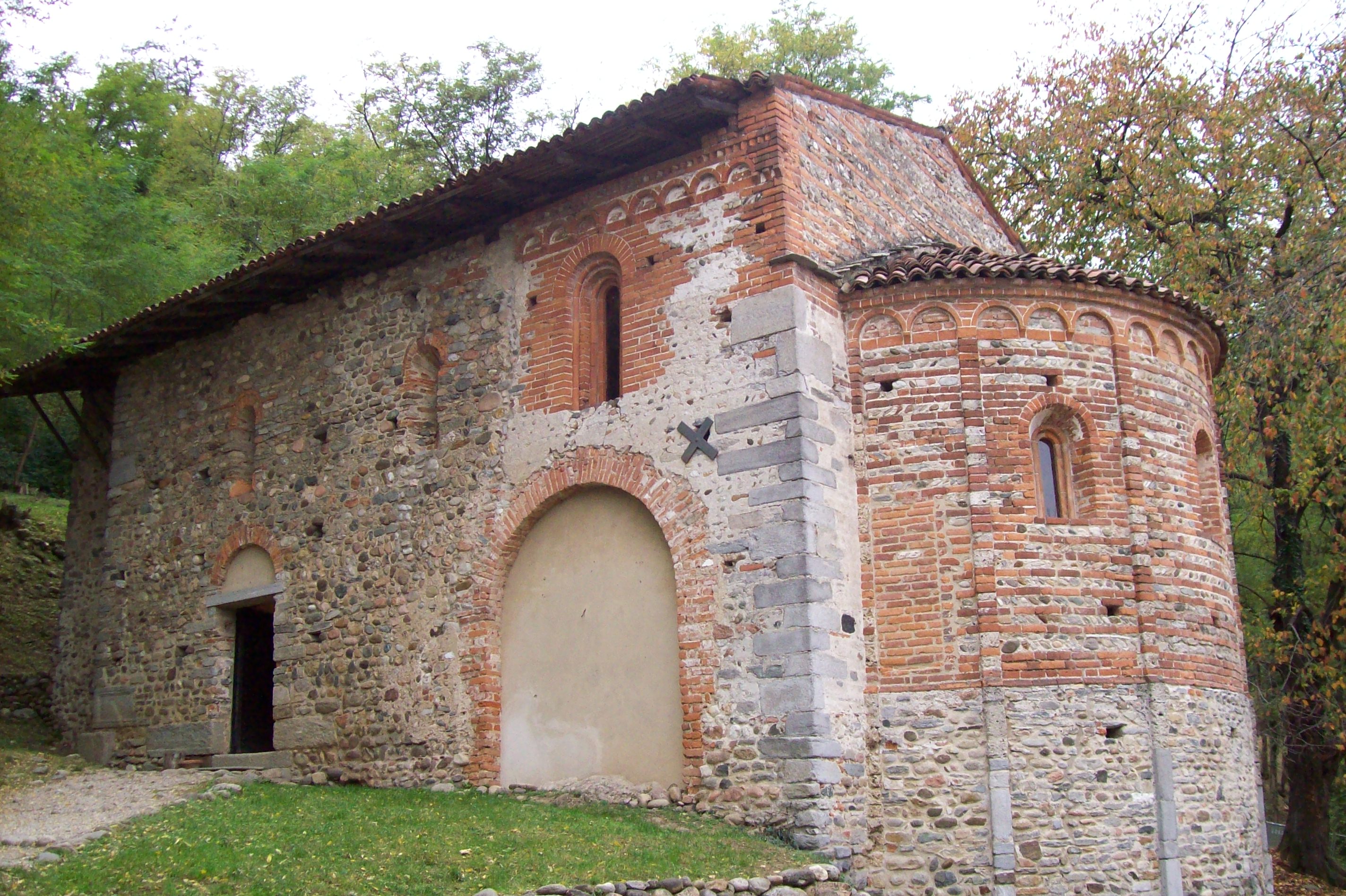
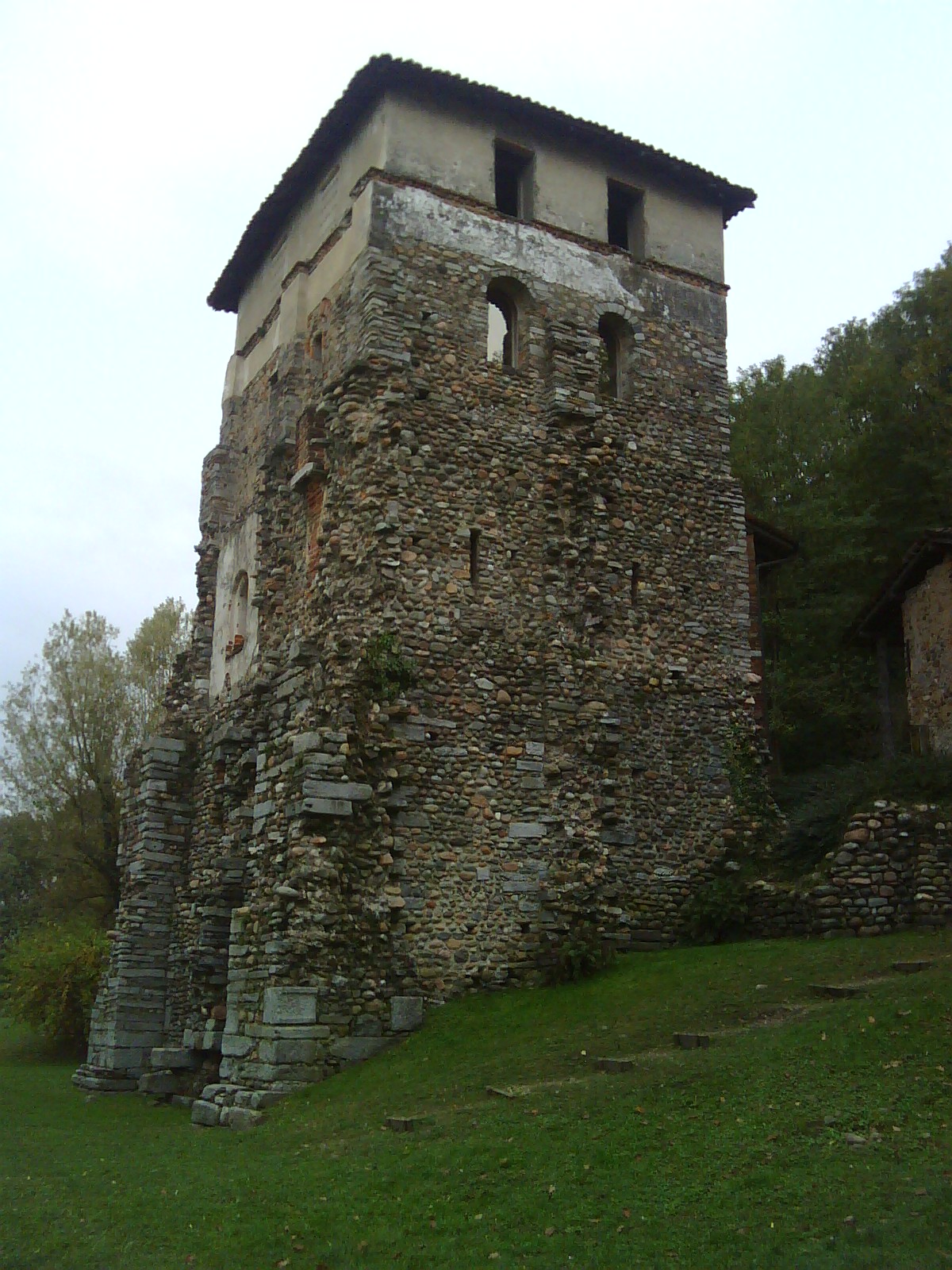
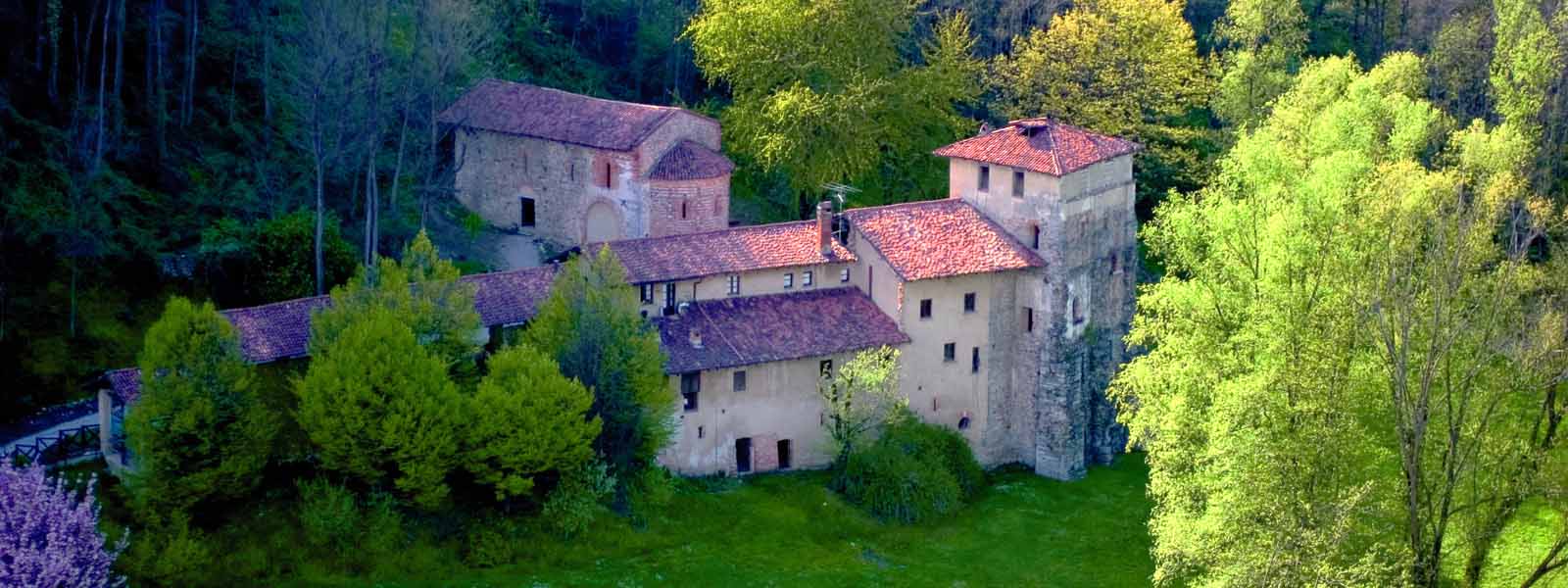
A military outpost during the late Roman Empire, erected for the purpose of controlling the passage along the Olona River of men and goods, it was later used as a defensive bastion by the Goths, who built a keep, about 18 meters high and constructed of gray stone, and defensive walls around the 5th-6th centuries. Later the building was occupied by the Lombards, who turned it into a trading station. It became a monastery around the 8th century and housed a group of Benedictine nuns, who added to the original building the rooms that housed the cells, refectory and prayer room, as well as a three-arched portico and the small church named after the Virgin. In 1453 the monastery was abandoned and, in more recent times, was reused as a rural farmstead. The entire building was thus repurposed for agricultural tasks: the portico was walled up, the entrance to the church enlarged and turned into a warehouse for wagons and tools, and all the frescoes were covered with new plaster. In 1976 it was purchased by Giulia Maria Mozzoni Crespi, who donated it to the Fondo Ambiente Italiano, which restored it
Monastery of Peat - Torba | Secret World Trip Planner
🗺 AI Trip Planner 2026

Plan your visit to Torba

Suggested itinerary near Monastery of Peat

MAJ+
500.000+ travelers worldwide
  1. 🌅
    Morning
    Monastery of Peat
    📍 Torba
  2. ☀️
    Afternoon
    Archaeological Park of Castel Seprio
    📍 0.6 km · Torba
  3. 🌆
    Evening
    The Basilica of San Vittore constitutes with the bell tower and the Baptistery
    📍 10.6 km · Torba

Buy Unique Travel Experiences

Powered by Viator

See more on Viator.com

Explore nearby · Torba

Frequently Asked Questions

The site began as a Roman military outpost controlling passage along the Olona River, was later fortified by the Goths with an 18-meter stone keep in the 5th-6th centuries, and became a Benedictine monastery around the 8th century. The Benedictine nuns added cells, a refectory, prayer room, a three-arched portico, and a church dedicated to the Virgin, before the monastery was abandoned in 1453.
The monastery was purchased in 1976 by Giulia Maria Mozzoni Crespi, who donated it to the Fondo Ambiente Italiano (Italian Environmental Fund), which undertook a comprehensive restoration of the complex. This restoration work reversed centuries of agricultural modifications, including uncovering original frescoes that had been covered in plaster.
The site features a distinctive 18-meter-high keep built of gray stone by the Goths, defensive walls, a three-arched portico added by the Benedictine nuns, and a small church dedicated to the Virgin Mary with preserved frescoes. The monastery's layout includes original nun cells, a refectory, and a prayer room, showcasing the evolution from military fortress to religious community.
After being abandoned as a monastery in 1453, the building was repurposed as a rural farmstead with extensive modifications for agricultural use, including walling up the portico and converting the church entrance into a warehouse for wagons and tools. These pragmatic changes covered original frescoes with new plaster until the 1976 restoration began recovering the site's historical integrity.
The Romans established it as a strategic military outpost, the Goths added the iconic gray stone keep and defensive fortifications, the Lombards developed it into a trading station, and the Benedictine nuns transformed it into a functioning monastery with religious and residential spaces. Each civilization left distinct architectural and functional marks that shaped the complex's unique multilayered history.
