
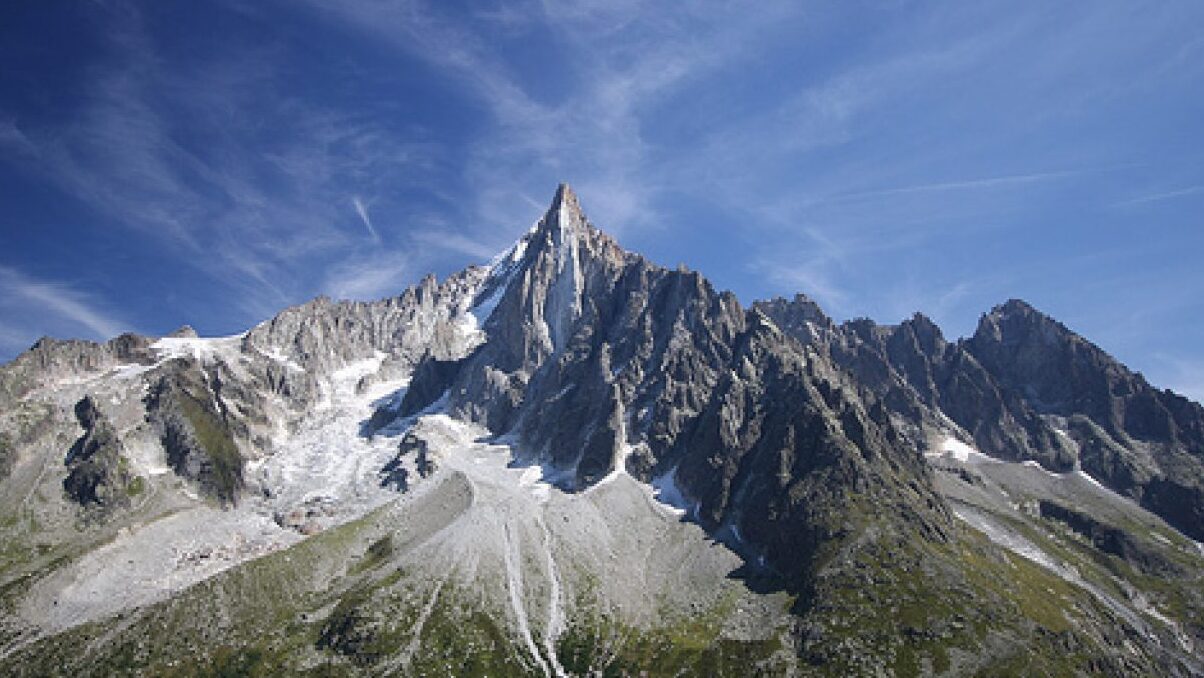

Rising majestically from the serene valleys of the Chamonix-Mont-Blanc region, the Aiguilles du Dru captivates with its rugged beauty and storied history. This dramatic granite formation, part of the renowned Mont Blanc mountain range, features two prominent peaks—Grand Dru at 3,755 meters and Petit Dru at 3,733 meters. Both summits, with their needle-like shapes, epitomize the raw, untamed spirit of the Alps.
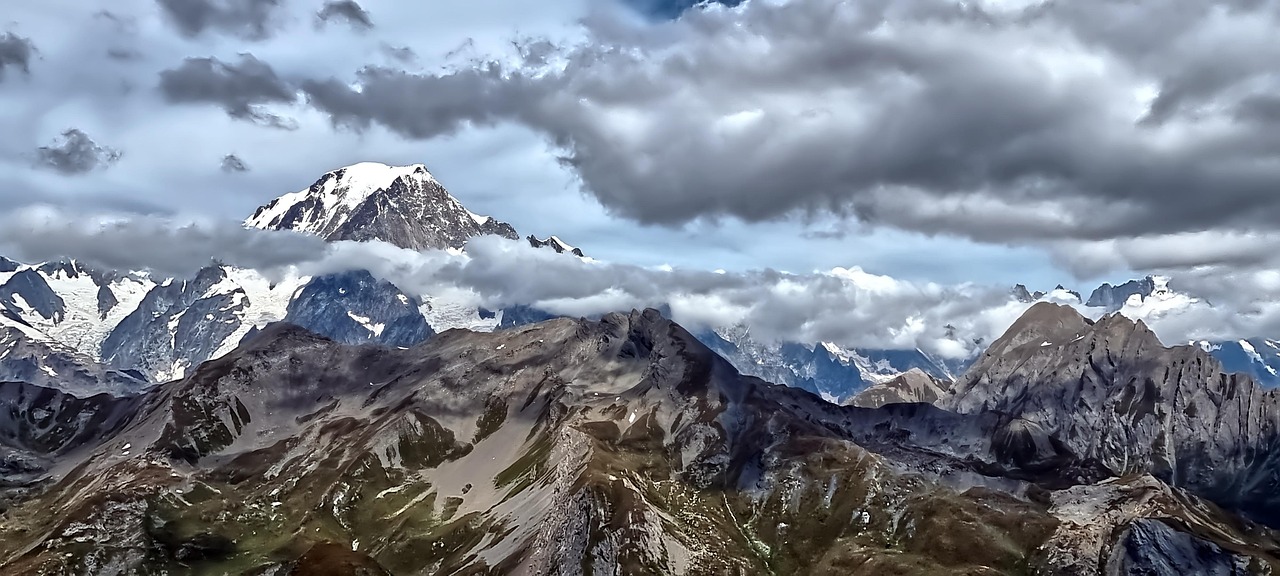
The Aiguilles du Dru has been a significant landmark for mountaineers since at least 1878, when climbers first tackled its formidable cliffs. The allure of the peaks is not just in their height but in their challenging ascents and breathtaking views. The first ascent of Grand Dru was achieved in 1878 by a team led by famed mountaineer Edward Whymper, renowned for his numerous expeditions across the Alps. In 1913, a group of climbers placed a metal statue of Our Lady of Lourdes at the summit, which still stands today, offering a poignant reminder of the human spirit's perseverance against nature's grandeur.
The Aiguilles du Dru is more than just a climber's paradise; it is a canvas of nature's artistry. The granite rock formations are characterized by their distinct grey rock fall scar, a result of erosion and climatic elements over millennia. The jagged peaks rise sharply against the sky, creating a dramatic silhouette that has inspired artists and photographers alike. The architectural style of the surrounding villages reflects traditional Alpine designs, with wooden chalets and stone homes that blend harmoniously into the landscape, echoing the ruggedness of the mountains.
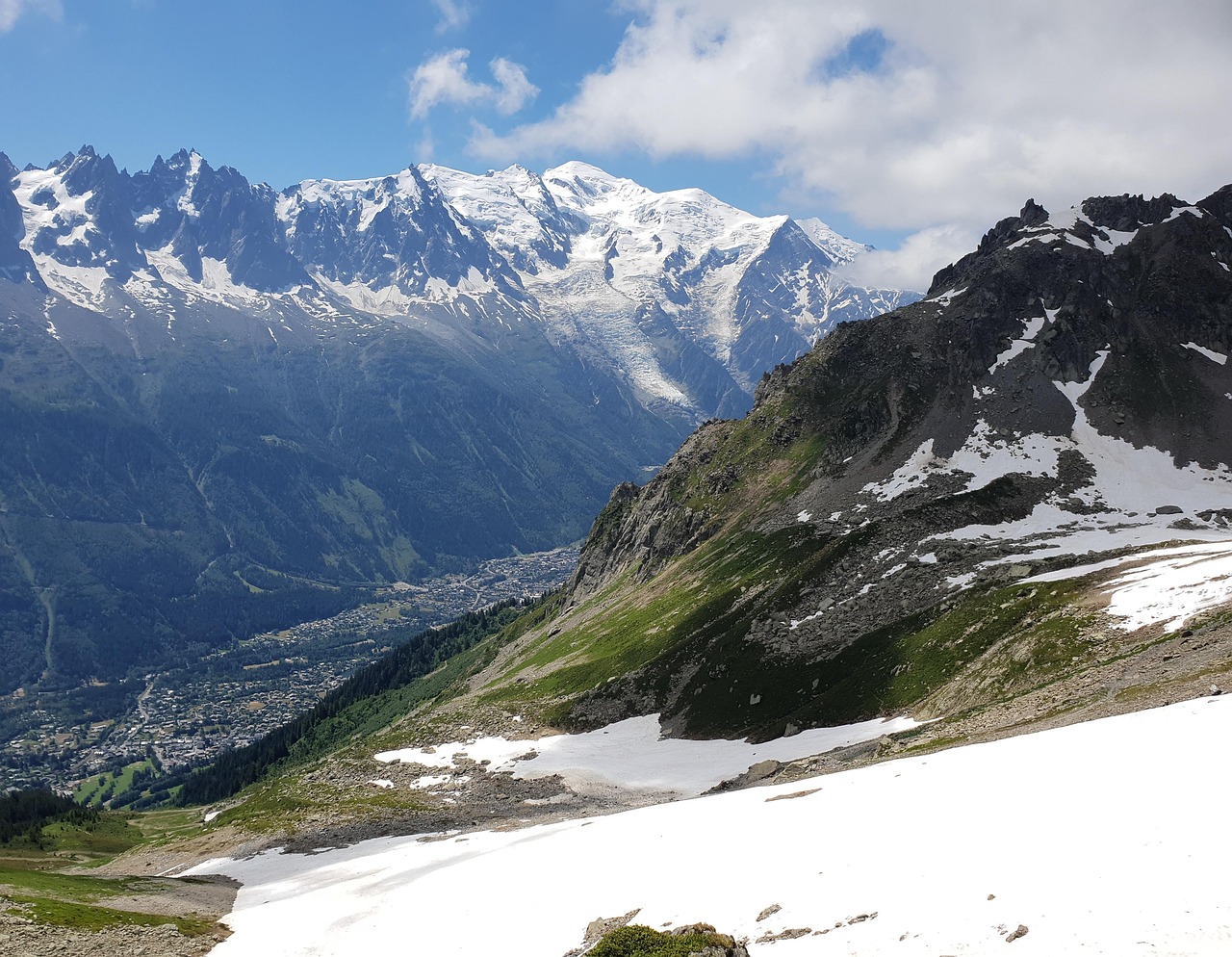
Local culture in the Chamonix area is steeped in traditions that celebrate both the natural environment and the Alpine way of life. One notable event is the Fête de la Saint-Bernard, held in mid-June, honoring the famous Saint Bernard dogs that once aided travelers across the treacherous Alpine passes. This vibrant festival is marked by processions, music, and demonstrations of skills that reflect the deep-rooted connection between the people and their mountain home.
Gastronomy in the region is equally compelling, with Savoyard cuisine taking center stage. The iconic dish, fondue savoyarde, made from a blend of local cheeses like Comté and Emmental, is a must-try for visitors. Pairing this with a glass of local Vin de Savoie offers a perfect culinary experience. For those with a sweet tooth, the tarte aux myrtilles (blueberry tart) is a delightful way to savor the local bounty, often made with berries picked from the surrounding hills.
Beneath the surface of the dramatic peaks lies a treasure trove of lesser-known curiosities. For instance, the Aiguilles du Dru was once considered sacred by local communities, who believed the mountain spirits protected them from harm. Additionally, hidden within the valleys are ancient ice caves that reveal fascinating geological formations, often overlooked by casual visitors. These caves serve as a reminder of the region's constantly evolving landscape, shaped by glacial movements over centuries.
The best time to visit the Aiguilles du Dru is during the summer months, from June to September, when the weather is milder and the trails are accessible. For those keen on climbing, early morning ascents are recommended to avoid afternoon storms. If hiking isn't on your agenda, the Aiguille du Midi cable car offers breathtaking views of the peaks and surrounding landscapes, providing a more leisurely way to appreciate the mountain's majesty.
As you explore this stunning alpine paradise, keep your camera ready and your spirit open to the wonders of nature. Whether you are scaling the rugged cliffs or simply gazing at the skyline from the charming streets of Chamonix, the Aiguilles du Dru promises an unforgettable experience.
To make the most of your visit to Chamonix-Mont-Blanc, consider using the Secret World app for a personalized AI itinerary.


