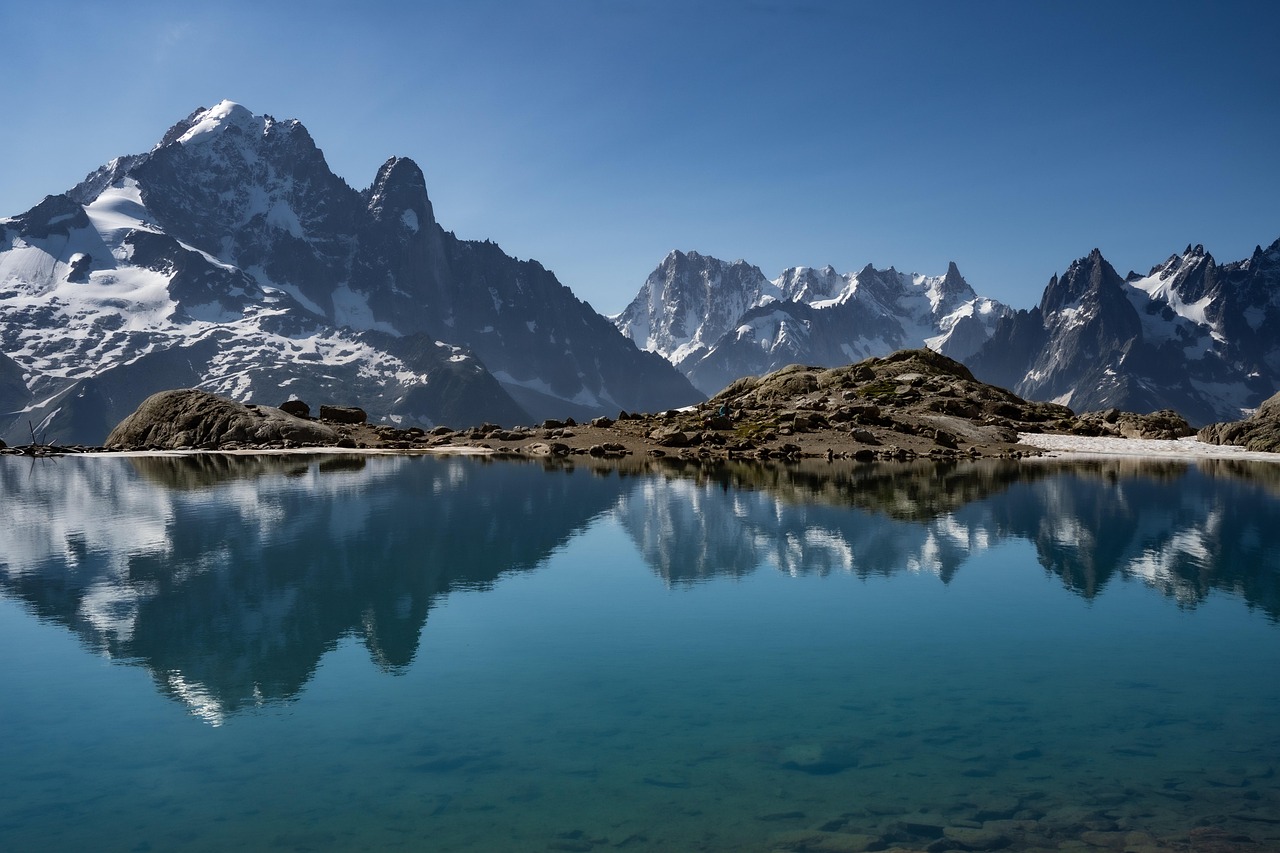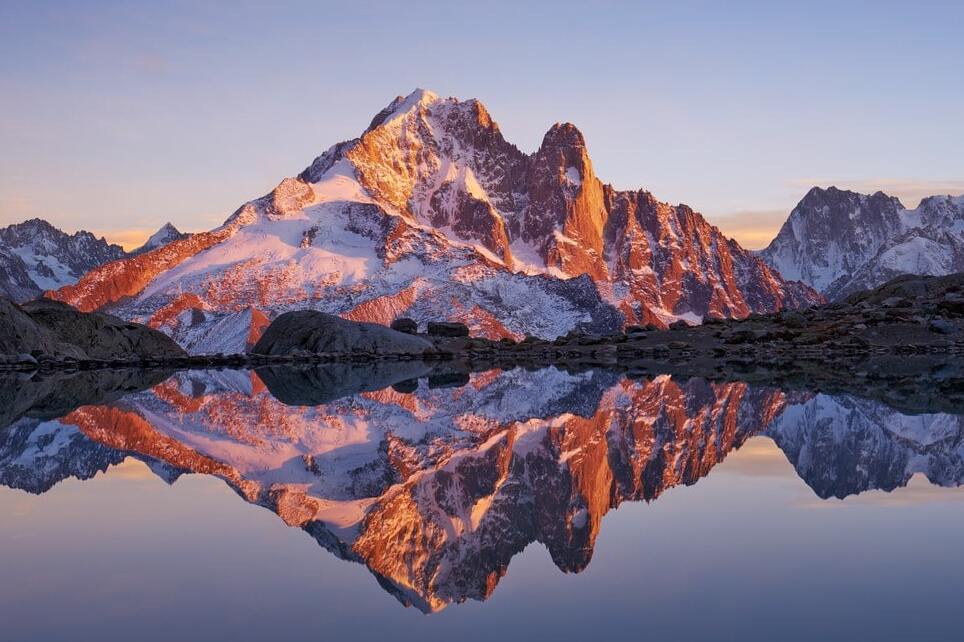

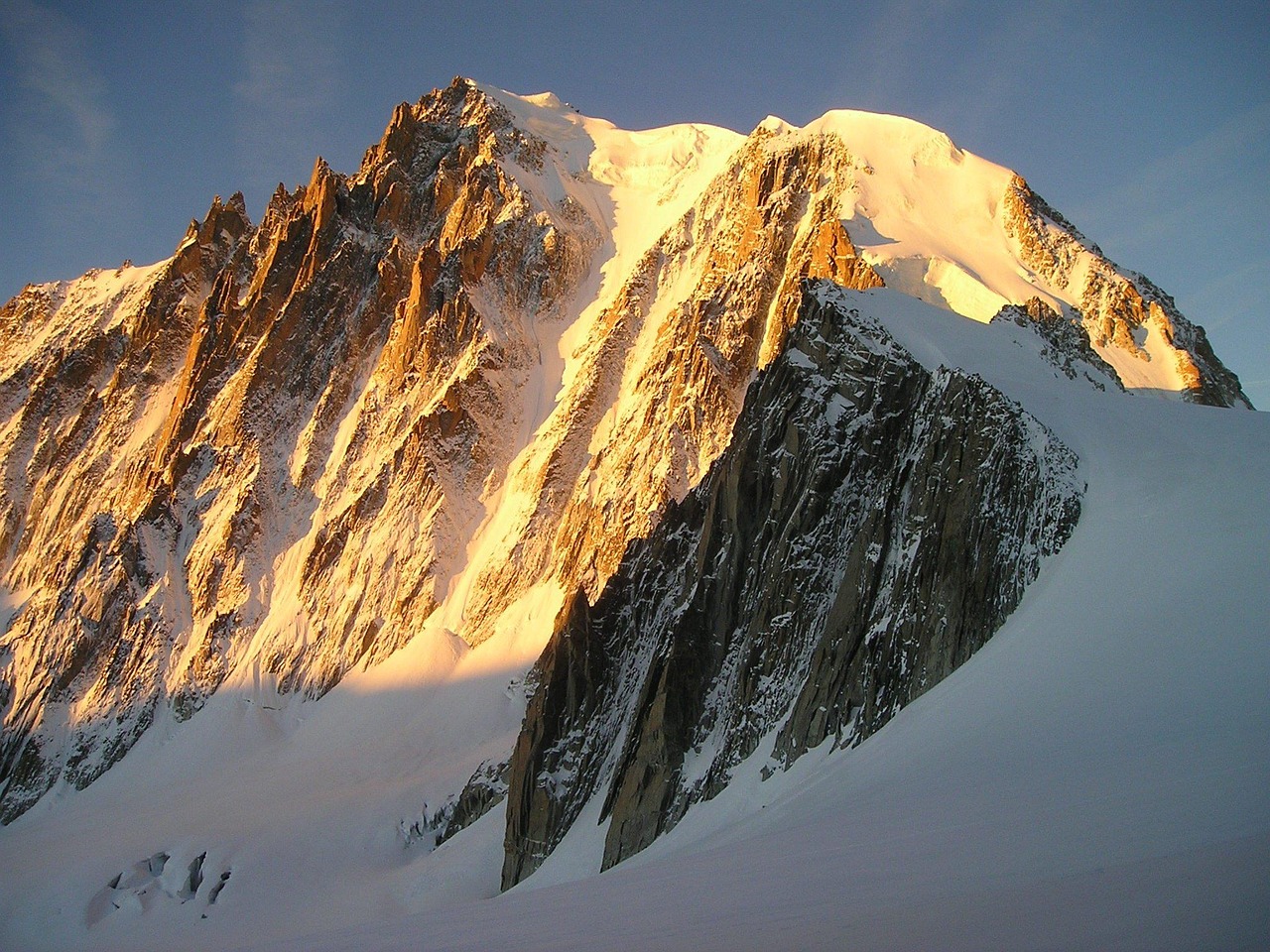
Nestled in the heart of the Alps, the Tour du Mont Blanc is not merely a trek; it’s a captivating journey through history, culture, and breathtaking natural beauty. This stunning route, which spans 170 kilometers, weaves through three countries—France, Italy, and Switzerland—and is celebrated as one of the world's top ten 'must-do' treks.
### History and Origins
The history of the Mont Blanc massif is as varied and rich as its landscapes. The region has been inhabited since prehistoric times, with evidence of human activity dating back thousands of years. The name "Mont Blanc," meaning "White Mountain," was first documented in 1744, though the mountain itself has always been a point of fascination for explorers and climbers.
The first successful ascent of Mont Blanc occurred in 1786, led by Jacques Balmat and Michel Paccard. This event marked the beginning of mountaineering as a sport and drew adventurers from all over the world to the region. The establishment of the Chamonix Valley as a resort in the 19th century further solidified its reputation, making it a hub for climbers and trekkers alike. Today, the Tour du Mont Blanc encapsulates this legacy, inviting travelers to walk in the footsteps of pioneering explorers.
### Art and Architecture
The architectural landscape surrounding the Tour du Mont Blanc is a blend of rustic charm and alpine functionality. Traditional chalets dot the trail, constructed from local timber and stone, embodying the region’s harmony with nature. Many of these structures have been preserved or restored, highlighting the historical significance of the area.
Artistic expression thrives here as well, often influenced by the stunning surroundings. Local artists capture the majesty of Mont Blanc and its valleys through painting and photography. The Chamonix valley has also been a muse for various writers and poets, with the beauty of the landscape inspiring countless works.
### Local Culture and Traditions
Local customs in the Mont Blanc region are deeply rooted in the traditions of the Savoyard people. The annual Fête de la Saint-Bernard, celebrated in September, honors the region's patron saint and showcases local music, dance, and cuisine.
Moreover, the Alpage tradition, where herders take their livestock to high mountain pastures during the summer months, is still observed. This practice not only preserves local customs but also contributes to the vibrant agricultural landscape you’ll see along the trek.
### Gastronomy
The culinary delights of the Mont Blanc region are an essential part of the trekking experience. Savoyard cuisine is characterized by heartiness, perfect for refueling after a long day of hiking. Dishes such as fondue (melted cheese served with bread), raclette (melted cheese served over potatoes), and tartiflette (a creamy potato dish with bacon and cheese) are local favorites that warm the soul.
Don’t miss trying the blueberry tart, a sweet treat that pays homage to the wild berries found in the region. Pair your meals with a glass of local white wine or a refreshing Genepi, an herbal liqueur made from alpine flowers.
### Lesser-Known Curiosities
While the stunning vistas and challenging trails are well-known, there are hidden gems along the Tour du Mont Blanc that many trekkers overlook. For instance, the Buvette de Bonhomme, a quaint mountain hut, serves not just meals but also offers insights into the local flora and fauna.
Another intriguing fact is that the trail is not just a physical journey but also a spiritual one for many. The Cathédrale de Chamonix, located in the town of Chamonix, is known for its stunning stained glass windows and serves as a place of reflection for visitors.
### Practical Visitor Information
To fully enjoy the Tour du Mont Blanc, the best time to visit is from late June to early September when the weather is milder and the trails are accessible. The trek is generally completed in ten days, though there are options for shorter itineraries or guided tours for those who prefer a structured experience.
Be sure to pack essentials such as sturdy hiking boots, weather-appropriate clothing, and a water purification system, as some stretches of the trail have limited access to clean water. Also, keep an eye out for signposts and trail markers, which guide you through the diverse terrains—from lush valleys to rocky paths.
As you embark on this unforgettable trek, immerse yourself in the stunning landscapes, rich history, and vibrant culture of the Mont Blanc region.
For a personalized journey tailored to your interests, consider using the Secret World app to plan your adventure in Chamonix-Mont-Blanc.