
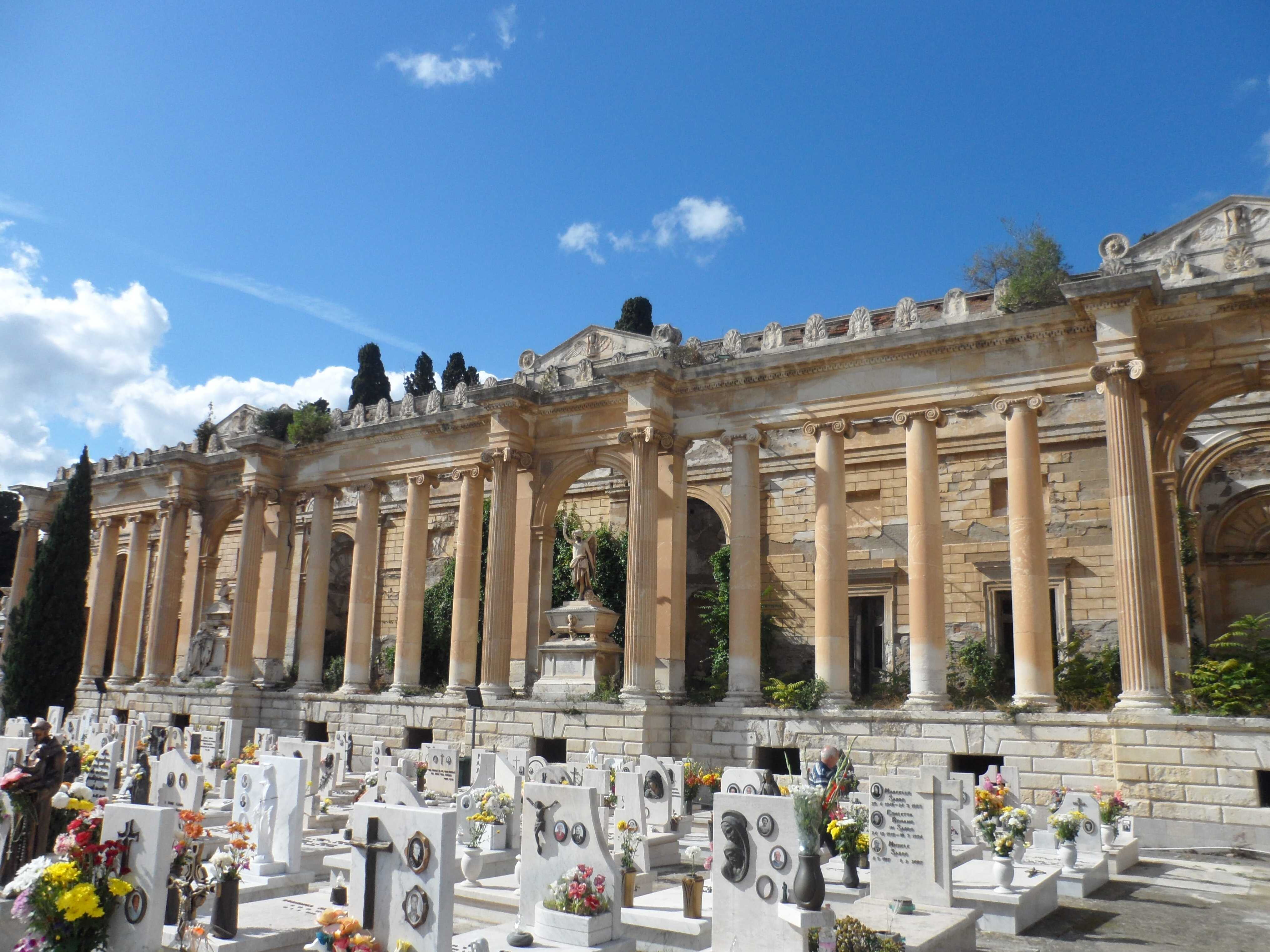

Nestled amidst the serene hills of Messina, the Cimitero Monumentale di Messina, often referred to as the Gran Cemetery, stands as a poignant testament to the city's resilience and artistic spirit. Established in 1872, it serves not only as a resting place but also as a profound reflection of the city's tumultuous past, particularly during the cholera epidemic that swept through Sicily in the mid-19th century.
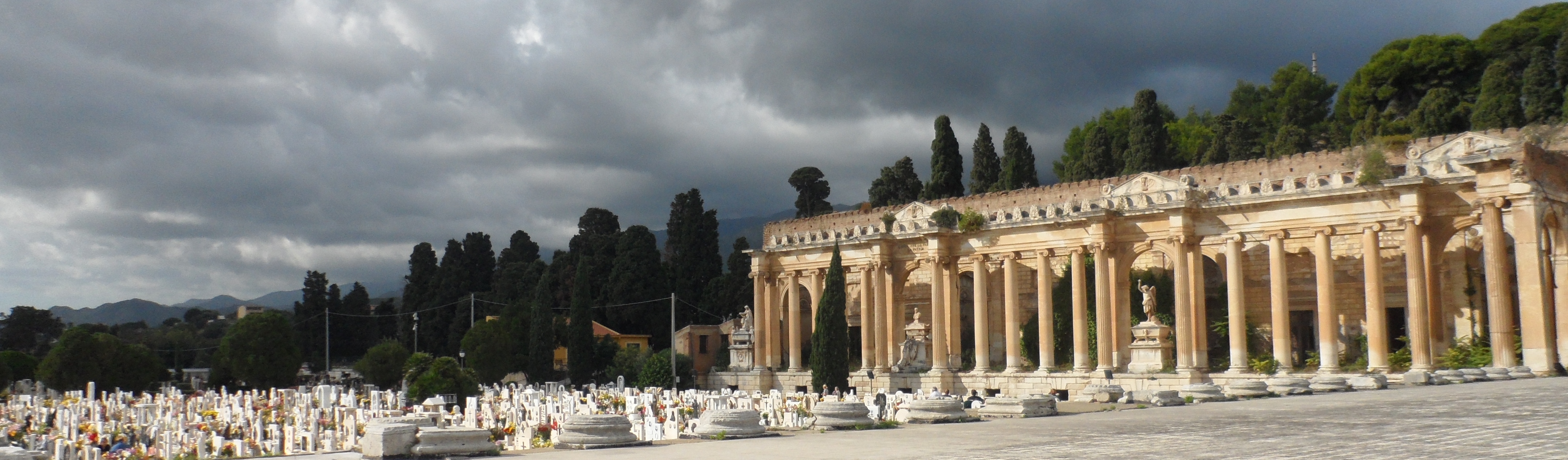
The cemetery's origins trace back to the urgent need for burial space during the devastating cholera outbreak in 1867, which claimed thousands of lives. The initial design was a response to the overwhelming demand for graves, and it soon blossomed into a place of art and architecture following the 1908 earthquake, which reshaped much of Messina. In its aftermath, the cemetery was remodeled, giving rise to an architectural marvel that combines Art Nouveau aesthetics with classical elements.
Walking through the Cimitero Monumentale, visitors are greeted by wide, tree-lined avenues that invite contemplation. The expansive gardens, adorned with meticulously maintained flowerbeds, further enhance its beauty, creating a tranquil atmosphere that encourages reflection. A highlight of the cemetery is the famed famedio, a grand hall with a Doric-style colonnade that honors notable figures of Messina's past. This area serves as a mausoleum for distinguished citizens, including Giuseppe and Silvestro La Farina, who played pivotal roles in 19th-century politics and cultural development in the region.
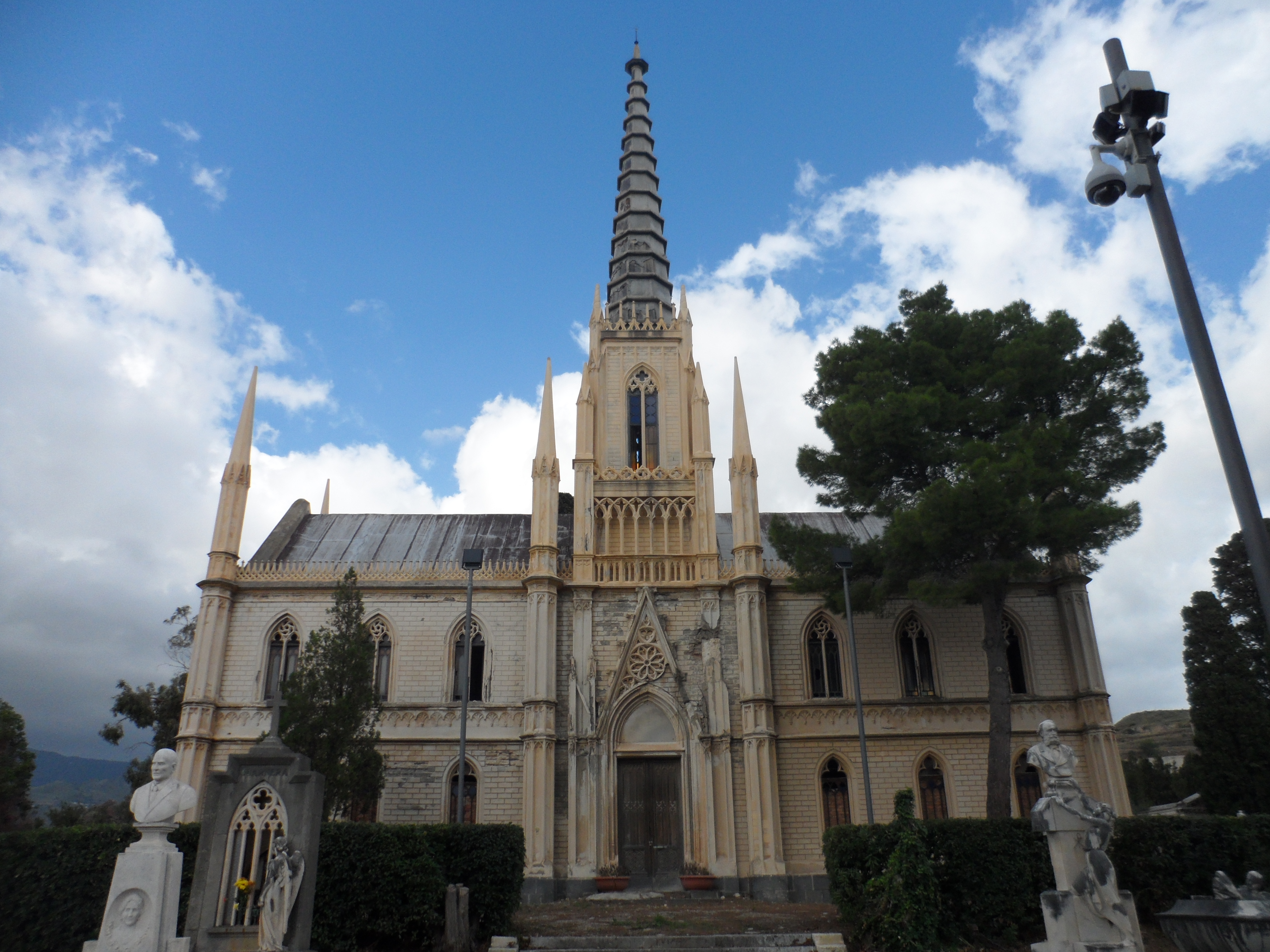
The architecture of the cemetery is not merely functional; it is a canvas that tells stories through its monuments. Each tomb and sculpture reflects the artistry of its time, showcasing intricate carvings and symbolic designs that celebrate life, death, and the divine. The Art Nouveau influence is particularly notable in the ornate details that adorn many of the tombs, blending natural forms with elegant lines. The cemetery is often compared to Père Lachaise in Paris, underscoring its significance as an artistic masterpiece.
Local culture and traditions are deeply intertwined with the cemetery. It serves as a place for remembrance and reflection, where families gather to honor their loved ones on special occasions, particularly during the Feast of the Dead. This tradition is marked by the decoration of graves with flowers and candles, creating a vibrant tapestry of colors and scents that permeate the air. Such customs highlight the Sicilian reverence for ancestors and the belief in an enduring connection between the living and the deceased.
In addition to its cultural significance, the cemetery is situated in a region renowned for its gastronomic delights. Visitors can indulge in local specialties such as arancini, fried rice balls stuffed with a variety of fillings, and cannoli, sweet pastries filled with ricotta cheese. Pairing these treats with a glass of Nero d'Avola, a rich red wine from nearby vineyards, offers a taste of Sicilian heritage. The culinary landscape around Messina is vibrant, with many eateries and trattorias serving traditional dishes that reflect the island's agricultural bounty.
As you wander through the cemetery, you may stumble upon lesser-known curiosities that add depth to your visit. For instance, the tomb of Giovanni Rappazzo, who patented synchronized sound cinema in the 1920s, stands as a reminder of Messina's contributions to the global cultural landscape. Additionally, the cemetery is home to various unique sculptures and crypts that tell stories of love, loss, and artistic expression, often overlooked by casual visitors.
For those planning a visit, the best time to explore the Cimitero Monumentale di Messina is during the spring or autumn months when the weather is mild, and the gardens are in full bloom. Arriving early in the morning or late in the afternoon allows for a peaceful experience, with fewer crowds and the soft glow of the sun illuminating the intricate details of the architecture. Be sure to take your time, allowing the rich history and artistry to unfold as you stroll through this monumental site.
Equipped with a camera, a notebook, or simply your thoughts, you’ll find that the cemetery offers endless opportunities for contemplation and discovery. Look for the various artistic styles and symbols that adorn the graves, as each one contributes to the narrative of Messina’s past.
In planning your journey, consider using the Secret World app for a personalized itinerary to enhance your visit to the Cimitero Monumentale di Messina.


