
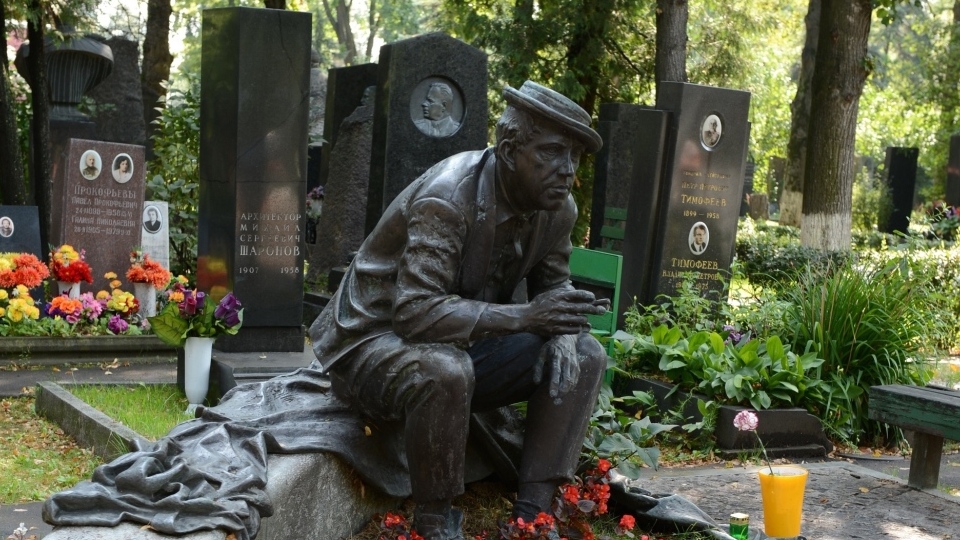

Nestled in the heart of Moscow, Novodevichy Cemetery is more than just a resting place for the dead; it is a silent witness to the city’s tumultuous history and a repository of its cultural treasures. With its serene pathways and ornate tombstones, this cemetery is a reflection of the artistic spirit and historical significance that Russia, and particularly Moscow, embodies.
History and Origins
Founded in 1898, Novodevichy Cemetery serves as the final resting place for some of Russia's most illustrious figures. It is adjacent to the Novodevichy Convent, a UNESCO World Heritage site established in 1524, which adds to the cemetery's historical gravitas. Historically, the convent was a place for noblewomen and princesses, many of whom were buried within the cemetery’s walls. Over the decades, it has become the chosen burial ground for luminaries such as writers, artists, and politicians, reflecting the evolution of Russian society.
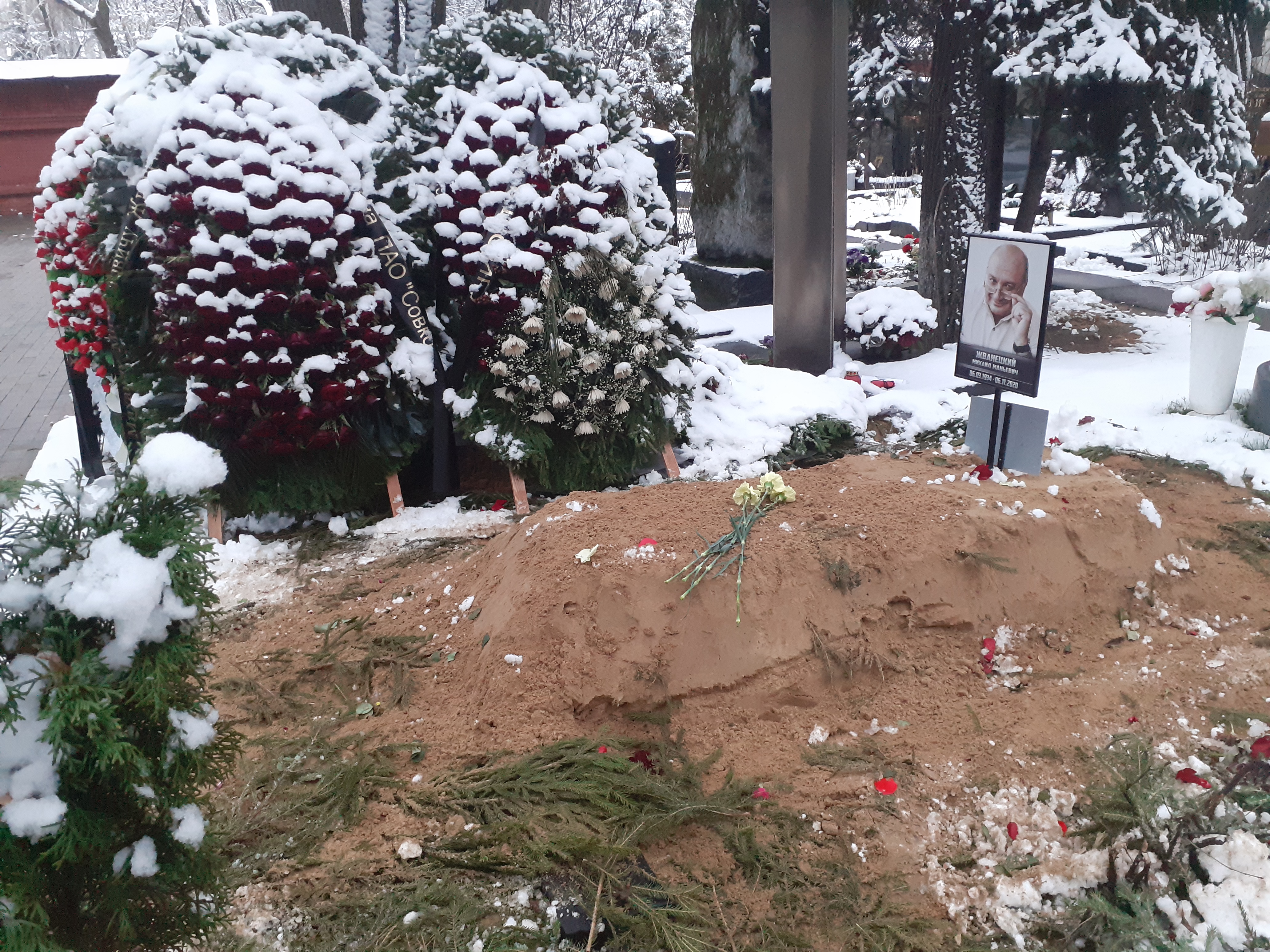
Among its notable burials is Anton Chekhov (1904), one of the greatest playwrights in history, and Sergei Eisenstein (1948), the revolutionary filmmaker whose works changed cinematic storytelling. The cemetery also serves as a poignant reminder of the impact of the Soviet era, with many figures from that period interred here, including Nikita Khrushchev and Mikhail Sholokhov.
Art and Architecture
The cemetery is not merely a place of graves; it is a canvas of artistic expression. Its architectural style ranges from elaborate neoclassical tombs to modernist monuments, each telling a story of the person buried beneath. The tomb of Dmitri Shostakovich, for example, is adorned with a simple stone engraved with musical notes, symbolizing his legacy as one of Russia's most celebrated composers.
The aesthetic appeal of Novodevichy Cemetery is further enhanced by its lush greenery, with willow trees weeping over the graves and seasonal flowers bringing bursts of color. The Mausoleum of the Novodevichy Convent adds a historic architectural touch, showcasing ornate brickwork and intricate frescoes, which are a testament to the artistic traditions of the period.
Local Culture and Traditions
Visiting Novodevichy Cemetery offers a unique glimpse into Russian culture, where death is not shunned but celebrated as part of life's continuum. Each grave holds a story, and locals often visit to pay their respects, leaving flowers or small tokens to honor the deceased. This practice reflects the deep respect Russians have for their cultural icons and their histories.
Cultural events often take place in and around the cemetery, especially during the Day of Remembrance in early November, when people gather to celebrate the lives of those who have passed. The atmosphere is filled with music, poetry readings, and often, discussions about the legacies left behind by the greats interred here.
Gastronomy
Though the cemetery itself does not boast any culinary offerings, the nearby areas are rich in traditional Russian cuisine. After a reflective stroll through the cemetery, visitors can indulge in classic Russian dishes at local eateries. Sample borscht, a beetroot soup that is a staple of Russian cuisine, or pelmeni, dumplings filled with meat or vegetables. Pair these with a glass of kvass, a fermented beverage made from rye bread, to truly immerse yourself in local flavors.
For a sweet treat, don’t miss out on pyrizhki, small pastries filled with various fillings ranging from cabbage to sweet fruit, often found at nearby cafes, making for a delightful snack after your visit.
Lesser-Known Curiosities
Despite its fame, Novodevichy Cemetery holds many hidden gems that often escape the attention of tourists. One such curiosity is the grave of the famed Russian singer and actor, Vladimir Vysotsky. His grave is unique, featuring a large stone with a sculpted bust and numerous mementos left by fans, including guitar picks and notes, reflecting his enduring legacy.
Additionally, the cemetery is home to a cat sanctuary, where local felines roam freely. These cats, cared for by volunteers, add a whimsical touch to the somber setting, embodying the notion that life continues amidst death.
Practical Visitor Information
The best time to visit Novodevichy Cemetery is during the spring and fall when the foliage transforms the cemetery into a vibrant landscape. Opening hours are generally from 9 AM to 7 PM, but it is advisable to check for any seasonal changes.
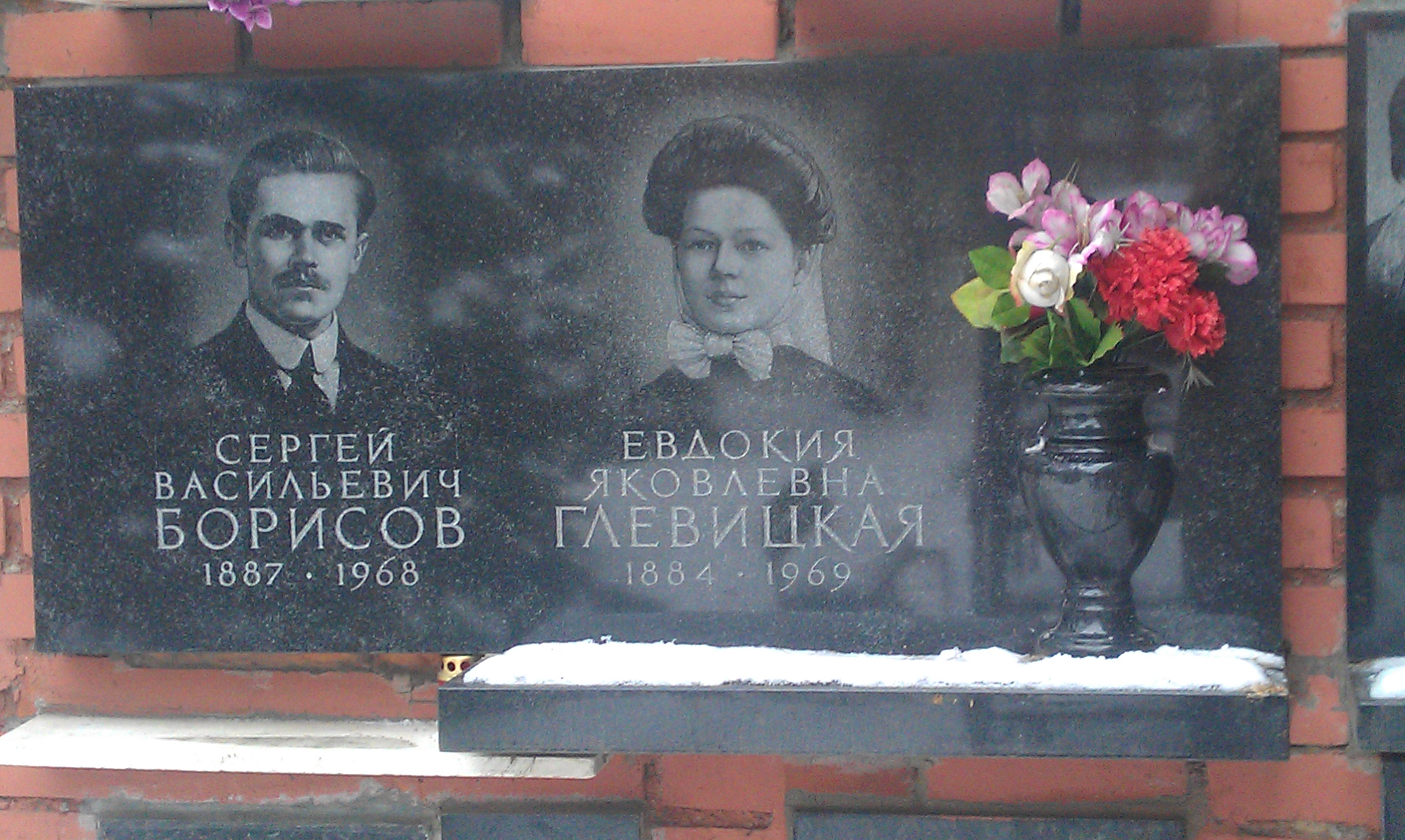
As you explore the winding paths, take time to read the inscriptions on the gravestones, which often reveal fascinating stories about the individuals and their contributions to Russian culture. Don’t forget your camera; the picturesque views of the graves against the backdrop of the convent are truly Instagram-worthy.
When planning your visit, consider bringing a guidebook or using a local app for insights into the historical significance of each grave.
For a personalized experience that captures the essence of Moscow, including Novodevichy Cemetery, consider using the Secret World app to create your ideal itinerary.


