
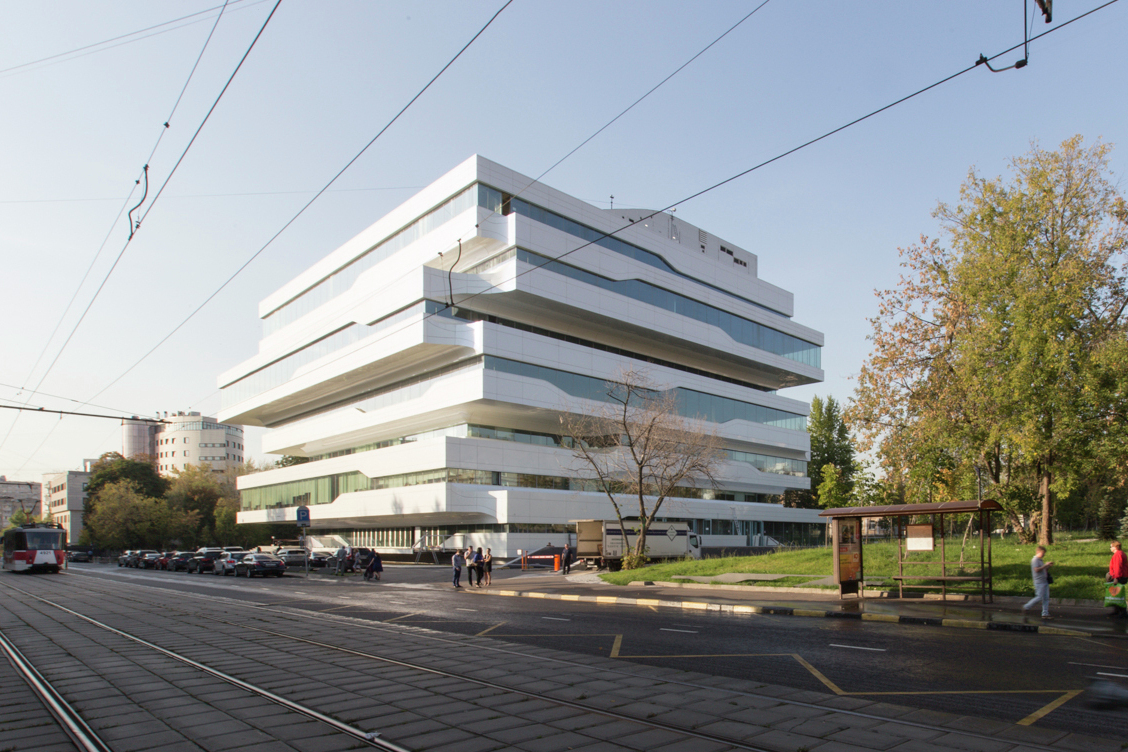

In the heart of south-eastern Moscow, the Dominion Tower stands as a testament to the visionary genius of Zaha Hadid, a luminary in the field of architecture. This striking building, completed in 2015, marks Hadid's second architectural contribution to Russia, following her design for a luxurious private residence for businessman Vladislav Doronin in 2012. The Dominion Tower is not just a building; it is a symbol of modern innovation nestled within a city rich in history and tradition.
Moscow, a city with roots tracing back to 1147, has long been a crossroads of culture and power. The area around the Dominion Tower, like much of Moscow, is steeped in a complex history that saw the rise and fall of empires. The city's architectural landscape reveals layers of stories from the Byzantine influences of the early Russian state to the Soviet-era monoliths. In this tapestry, the Dominion Tower emerges as a beacon of contemporary design, contrasting yet complementing its historical surroundings.
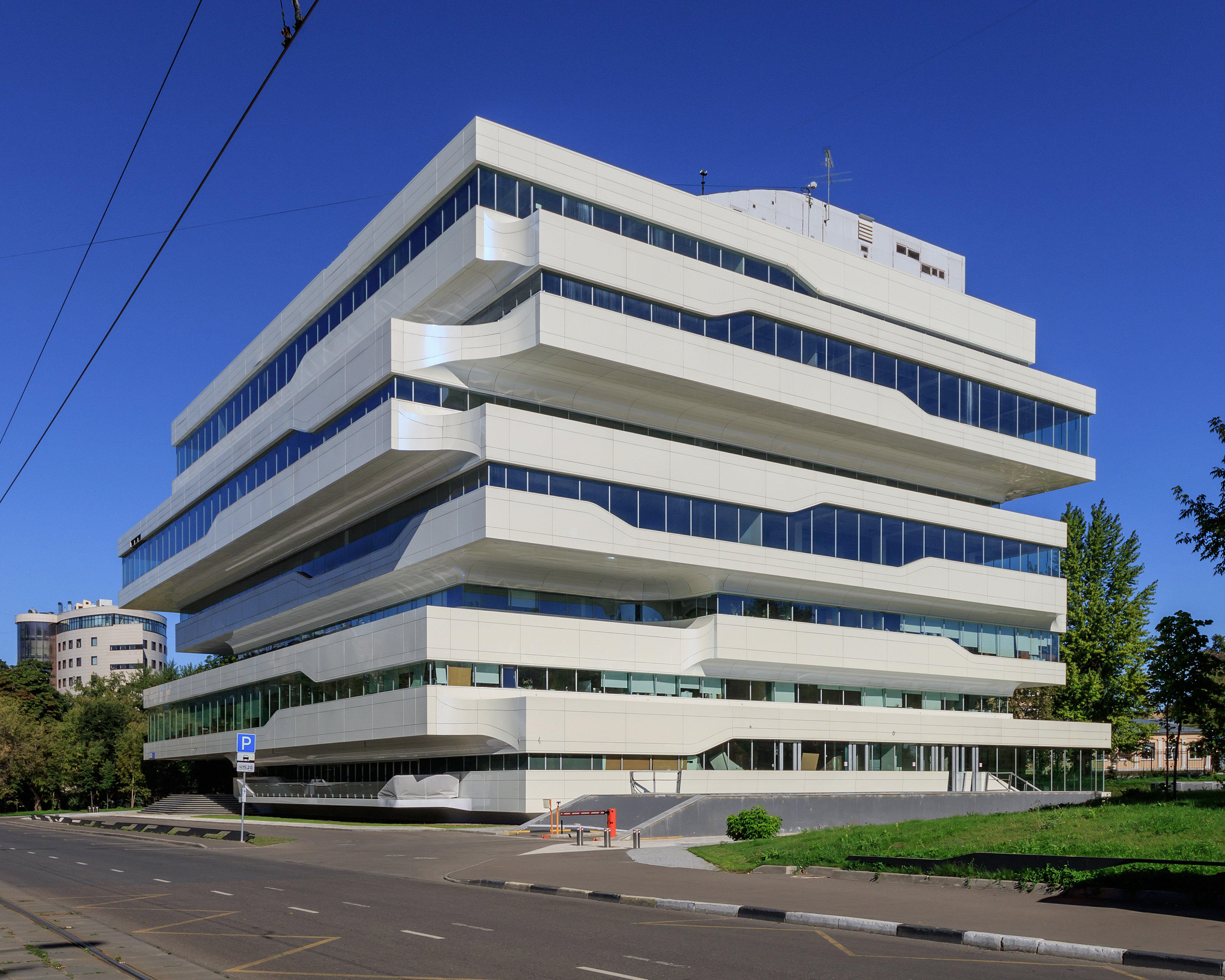
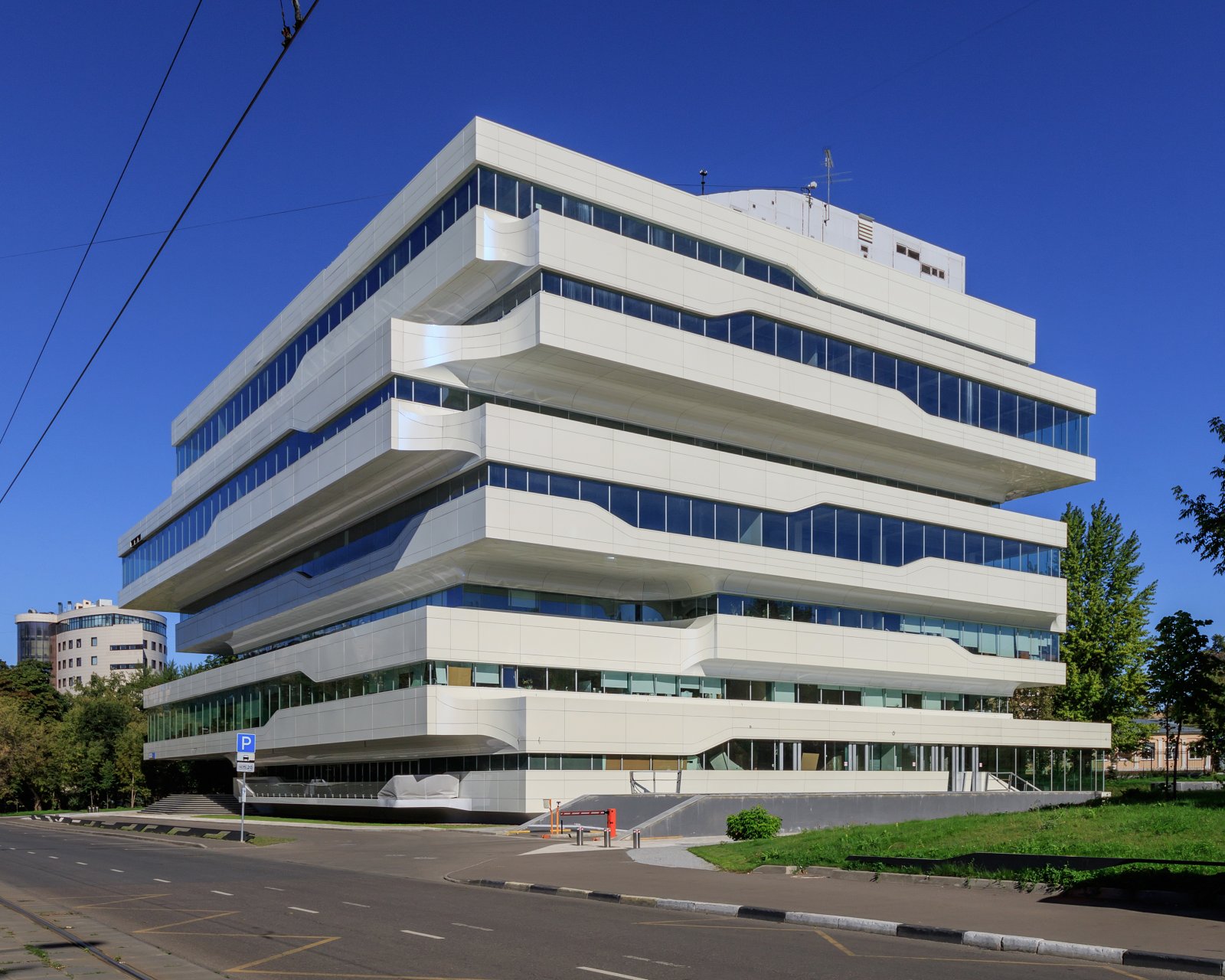
Zaha Hadid's work on the Dominion Tower is an exploration of fluidity in architecture. The building's design reflects Hadid's hallmark style of curvilinear forms and dynamic geometries, which challenge the conventional notions of space and structure. The Tower's façade is characterized by undulating lines and interlocking spaces, creating a sense of movement even in stillness. Inside, the open-plan floors and interconnected spaces encourage innovation and creativity—ideal for the building's purpose as a business center.
Cultural traditions in Moscow are as diverse as its architecture. The city is a vibrant hub where centuries-old customs blend with modern practices. Muscovites celebrate a variety of festivals throughout the year, from the solemnity of Orthodox Easter to the joyful exuberance of Maslenitsa, a week-long festival marking the end of winter. Visitors to the Dominion Tower can experience this cultural richness firsthand, especially if they time their visit to coincide with these local festivities.
The culinary landscape near the Dominion Tower offers a taste of Moscow’s diverse gastronomy. Traditional Russian dishes like borscht, a beet soup often served with sour cream, and pelmeni, dumplings filled with meat, are staples. For those seeking a modern twist, the area boasts several contemporary eateries that fuse Russian ingredients with international flavors. A visit to a nearby café for a cup of Russian tea, often served with a dollop of homemade jam, provides a simple yet authentic taste of the local culture.
Beyond its architectural marvels, the Dominion Tower holds lesser-known curiosities that intrigue visitors. For instance, the building's design incorporates advanced environmental technologies, aligning it with sustainable development goals—an aspect that reflects Zaha Hadid's forward-thinking approach. Furthermore, the Tower's location facilitates easy access to Moscow's lesser-known cultural gems, such as the quaint streets of Tagansky District or the artistic enclave of Winzavod, a contemporary art center just a short distance away.
For those planning a visit to the Dominion Tower, the best time to explore Moscow is during the late spring or early autumn when the weather is mild and the city's parks and gardens are in full bloom. Visitors should take time to study the building's intricate details, particularly the interplay of light and shadow across its façade, which varies dramatically with the changing daylight. A guided tour can provide deeper insights into Hadid's design philosophy and the building's role in Moscow's architectural narrative.
In essence, the Dominion Tower is more than an architectural achievement; it is a dialogue between past and present, a meeting point for tradition and innovation. It stands proudly in Moscow, inviting both locals and travelers to explore its spaces and contemplate the endless possibilities of architectural design.


