
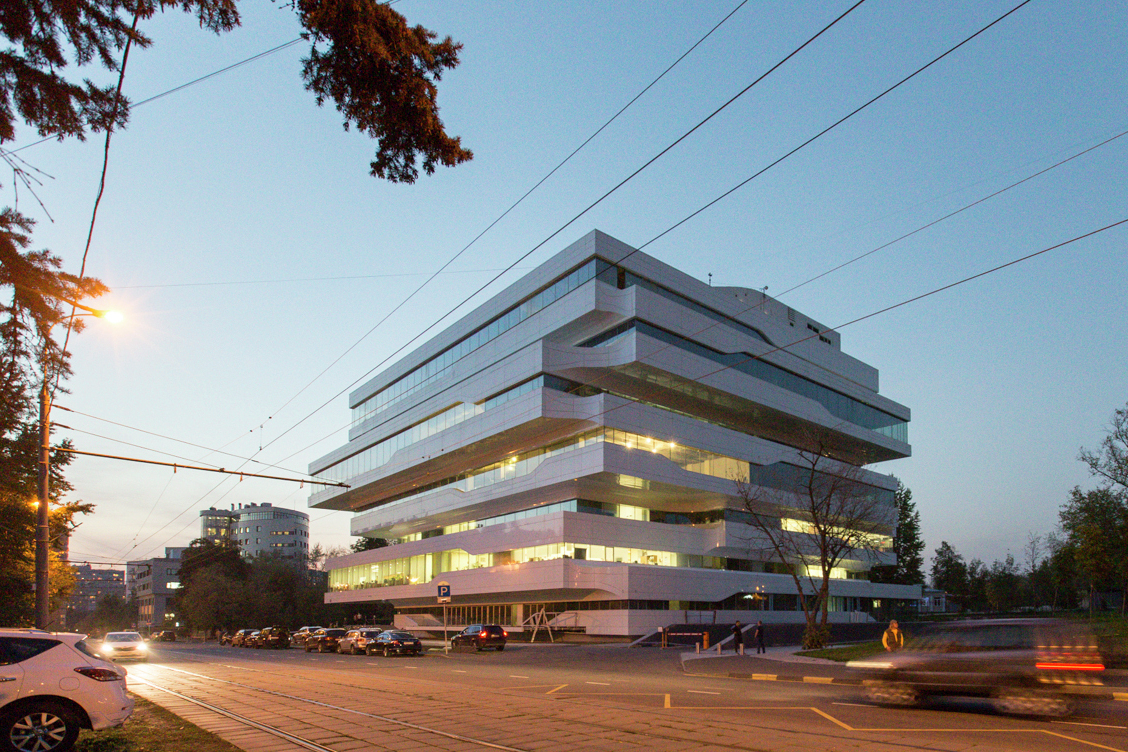

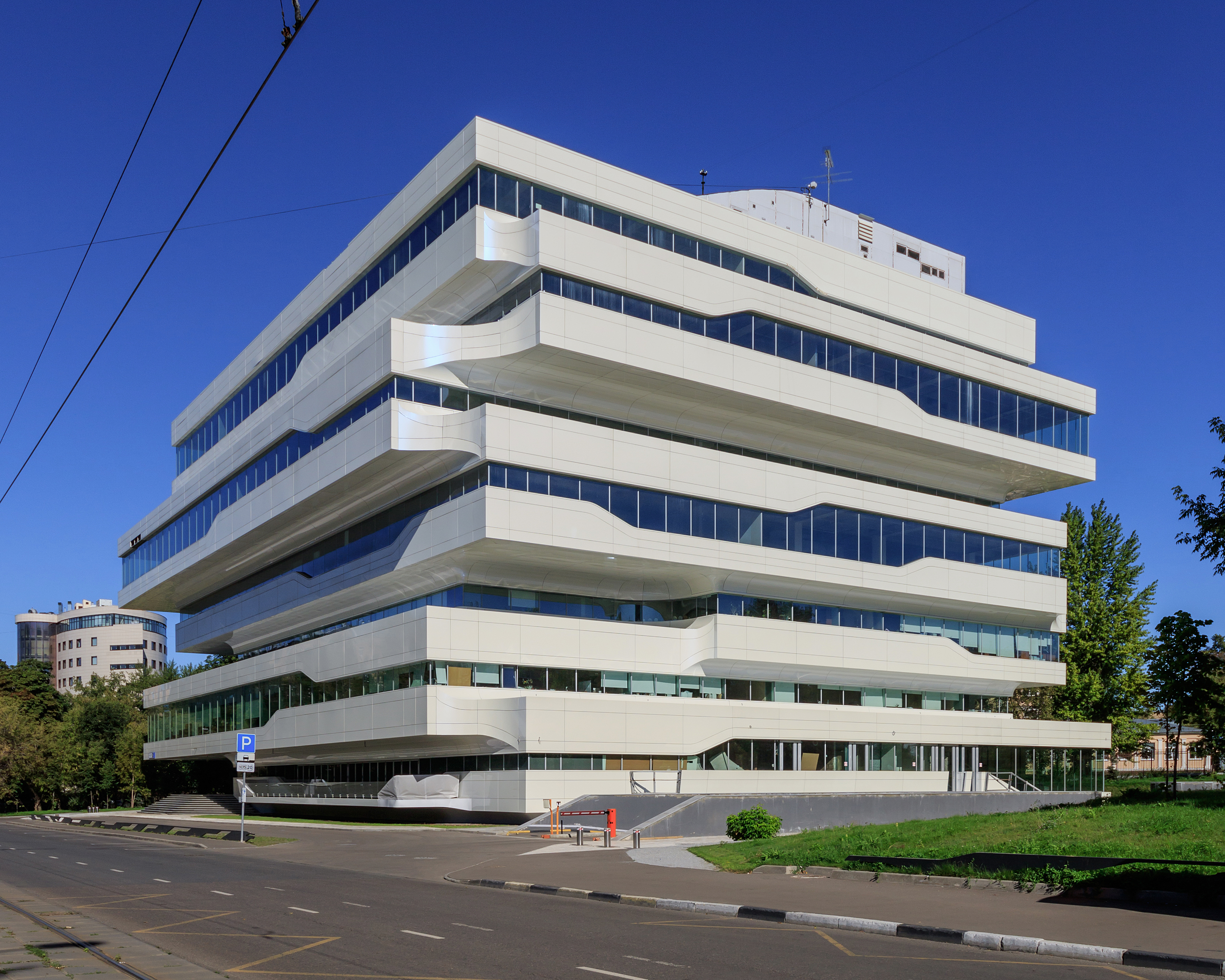
In the heart of Moscow, the Dominion Office Building, often referred to as Dominion Tower, stands as a testament to the innovative spirit of contemporary architecture. Designed by the late Zaha Hadid, a luminary in the world of design, this structure reflects the dynamic transformation of a city steeped in history but surging into the future.
History and Origins Dating back to the 12th century, Moscow has long been a pivotal center of culture, politics, and economics in Russia. Its evolution from a modest settlement on the banks of the Moskva River to a sprawling metropolis is marked by significant historical events, including the establishment of the Grand Duchy of Moscow, the rise of the Tsardom, and the tumultuous years during the Soviet era. In recent decades, particularly after the fall of the Soviet Union in 1991, Moscow has witnessed an architectural renaissance, embracing modernity while still respecting its rich heritage.
The Dominion Office Building, completed in 2017, is situated in the Sharikopodshipnikovskaya Street, in an area originally characterized by industrial landscapes and residential blocks. It was one of the first projects aimed at fostering the burgeoning IT and creative sectors in this part of the city. The building's design mirrors the ambition of these emerging industries, encapsulating a vision of collaboration and innovation that resonates throughout Moscow's evolving narrative.
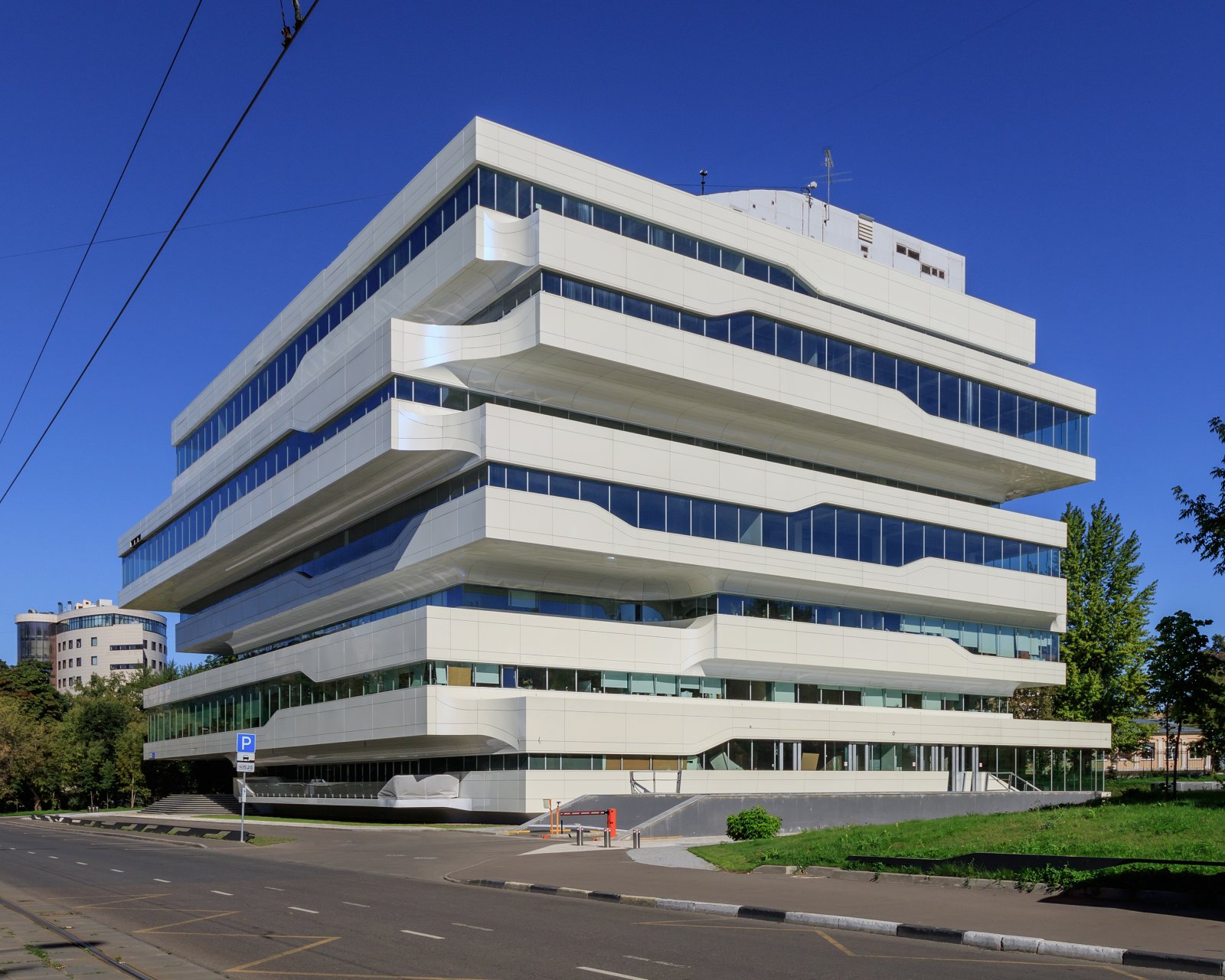
Art and Architecture The architectural style of the Dominion Office Building is quintessentially Hadid—characterized by fluid lines, organic forms, and a striking facade that seems to challenge conventional perceptions of office space. The building’s exterior, composed of glass and steel, reflects light in a way that changes throughout the day, creating a visual dialogue with its surroundings.
Inside, the atrium is a marvel of design, featuring multi-level shared spaces that foster interaction among the building's tenants. Balconies and lounging areas overlook this central hub, transforming the space into a vibrant community where creativity can flourish. The integration of art within the building—sculptures and installations from local artists—adds depth to the architectural experience, making it not just an office building but a cultural landmark.
Local Culture and Traditions The area surrounding the Dominion Office Building is a microcosm of Moscow’s rich cultural tapestry. Local customs often reflect the broader Russian traditions, with festivals celebrating everything from the harvest to the arts. Notably, Maslenitsa, a week-long festival marking the end of winter, features traditional foods like blini (thin pancakes) and folk celebrations that invite community spirit and togetherness.
Moreover, the district is increasingly becoming a hub for artistic expression, with galleries and exhibition spaces springing up in response to the creative influx brought about by the office building and its tenants. This cultural resurgence emphasizes collaboration and innovation, hallmarks of modern Moscow.
Gastronomy While the Dominion Office Building houses a restaurant that connects the atrium to an outdoor terrace, the culinary scene in the surrounding area is vibrant and diverse. Traditional Russian cuisine plays a prominent role, with local eateries offering dishes like borscht (beet soup), pelmeni (dumplings), and shchi (cabbage soup).
Visitors should not miss the opportunity to try kefir, a fermented milk drink, or indulge in a slice of Medovik, a honey cake that is a beloved staple of Russian dessert culture. The juxtaposition of traditional flavors with modern dining experiences reflects the broader cultural evolution occurring in Moscow.
Lesser-Known Curiosities Despite its striking appearance, many visitors overlook the subtle details that make the Dominion Office Building truly unique. One such detail is its commitment to sustainability; the building incorporates energy-efficient systems and green technologies that align with global standards for environmentally conscious design.
Additionally, the building's atrium hosts occasional art exhibitions and community events, fostering a sense of connection among tenants and residents alike. This aspect of the building enhances its role not just as a workplace, but as a community hub in a rapidly developing part of Moscow.
Practical Visitor Information The best time to visit the Dominion Office Building and the surrounding area is during the spring months (April to June) and early autumn (September to October). During these periods, the weather is mild, and the outdoor spaces are particularly inviting.
For those planning a trip, be sure to explore the nearby Dubrovka station on the Lyublinskaya line of the Moscow Metro, which provides convenient access to the building. Consider visiting during lunch hours or early evenings when the atrium is bustling with activity, offering a glimpse into the collaborative spirit that defines the space.
To appreciate the full spectrum of experiences in Moscow, including the Dominion Office Building, consider using the Secret World app to craft a personalized itinerary that caters to your interests.


