


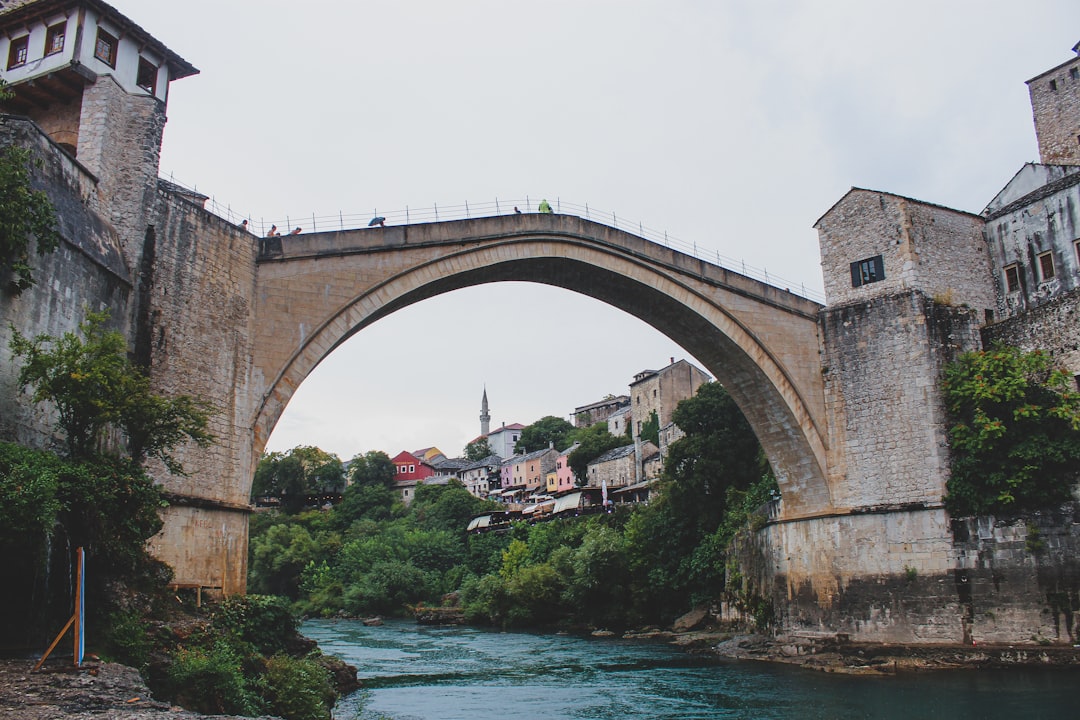
In the heart of Bosnia and Herzegovina, the Old Bridge of Mostar stands majestically, a witness to centuries of history and culture. This iconic bridge, known locally as Stari Most, is not only a physical connection between the two banks of the Neretva River, but also represents a symbol of unity and resilience in a region marked by conflicts and divisions. Walking on this bridge means crossing not only the crystal-clear water below, but also time and the stories that have shaped its past and present.

Set in a breathtaking landscape, the Old Bridge is surrounded by a fascinating mix of Ottoman architecture and European influences. The turquoise waters of the Neretva reflect the warm colors of the houses that climb along the surrounding hills, creating an enchanting picture that captures the attention of anyone visiting this historic town. In this article, we will explore not only the architectural beauty of the bridge, but also its historical and cultural significance for the community of Mostar and beyond.
An Architectural Wonder

Built in 1566 by the architect Mimar Hayruddin, the Ponte Vecchio is an impeccable example of Ottoman Renaissance architecture. With its elegant arch shape and limestone structure, the bridge stands out for its simplicity and grace. The particular construction technique, which uses perfectly shaped stone blocks, has allowed the bridge to withstand floods and earthquakes over the centuries, making it a true masterpiece of engineering.
The view from the bridge is equally extraordinary. On one side, you can admire the historic center of Mostar, with its mosques, markets, and cobblestone streets. On the other, the Neretva River flows fiercely, surrounded by steep cliffs and lush vegetation. Every year, the bridge attracts thousands of tourists and photographers, eager to capture this architectural wonder and its evocative natural environment.

Symbol of Resilience and Reconciliation
The Old Bridge is not only a beauty to admire but also a profound symbol of resilience for the people of Mostar. During the war in the Balkans, in 1993, the bridge was destroyed by a bombing, an act that represented the division and conflict that afflicted the region. However, its reconstruction took place later, thanks to a collective commitment from the community and numerous international aids. In 2004, the bridge was reopened to the public, restoring not only an important communication route but also a symbol of peace and unity.

Today, the Old Bridge is a place where people from different cultures and backgrounds can meet and interact. Every year, festivals and events are held that celebrate cultural diversity and harmony among communities. The bridge, therefore, is not just a tourist attraction but a lively and vibrant place that promotes understanding and reconciliation.
An Experience to Live
Visiting it is an experience that engages all the senses. As you walk on the bridge, you can hear the laughter of children playing along the river, the scent of spices from the surrounding markets, and the sound of flowing water. Local artisans sell their products, from ceramics to fabrics, and the cafes overlooking the river offer a great opportunity to enjoy a Turkish coffee while admiring the scenery.
For the more adventurous, the Ponte Vecchio is also a starting point for diving into the water, a tradition that dates back centuries. Every summer, the youth of Mostar leap into the Neretva from dizzying heights, drawing the admiration and applause of an excited crowd. This rite is not only a way to have fun, but it also symbolizes the courage and freedom of a generation that wishes to celebrate life.
Conclusion: The Magic of the Old Bridge
The Old Bridge of Mostar is much more than just a bridge; it is a meeting place, a testament to history, and a symbol of hope. Through its stones, the stories of different generations, cultures, and traditions intertwine. There is no doubt that a visit to Mostar cannot be considered complete without crossing this extraordinary bridge, which continues to enchant anyone fortunate enough to be in its remarkable presence.
In conclusion, the Old Bridge is an invitation to explore not only the beauty of a place but also to reflect on what it represents for the people who inhabit it. In a world that often seems divided, the Old Bridge of Mostar reminds us that hope and reconciliation are always possible, just like the waters that flow beneath it, which unite and do not separate.


