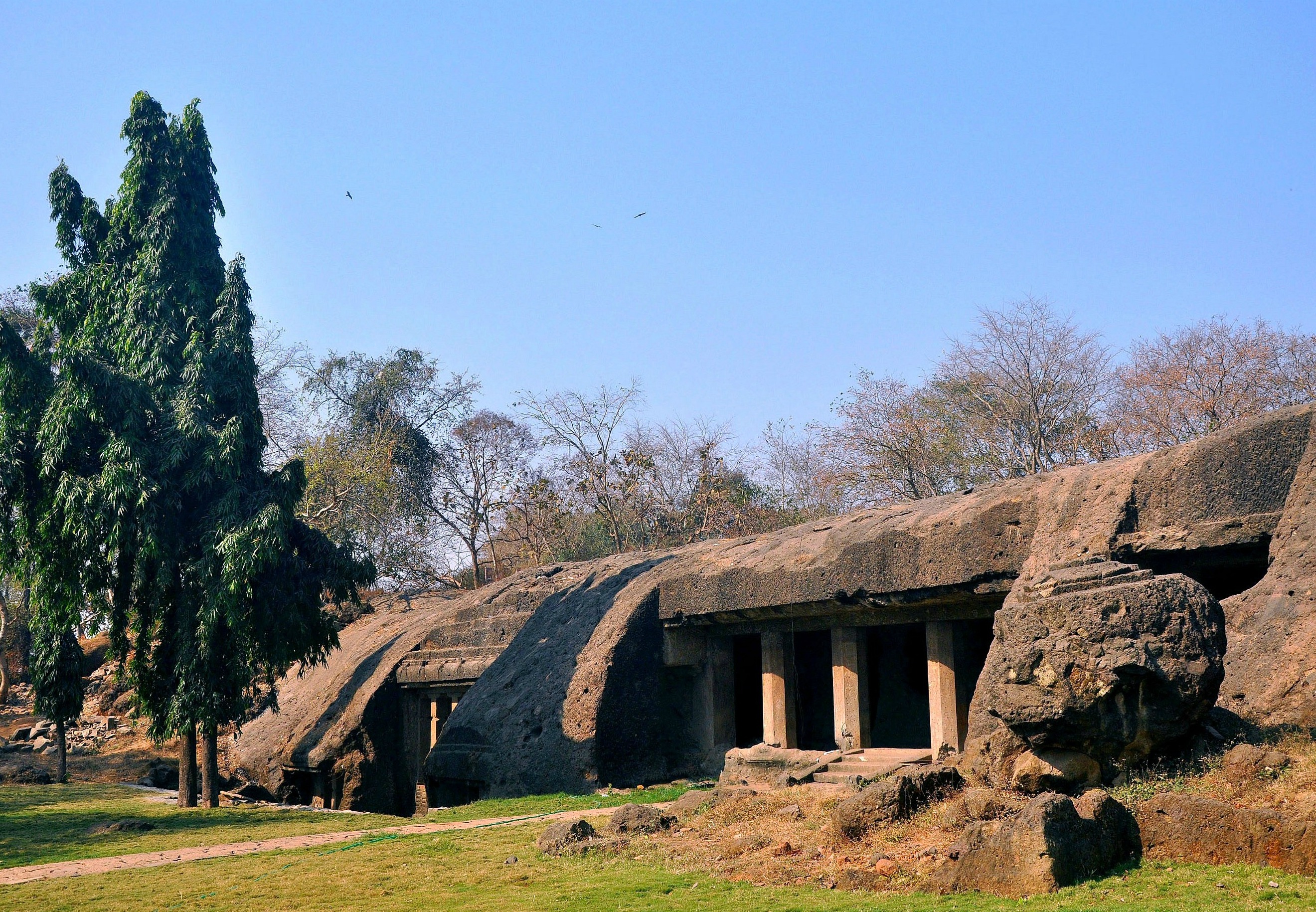
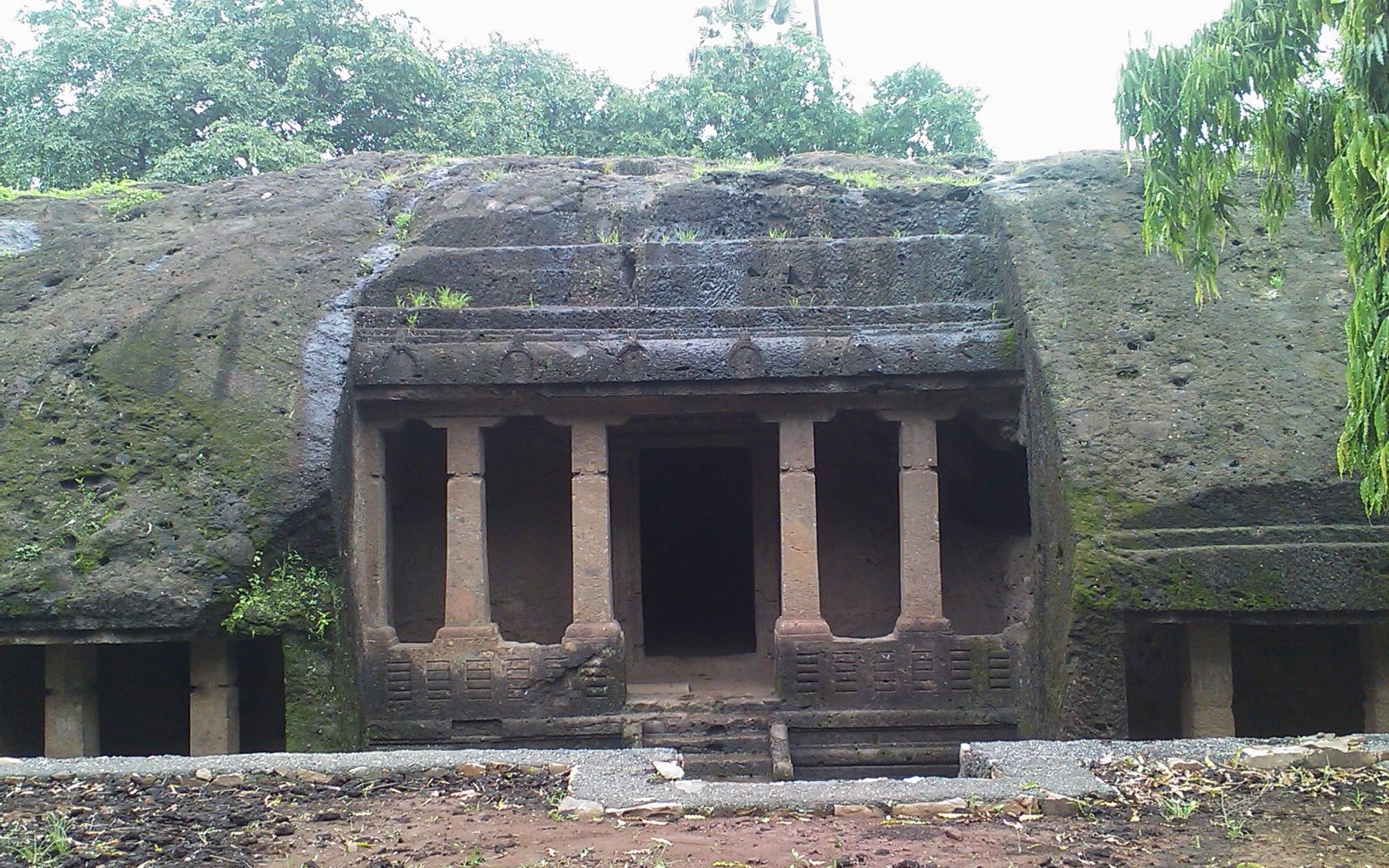

Nestled amidst the bustling cityscape of Mumbai, the Mahakali Caves stand as a silent sentinel to a bygone era, whispering tales from centuries past. This captivating site, situated in Andheri East at an elevation of 230 feet, offers a glimpse into India's rich Buddhist heritage. Formerly known as the Kondivita Caves, this ancient monastery complex represents a profound spiritual journey that began between the 1st and 6th centuries.
### History and Origins The origins of the Mahakali Caves trace back to a time when Buddhism flourished in India, attracting monks and scholars from far and wide. Carved meticulously out of the hard basalt rock, these caves served as a monastic retreat, providing a sanctuary for meditation and study. The caves were developed over several centuries, with the earliest work possibly initiated during the reign of the Satavahana dynasty. Over time, these caves evolved into a complex of 19 rock-cut structures, embodying the architectural and religious ethos of early Indian Buddhism.
### Art and Architecture Architecturally, the Mahakali Caves are a testament to the ingenuity and devotion of ancient craftsmen. The largest cave, Cave 9, is particularly noteworthy. It is a spacious vihara—a monastery hall—adorned with intricate reliefs and sculptures that depict Buddhist deities and mythological scenes. The artistry is subtle yet profound, capturing the essence of Buddhist teachings through its iconography. The caves also feature smaller cells used by monks for meditation, reflecting a minimalist aesthetic that is both functional and spiritually resonant.
### Local Culture and Traditions While the immediate vicinity of the Mahakali Caves may not host grand festivals like the more prominent Buddhist sites in India, the local culture in Mumbai reverberates with a blend of traditions. The city's diverse population celebrates a myriad of festivals, including Buddha Purnima, which marks the birth of Lord Buddha. During this time, the city's Buddhist community gathers to pay homage, offering a cultural tapestry that connects the ancient with the contemporary.
### Gastronomy Though the Mahakali Caves themselves do not offer culinary experiences, the surrounding area in Mumbai is a gastronomic delight. Visitors can savor local delicacies such as Vada Pav, a spicy potato fritter in a bun, and Pav Bhaji, a rich vegetable curry served with buttered bread. These dishes, while not directly linked to the caves, offer a taste of Mumbai's vibrant street food culture, which has evolved alongside its historical sites.
### Lesser-Known Curiosities One of the lesser-known aspects of the Mahakali Caves is their strategic location. Historically, the caves were situated near ancient trade routes, serving as a resting place for travelers and pilgrims. This strategic importance underscores the interconnectedness of spiritual and commercial life in ancient India. Additionally, the caves contain ancient cisterns, cleverly designed to collect rainwater, showcasing early advancements in water conservation.
### Practical Visitor Information For those planning a visit, the best time to explore the Mahakali Caves is during the cooler months from October to March. This period offers pleasant weather, ideal for exploring the rocky terrain. Visitors should wear comfortable shoes, as the site involves walking on uneven surfaces. It's also advisable to visit early in the morning to avoid crowds and fully appreciate the serene ambiance of this historical gem.
Discover the hidden stories of Mumbai with your personalized AI itinerary on Secret World.
