
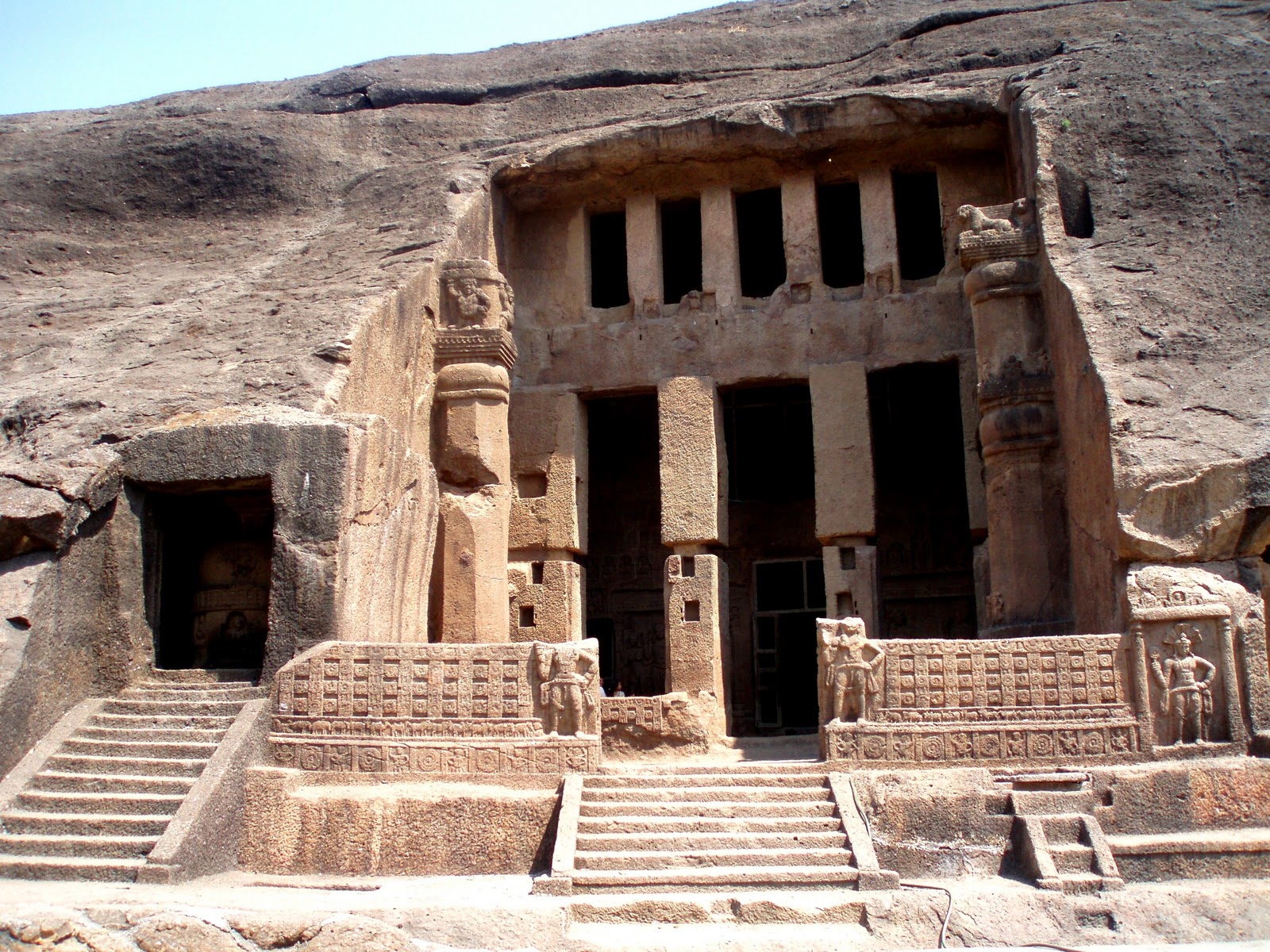

Nestled in the bustling urban tapestry of Mumbai, the Mahakali Caves offer a rare glimpse into the city's ancient past. Known also as the Kondivite Caves, these rock-cut monuments transport visitors back to a time when this metropolis was far from the sprawling modern jungle it is today. The Mahakali Caves stand as a testament to the rich cultural and religious tapestry of India, with origins dating back to between the 1st century BCE and 6th century CE.
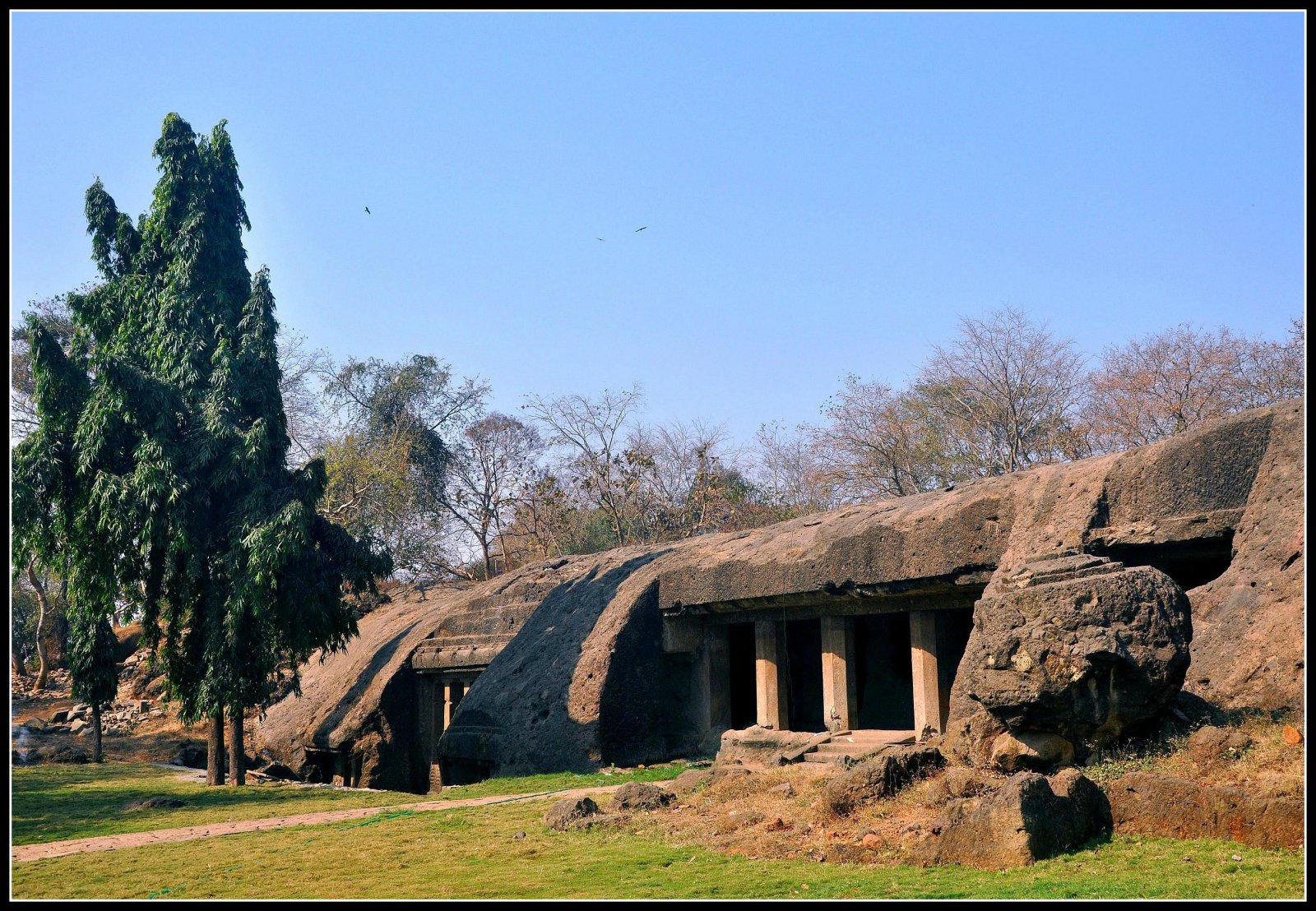
History and Origins
The origins of the Mahakali Caves are steeped in the spiritual traditions of early Buddhism. These caves were carved out during a period when Buddhism was spreading across the Indian subcontinent, serving as monasteries and spiritual retreats for monks. The caves are believed to have been patronized by wealthy merchants and local rulers, who were ardent supporters of the Buddhist faith. The historical significance of these caves is amplified by their endurance through time, surviving invasions, and the onslaught of natural elements.
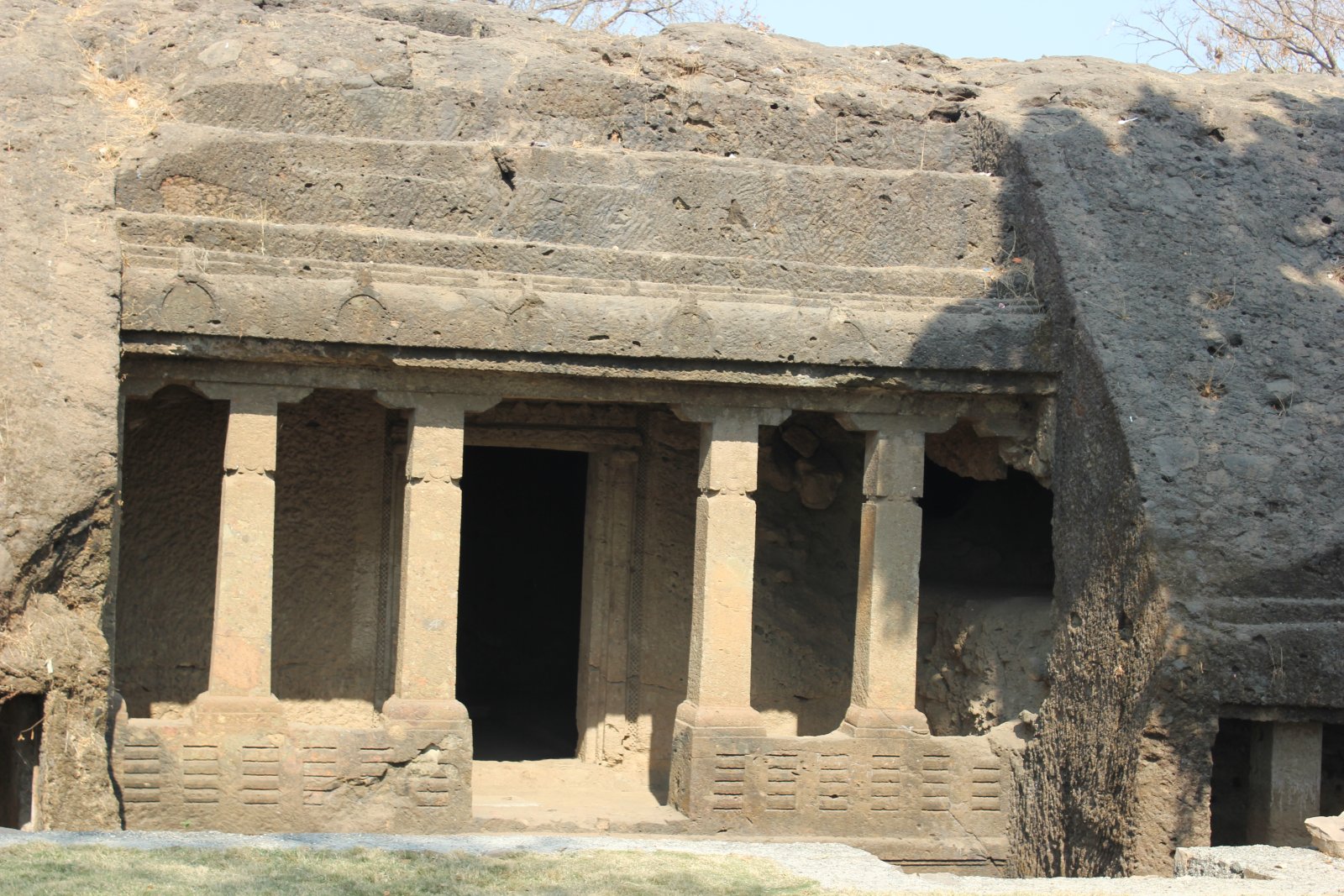
Art and Architecture
The Mahakali Caves are renowned for their rock-cut architecture, a style that requires painstaking precision and artistry. The caves are hewn from solid black basalt rock, known for its durability and challenging carving surface. The largest cave, Cave 9, is a chaitya, or prayer hall, that houses seven depictions of the Buddha, albeit many are now mutilated due to time and weathering. These carvings are emblematic of early Buddhist iconography, featuring intricate details that depict various aspects of the Buddha's life and teachings.
Local Culture and Traditions
The caves are located in Andheri East, a vibrant suburb of Mumbai that reflects a melange of cultures and traditions. Over the years, the caves have become a part of the local heritage, attracting pilgrims, historians, and tourists alike. Festivals like Buddha Purnima see increased footfall as devotees gather to pay homage to the Buddha in these historic caverns. The caves also serve as a reminder of Mumbai's diverse religious past, harmoniously blending into the city's multicultural fabric.
Gastronomy
While the Mahakali Caves themselves are not a gastronomic destination, the surrounding area offers a rich tapestry of Maharashtrian cuisine. Visitors can indulge in local delicacies such as vada pav, misal pav, and puran poli. These dishes, deeply rooted in local tradition, offer a taste of the region's culinary heritage, providing a perfect complement to the historical and cultural exploration of the caves.
Lesser-known Curiosities
One intriguing aspect of the Mahakali Caves is their proximity to the bustling SEEPZ (Santacruz Electronic Export Processing Zone), creating a stark contrast between the ancient and modern worlds. Few visitors realize that the caves are also near the Jogeshwari-Vikhroli Link Road, making them easily accessible yet often overlooked due to their hidden location. Despite their historical significance, the caves maintain a tranquil ambiance, offering a serene escape amidst Mumbai’s frenetic pace.
Practical Visitor Information
To fully appreciate the Mahakali Caves, plan your visit during the cooler months from November to February, when the weather is more conducive to exploration. It's advisable to visit early in the morning to avoid the afternoon crowds and heat. Wear comfortable walking shoes, as the terrain can be uneven, and bring water to stay hydrated. Look for the fine details in the carvings, which tell stories of devotion and artistry.
To explore Mumbai's hidden gems with a personalized touch, consider planning your itinerary using the Secret World app.


