
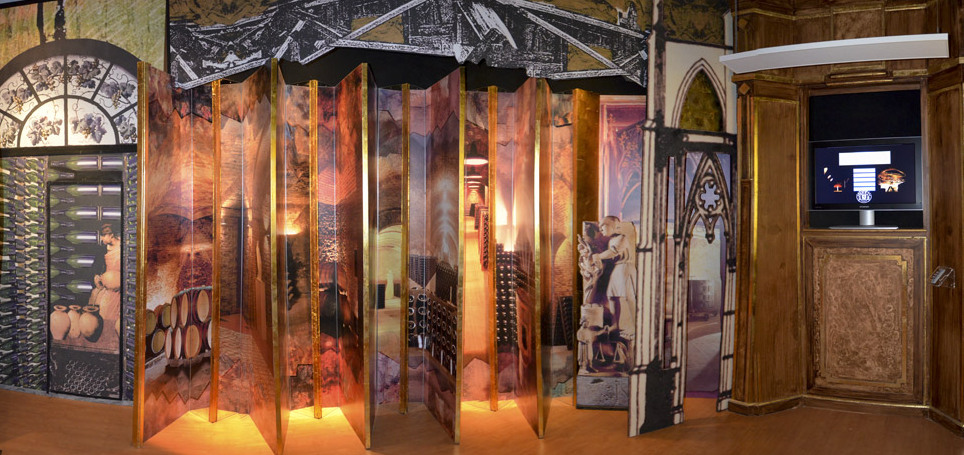

Nestled in the heart of Canelli, the Musa - Museo Multimediale del Sud Astigiano offers a captivating exploration of more than 150 years of Italy's rich oenological history. Designed by Eugenio Guglielminetti, this multimedia museum is not simply a collection of artifacts; it is a dynamic narrative that celebrates the vibrant culture and traditions of the Asti region.
The roots of Canelli can be traced back to ancient times, with traces of its history found in the remnants of Roman settlements. The town flourished during the Middle Ages, becoming a significant hub for trade and agriculture. By the 19th century, Canelli had established itself as a center for wine production, particularly known for its sparkling wines like Astigiano. The establishment of Musa in the early 2000s marked a pivotal moment in preserving and showcasing this legacy, transforming the museum into a beacon of local culture.
Architecturally, Musa is a stunning example of modern design infused with local character. The building itself is a blend of contemporary aesthetics and traditional materials, harmonizing with the surrounding landscape. The use of glass and steel allows natural light to flood the exhibition spaces, enhancing the immersive experience. Notable artworks include vivid murals that depict the winemaking process and the historical significance of grapes in the region, offering visitors a visual feast while educating them about local traditions.
The cultural tapestry of Canelli is rich and diverse, deeply intertwined with its oenological heritage. Local customs revolve around the grape harvest, with annual festivals celebrating the wine-making process. One of the most significant events is the Festa del Vino, where locals and visitors gather to enjoy tastings, live music, and traditional dances, all while honoring the region's dedication to viticulture.
Gastronomically, Canelli is a paradise for food and wine enthusiasts. The region is renowned for its Moscato d'Asti, a sweet, sparkling wine that pairs beautifully with local delicacies. Visitors should not miss trying agnolotti—a type of stuffed pasta typically filled with meat and served with rich sauces. For dessert, torta di nocciole (hazelnut cake) is a must-try, embodying the flavors of the region.
Among the lesser-known curiosities of Musa is its commitment to innovation. The museum not only features traditional exhibits but also incorporates modern technology to enhance visitor engagement. For instance, the six multimedia screens showcase films in various languages, sharing stories that span generations and connecting visitors with the local community.
Another intriguing aspect is the museum's ability to evolve. Designed to be updated, Musa frequently hosts temporary exhibitions that focus on contemporary issues in viticulture and sustainability, making each visit unique. Additionally, the museum collaborates with local wineries, offering tastings and interactive experiences that bring the wine-making process to life.
To fully appreciate Musa and the surrounding areas, the best time to visit is during the grape harvest season, typically from late September to early October. During this period, the landscape is vibrant with color, and the air is filled with the aroma of ripening grapes. It’s advisable to check the museum’s schedule for special events and guided tours, which provide deeper insights into the local culture and history.
When visiting, be sure to explore the interactive exhibits that allow you to delve into the science of winemaking. Don’t forget to step outside and wander through the picturesque vineyards that surround the museum, offering a stunning backdrop for photographs and reflection.
In summary, Musa - Museo Multimediale del Sud Astigiano is not just a museum; it’s an experience that encapsulates the essence of Canelli’s winemaking tradition. Engage with the history, savor the flavors, and immerse yourself in the culture of this charming Italian town. To make the most of your visit, consider using the Secret World app for personalized itinerary planning in Canelli.


