
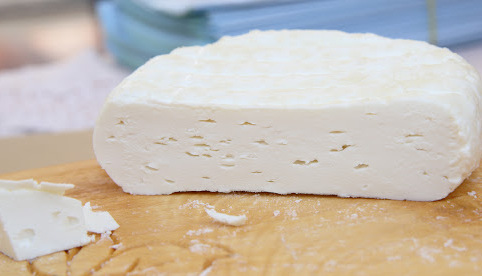

Nestled in the verdant hills of Piedmont, the small village of Roccaverano is a hidden gem, famed for its exquisite Robiola di Roccaverano cheese. This fresh cheese, a delightful blend of goat, sheep, and cow's milk, has a history as rich as its flavor, tracing back to ancient times and echoing through the valleys of this picturesque Italian landscape.
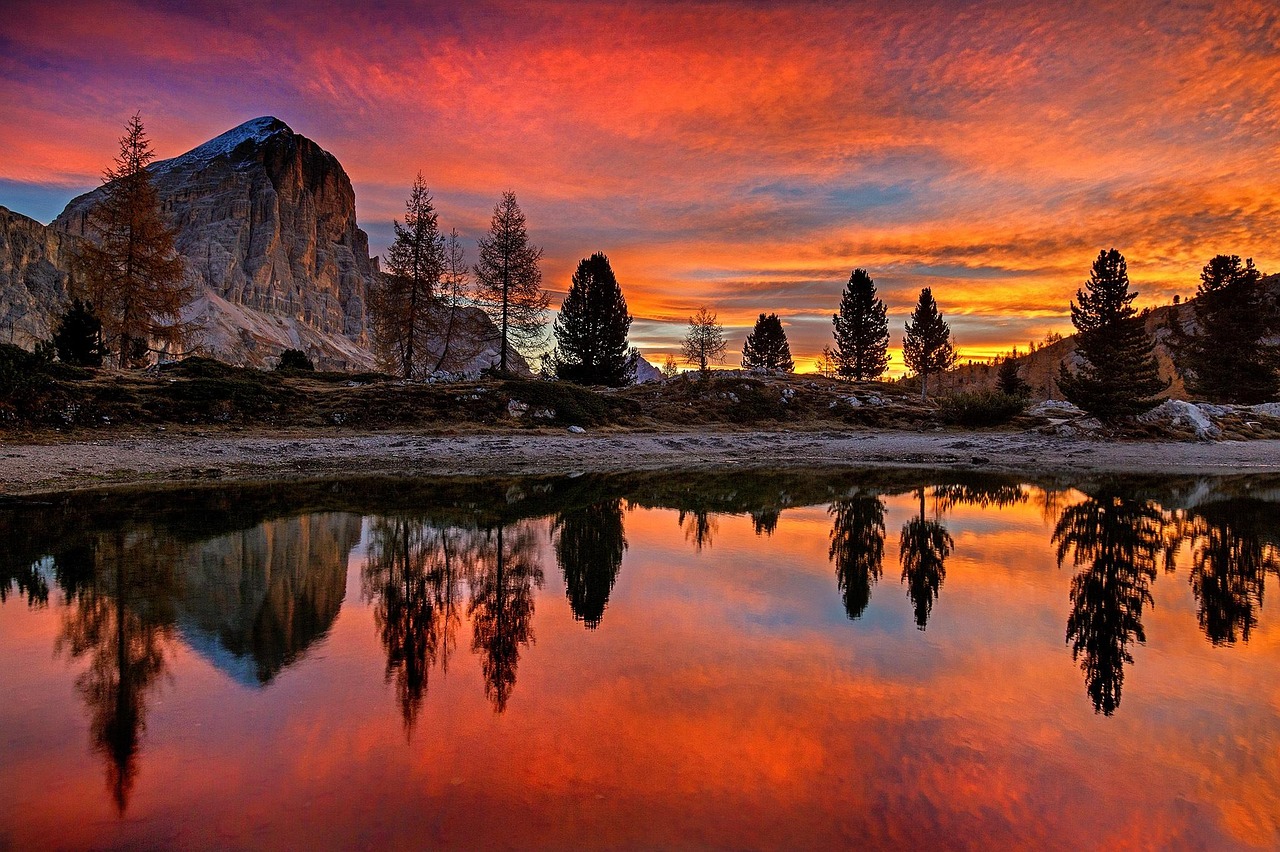
The origins of Robiola can be traced back to the Celts, who first crafted a cheese that bears a resemblance to the modern variant we savor today. Archaeological evidence suggests that cheese-making was a vital part of Celtic culture, and the lush meadows of Roccaverano provided the perfect environment for grazing animals. The arrival of the Romans further shaped the cheese's legacy, leading to the term "rubeola," which referred to a similar cheese. However, it wasn't until a manuscript from 1899 highlighted the significance of Robiola that its reputation truly flourished. During this period, five annual fairs were held in the municipality, where "excellent Robiole cheeses" were proudly sold for export, marking its importance in local commerce.
Architecturally, Roccaverano is a charming tapestry of traditional Piedmontese style. The village is adorned with ancient stone buildings that reflect its storied past. Among the notable landmarks, the Church of San Giovanni Battista, dating back to the 12th century, showcases stunning Romanesque architecture. Its bell tower, rising high above the village, is a beacon of history and culture. Inside, visitors can admire frescoes that narrate biblical stories, offering a glimpse into the artistic expressions of the past.

The local culture is vibrant, steeped in traditions that celebrate the land and its products. Festivals in Roccaverano often center around the harvest and the production of Robiola. The Fiera della Robiola, held in September, is a highlight of the year, attracting cheese lovers from far and wide. Here, locals display their artisanal cheeses, and visitors can indulge in tastings, savoring the unique flavors derived from the diverse flora that grows in the region. The village also honors its agricultural roots with events that celebrate local crafts, music, and dance, reinforcing a strong sense of community.
Gastronomically, Roccaverano is a paradise for food enthusiasts. The Robiola di Roccaverano is often enjoyed fresh, but it can also be aged to develop deeper flavors. Pairing it with local wines, such as Moscato d'Asti or Barbera, enhances the tasting experience. Traditional dishes often feature this celebrated cheese, such as gnocchi alla Robiola, where the creamy texture of the cheese melds beautifully with fresh pasta. Fresh vegetables, cured meats, and homemade bread complete the culinary canvas, creating a feast that embodies the essence of Piedmont.
Among the lesser-known curiosities of Roccaverano is the remarkable biodiversity that enriches the pastures. The animals that produce Robiola graze on a diet of aromatic and medicinal herbs, which gives the cheese its distinctive flavor profile. Local farmers practice sustainable grazing methods, ensuring that the land remains fertile and vibrant. This connection to nature is not only vital for the production of quality cheese but also reflects the villagers’ commitment to preserving their heritage.
For those looking to visit Roccaverano, the best time is during the late spring and early autumn months, when the landscape is lush and the weather is pleasant. It is advisable to explore the village on foot, allowing for an intimate connection with its charming streets and welcoming locals. Don’t miss the opportunity to sample Robiola at local dairies, where artisans are often eager to share their knowledge and passion for cheese-making.
In conclusion, Roccaverano is a treasure trove of history, culture, and gastronomy, with the Robiola di Roccaverano at its heart. Its rich past, vibrant traditions, and delectable flavors make it a destination worth discovering. For a personalized journey through this enchanting village, consider using the Secret World app to plan your itinerary.


