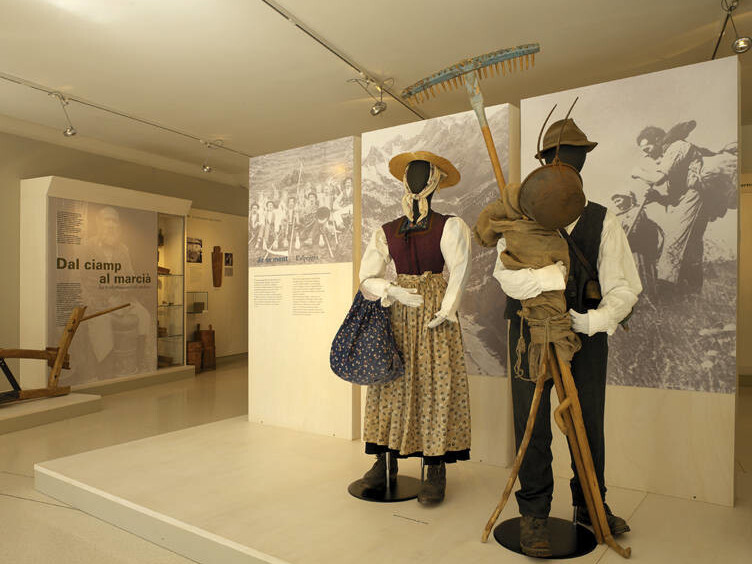

Nestled in the heart of the Dolomites, the Museum Ladin of Fassa offers a captivating journey through the rich tapestry of Ladin culture. Located in Pozza di Fassa, this museum is not merely a collection of artifacts; it is a celebration of a distinct identity that has survived for centuries in the alpine valleys of northern Italy.
### History and Origins
The origins of the Ladin people trace back to the Roman Empire, with the first references to the Ladin language appearing in the historical record around the 9th century. The Fassa Valley became a melting pot of cultures, influenced by Roman settlers, Germanic tribes, and later, the arrival of the Austro-Hungarian Empire. The museum itself opened its doors in 2002, the culmination of over two decades of research conducted by the Ladin Cultural Institute, aimed at preserving and showcasing this unique heritage.
Throughout the years, the Fassa Valley has witnessed significant events, from the struggles for autonomy in the early 20th century to the integration into modern Italy. These historical layers are interwoven within the museum’s narrative, providing insights into the daily lives of the Ladin people, their traditions, and how they have adapted to changing times.
### Art and Architecture
The Museum Ladin of Fassa is housed in a contemporary building that harmonizes with its stunning alpine surroundings. The architectural style reflects modern design while incorporating elements reminiscent of traditional Ladin homes, such as wooden beams and stone. This thoughtful design creates an inviting atmosphere where visitors can immerse themselves in the exhibits.
One of the standout features of the museum is its collection of artworks, notably the enchanting illustrations by Milo Manara. His drawings breathe life into the legends of the Ladin culture, capturing the essence of tales that have been passed down through generations. The combination of art and storytelling provides a visual and emotional connection to the history of the region.
### Local Culture and Traditions
The Ladin people are known for their vibrant customs and festivals, deeply rooted in their agrarian lifestyle. One of the most celebrated events is Festa de la Mèna, held every summer, where locals showcase traditional crafts, music, and dances that reflect their heritage. Festivals like this not only honor the past but also foster community spirit and pride among the Ladin people.
Religious traditions also play a significant role in the cultural landscape. The Ladin language, still spoken by many today, is a testament to their resilience and commitment to preserving their identity. Visitors can witness this cultural richness through various rituals and practices that permeate daily life in the valley.
### Gastronomy
No visit to the Fassa Valley would be complete without indulging in its culinary delights. The region is famous for its canederli, hearty dumplings made from bread, speck, and cheese, often served in broth. Another local favorite is polenta, a staple dish that reflects the simplicity and heartiness of Ladin cuisine.
For those with a sweet tooth, strudel filled with apples or berries is a must-try, best enjoyed with a glass of Schiava, a light red wine native to the region. The culinary offerings here are not just meals but a reflection of the landscape and the traditions of the people who call this valley home.
### Lesser-Known Curiosities
While the main exhibits of the museum draw significant attention, there are lesser-known gems that often elude the casual visitor. For instance, the museum features an ancient Venetian sawmill in Pena, which has been preserved to demonstrate the traditional practices of timber processing that were crucial for the region's development.
Another intriguing aspect is the Casino di Bersaglio in Campitello, a unique local structure that showcases how leisure and social interaction have evolved in the Ladin community over centuries. These smaller sections of the museum provide a more intimate look at the everyday lives of the Ladin people, revealing stories that resonate with the essence of their culture.
### Practical Visitor Information
The best time to visit the Museum Ladin of Fassa is during the spring and summer months when the valley is alive with color and activity. Many visitors recommend planning your trip around one of the local festivals to fully immerse yourself in the culture. The museum is equipped with 15 interactive stations, allowing guests to explore over 60 short films that delve deeper into the topics presented.
To make the most of your visit, consider allocating a few hours to fully appreciate the exhibits and the surrounding area. Also, don’t miss the chance to explore the local sections of the museum, as they offer valuable insights into the historical and cultural significance of various sites in the valley.
As you plan your visit to the enchanting Pozza di Fassa, consider using the Secret World app to create a personalized itinerary that captures the essence of this remarkable region.
