
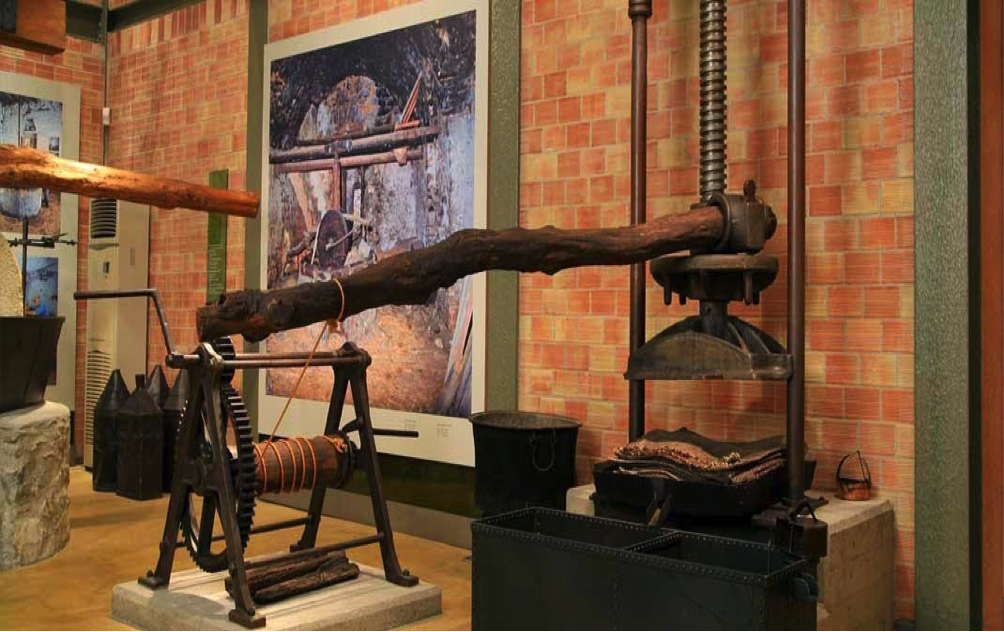

Nestled in the charming town of Albi in the heart of Calabria, the Museum of the Agrosylvopastoral Civilization stands as a testament to the rich tapestry of traditions that have shaped this unique region. It is a place where the whispers of ancient forests blend with the tales of pastoral life, offering visitors a vivid journey into the past.
The museum's origins are deeply intertwined with the history of the Sila National Park, particularly the area known as the Sila Piccola. This region has been home to various civilizations over millennia, from the ancient Bruttii tribes to the influence of the Romans. The museum itself was recently inaugurated as part of a broader initiative to requalify the Sila territory, breathing new life into its historical and cultural heritage. It serves as a custodian of the ancient ways, preserving the stories of the people who lived off the land, their lives dictated by the rhythm of nature.
Architecturally, the museum is a harmonious blend of traditional Calabrian design and modern touches. Its rustic stone facades reflect the rugged beauty of the surrounding landscape, while the interiors are thoughtfully designed to showcase exhibits through a contemporary lens. Among its notable artworks are artifacts from the pastures and forests, including intricately carved wooden tools and vibrant textiles that speak volumes of the artisanal skills passed down through generations.
Cultural preservation is at the heart of the museum's mission. The Sila region is rich in customs and traditions that come alive through its festivals and daily life. Visitors to the museum can engage with the vibrant culture of the agrosylvopastoral community, where age-old practices are still evident. The Feast of the Transhumance, for example, is celebrated with great enthusiasm, marking the seasonal movement of livestock with music, dance, and communal feasting. This tradition encapsulates the deep connection the people have with their land and livestock, fostering a sense of continuity and community.
Gastronomy in this region is a celebration of the land's bounty, with dishes that reflect the simplicity and heartiness of rural life. One must indulge in the caciocavallo Silano, a stretched-curd cheese that embodies the rich flavors of the Sila pastures. Pair it with a glass of Cirò wine, and you have a taste experience that speaks to the soul of Calabria. The museum often hosts tasting events, allowing visitors to savor these local specialties while learning about their origins and production methods.
For those with a keen interest in lesser-known aspects, the museum offers intriguing insights into the Vallombrosian monks' influence on local agriculture. These monks were pivotal in developing sustainable farming practices that are still in use today. Another fascinating element is the museum's collection of arbëreshë artifacts, representing the Albanian-speaking communities that settled in Calabria, adding another layer of cultural richness to the area.
Practical information is vital for those planning a visit. The best time to explore the museum and its surroundings is during the spring and autumn months, when the Sila landscape is at its most picturesque, and the weather is pleasantly mild. Be sure to allocate a few hours to fully immerse yourself in the exhibits. Guided tours are available and highly recommended, as they provide deeper insights into the stories behind the displays. Keep an eye out for special workshops and events, which are regularly held to engage visitors in hands-on cultural experiences.
In summary, the Museum of the Agrosylvopastoral Civilization is not merely a repository of artifacts; it is a living narrative of the Sila people's enduring relationship with their land. It invites travelers not just to observe, but to participate in the vibrant cultural tapestry that defines this enchanting corner of Italy.


