
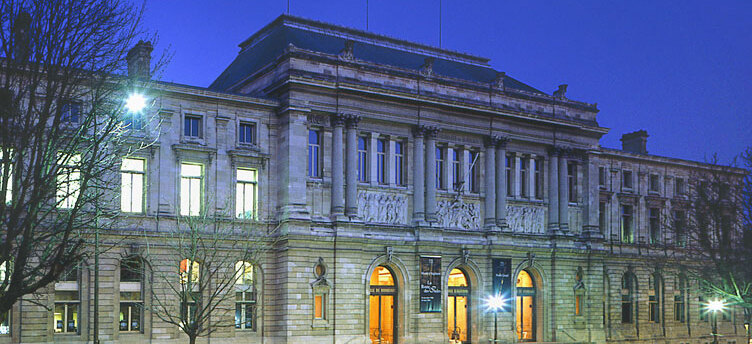

Nestled in the heart of Bordeaux, the Musée d'Aquitaine is a treasure trove that encapsulates the rich tapestry of the region's history. With nearly 150,000 visitors each year, this museum offers a captivating journey through time, revealing the evolution of Bordeaux from its prehistoric roots to contemporary society.
The museum's origins trace back to the late 19th century when it was established to house the region’s archaeological artifacts. It became the Bordeaux Museum of Antiquities in 1862, but it wasn't until 1987 that it was rebranded as the Musée d'Aquitaine, reflecting a broader commitment to showcasing the history and culture of the entire Aquitaine region. Over the years, the museum has become a vital cultural institution, marking key historical events and figures that have shaped Bordeaux, such as Eleanor of Aquitaine and Michel de Montaigne.
Architecturally, the Musée d'Aquitaine is a harmonious blend of modern design and historical significance. Housed in a former courthouse, the building itself is a work of art, featuring an innovative layout that encourages exploration. The museum spans over 3,000 square meters, boasting a minimalist yet striking interior that accentuates its diverse collections. Visitors can admire significant artworks, including sculptures and paintings that reflect the region's artistic heritage, while the layout invites them to wander through time in a thoughtfully curated journey.

Local culture flourishes within the walls of the museum, where traditions and customs of the Aquitaine region are celebrated. The museum hosts several cultural programs throughout the year, including lectures, concerts, and workshops that engage both locals and tourists. One notable event is the Fête du Vin, held every two years, which showcases the region's world-renowned wines, celebrating the deep connection between Bordeaux and its vineyards. This cultural festival aligns perfectly with the museum's mission to educate visitors about the integral role of wine in Aquitaine’s history.
Gastronomy is another vital aspect of the region's identity, and the museum serves as a gateway to local culinary delights. The famous Canelé, a small pastry with a soft custard center and a caramelized crust, originated in Bordeaux and is a must-try for visitors. Pair it with a glass of Sauternes, a sweet white wine produced in the nearby Graves region, for an authentic taste of Aquitaine. The museum’s exhibitions often highlight these local specialties, connecting food to the broader narrative of the region’s cultural heritage.
Hidden within the museum’s extensive collections are lesser-known curiosities that add layers to its historical narrative. One fascinating feature is the collection of artifacts from the Gallo-Roman period, including tools, pottery, and jewelry that provide insight into the daily lives of ancient inhabitants. Additionally, visitors might be surprised to learn that the museum houses a unique exhibit dedicated to the Black Prince, Edward, the Prince of Wales, who played a significant role in the Hundred Years' War and was a prominent figure in Bordeaux's history.
For those planning a visit, the best time to explore the Musée d'Aquitaine is during the spring and fall months when the weather is mild, and the city buzzes with cultural activities. The museum is easily accessible via public transportation, and guided tours can enhance the experience, providing deeper insights into the collections. Be sure to take your time with the exhibits, particularly the sections dedicated to Montaigne and the rise of Bordeaux as a key trade hub in the Middle Ages.
In conclusion, the Musée d'Aquitaine is more than just a museum; it is a celebration of the Bordeaux region's rich history, diverse cultures, and gastronomic traditions. Every corner of this remarkable institution tells a story, inviting visitors to connect with the past and appreciate the vibrant culture that continues to thrive today. For a personalized travel experience in Bordeaux, consider using the Secret World app to craft your own unique itinerary.


