
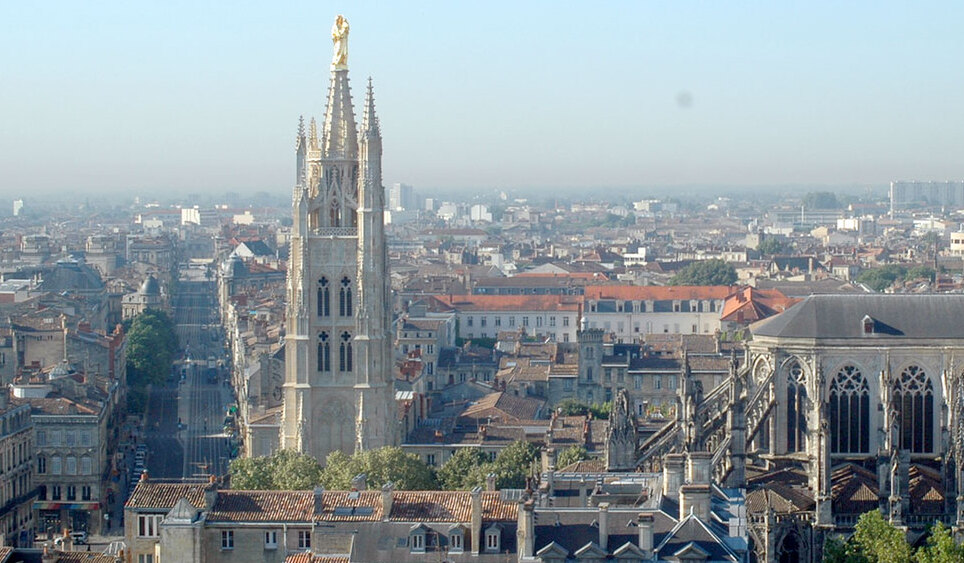

In the heart of Bordeaux, a city renowned for its wine and stunning architecture, stands the Tour Pey-Berland, an emblematic symbol of the city’s rich history and architectural prowess. As you approach this towering edifice, it's hard to miss its striking silhouette against the skyline, a testament to Bordeaux's medieval past and its enduring charm.
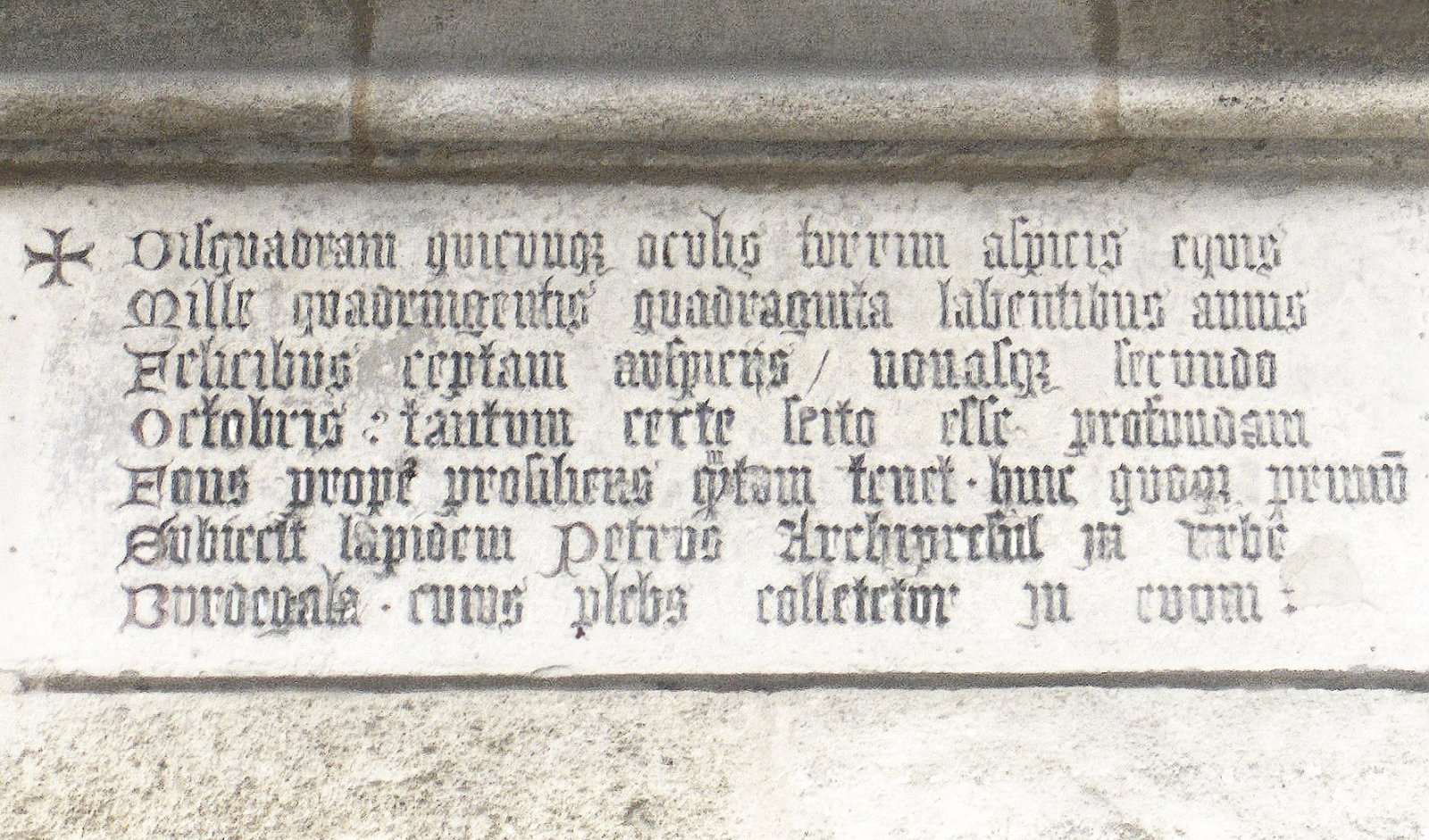
The Tour Pey-Berland was constructed between 1440 and 1446, during the time of Archbishop Pey Berland, after whom the tower is named. Its primary purpose was to house the bells of the nearby Cathédrale Saint-André without compromising the structural integrity of the cathedral itself. This decision reflects the architectural foresight of the era, as it allowed for the preservation of the cathedral while still serving the community’s need for a belfry. The tower’s design was both practical and strategic, as its separate bell tower could also function as a lookout point during times of conflict, offering panoramic views over the city and its surroundings.
Architecturally, the Tour Pey-Berland is a masterpiece of Gothic design. It is constructed from the characteristic pale limestone of the region, which gives it a luminous quality under the sun. The tower is adorned with intricate carvings and gargoyles, typical of the flamboyant Gothic style of the period. At its pinnacle sits a golden statue of Notre-Dame d’Aquitaine, added in the 19th century, which shines as a beacon of faith and artistry. The ascent to the top involves climbing 231 steps of a narrow spiral staircase, rewarding visitors with breathtaking views of Bordeaux’s harmonious blend of historic and modern architecture.
Bordeaux itself is a city steeped in culture and tradition, and the area around the Tour Pey-Berland is no exception. The tower is located in the historic heart of the city, where festivals such as the Fête de la Saint-André celebrate the region’s patron saint each November with traditional music, food, and parades. The tower is also a focal point during the Journées du Patrimoine, France’s annual heritage days, when locals and tourists alike are invited to explore historical sites and participate in cultural events.
No visit to Bordeaux would be complete without indulging in its famed gastronomy. The streets around the Tour Pey-Berland are dotted with charming cafés and restaurants offering local specialties. Canelés, small pastries with a caramelized crust and soft interior, are a must-try treat that originated in Bordeaux. Pair them with a glass of Bordeaux wine, and you have a quintessentially Bordelais experience. Additionally, dishes like entrecôte à la bordelaise—a steak served with a rich red wine sauce—reflect the region’s deep connection to both its culinary and vinicultural heritage.
For those seeking lesser-known curiosities, the Tour Pey-Berland holds its share of secrets. During World War II, the tower was used as a vantage point by German forces, a testament to its strategic importance. Additionally, the bells housed within, including the massive Ferdinand-André, each have their own story and historical significance, resonating with the echoes of past centuries.
Visitors planning to explore the Tour Pey-Berland should aim for the late spring or early autumn months, when the weather in Bordeaux is mild and the city’s many outdoor attractions can be enjoyed to their fullest. It’s advisable to wear comfortable shoes for the climb and to visit early in the day to avoid crowds, allowing for a more personal experience at the top. As you ascend, take the time to appreciate the craftsmanship of the stonework and the history etched into its walls.
Whether you are a history aficionado, an architecture lover, or simply someone seeking the beauty of Bordeaux from above, the Tour Pey-Berland offers a unique glimpse into the city’s past and present. With its rich tapestry of history, art, and culture, this tower stands not only as a monument to an era gone by but as a vibrant part of Bordeaux’s living heritage, inviting you to explore its heights and depths.


