
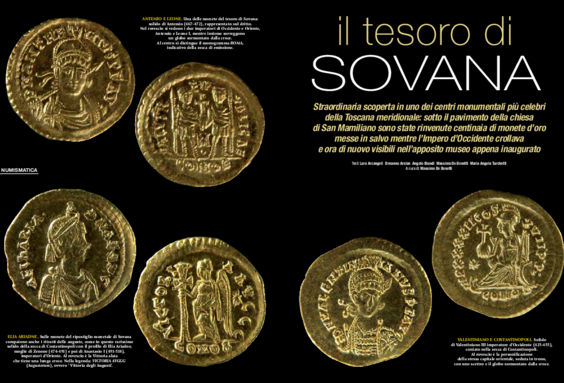

In the charming village of Sovana, nestled in the heart of the Tuscany region, lies the Museum of San Mamiliano—a treasure trove that offers a glimpse into the rich tapestry of Italian history. This museum, housed within the restored Church of San Mamiliano, is a testament to the enduring legacy of the area, where ancient traditions and archaeological wonders meld seamlessly into the present.
History and Origins
Sovana boasts a history that dates back to the Etruscan civilization, making it one of the oldest settlements in Tuscany. The village flourished during the Roman era, and its strategic location facilitated trade and cultural exchanges. The Church of San Mamiliano, originally built in the 12th century, has undergone various transformations over the centuries, reflecting the architectural styles and societal changes of each epoch.
The significant archaeological survey conducted over the last decade unveiled a remarkable cache of around 500 gold coins from the imperial era. These coins, which bear the likenesses of various Roman emperors, not only highlight the wealth of the region but also its importance in the ancient world. The discovery has reignited interest in Sovana's historical narrative, as the coins are now preserved in their place of origin, offering insights into the economic and social dynamics of the time.
Art and Architecture
The architectural style of the Church of San Mamiliano is a delightful mix of Romanesque and Gothic influences, characterized by its sturdy stone façade and intricate detailing. As you enter the museum, you are greeted by the understated elegance of its design, which complements the historical artifacts on display. Notable works include beautifully preserved frescoes that adorn the walls, depicting scenes from the life of San Mamiliano, the church’s namesake and a local saint revered for his piety and dedication.
Art lovers will appreciate the significance of these frescoes, which provide a window into the medieval period's spiritual life and artistic expression. The museum's collection extends beyond coins to include ceramics, tools, and everyday items that showcase the daily lives of Sovana's ancient inhabitants.
Local Culture and Traditions
Sovana is not just a repository of history; it is a vibrant community steeped in local customs and traditions. The annual Sovana Festival, held in the summer, celebrates the village's rich heritage with music, dance, and culinary delights. Visitors can immerse themselves in the lively atmosphere, enjoying performances that echo the village's past while savoring traditional dishes that have been passed down through generations.
Local artisans often showcase their crafts during the festival, offering handmade goods that reflect the region's artisanal skills. The sense of community and pride in heritage is palpable, making it an excellent opportunity for visitors to engage with locals and gain a deeper understanding of Sovana's cultural identity.
Gastronomy
The culinary offerings in Sovana are as rich as its history. The region is known for its wild boar, often prepared in hearty stews or served as cured meats, a nod to Tuscany’s agricultural heritage. Pici, a hand-rolled pasta, is another local specialty, typically paired with a robust tomato sauce or a savory ragù.
Wine enthusiasts will delight in the local varietals, particularly the Morellino di Scansano, a red wine that beautifully complements the region's rustic dishes. Pairing a glass with a plate of local pecorino cheese provides a true taste of Tuscany’s gastronomic landscape, making every meal an experience of its own.
Lesser-known Curiosities
While most visitors flock to the more famous attractions in Tuscany, Sovana holds its own unique secrets. One of the lesser-known facts is the nearby Etruscan necropolis, a UNESCO World Heritage site, where ancient tombs carved into the rock reveal intricate frescoes and artifacts that offer a glimpse into Etruscan burial practices.
Additionally, the village's winding streets are lined with ancient stone houses, many of which still bear the marks of their storied past. If you wander off the beaten path, you might discover quaint corners adorned with vibrant flowers or hidden chapels that speak to the village's deep-rooted spirituality.
Practical Visitor Information
The best time to visit the Museum of San Mamiliano is during the spring and early autumn months when the weather is mild, and the surrounding countryside is in full bloom. Plan your visit during the festival season for an immersive cultural experience.
When exploring the museum, take your time to appreciate the artifacts and the stories they tell. Don’t miss the opportunity to engage with local guides, who often share fascinating anecdotes that enrich your understanding of Sovana’s history.
For a personalized experience, consider using the Secret World app to help plan your itinerary and uncover the hidden gems of Sovana.


