
← Back

Museum of the Great Rivers

Piazza S. Bartolomeo, 18, 45100 Rovigo RO, Italia ★★★★☆ 173 views
Sarah Ferguson
Rovigo
🏆 AI Trip Planner 2026

Get the free app

Discover the best of Rovigo with Secret World — the AI trip planner with 1M+ destinations. Get personalized itineraries, hidden gems and local tips. Free on iOS & Android.

🧠 AI Itineraries 🎒 Trip Toolkit 🎮 KnowWhere Game 🎧 Audio Guides 📹 Videos
Download on the App Store Get it on Google Play
Scan to download Scan to download

Art, Theaters and Museums · Rovigo

Museum of the Great Rivers - Rovigo | Secret World Trip Planner

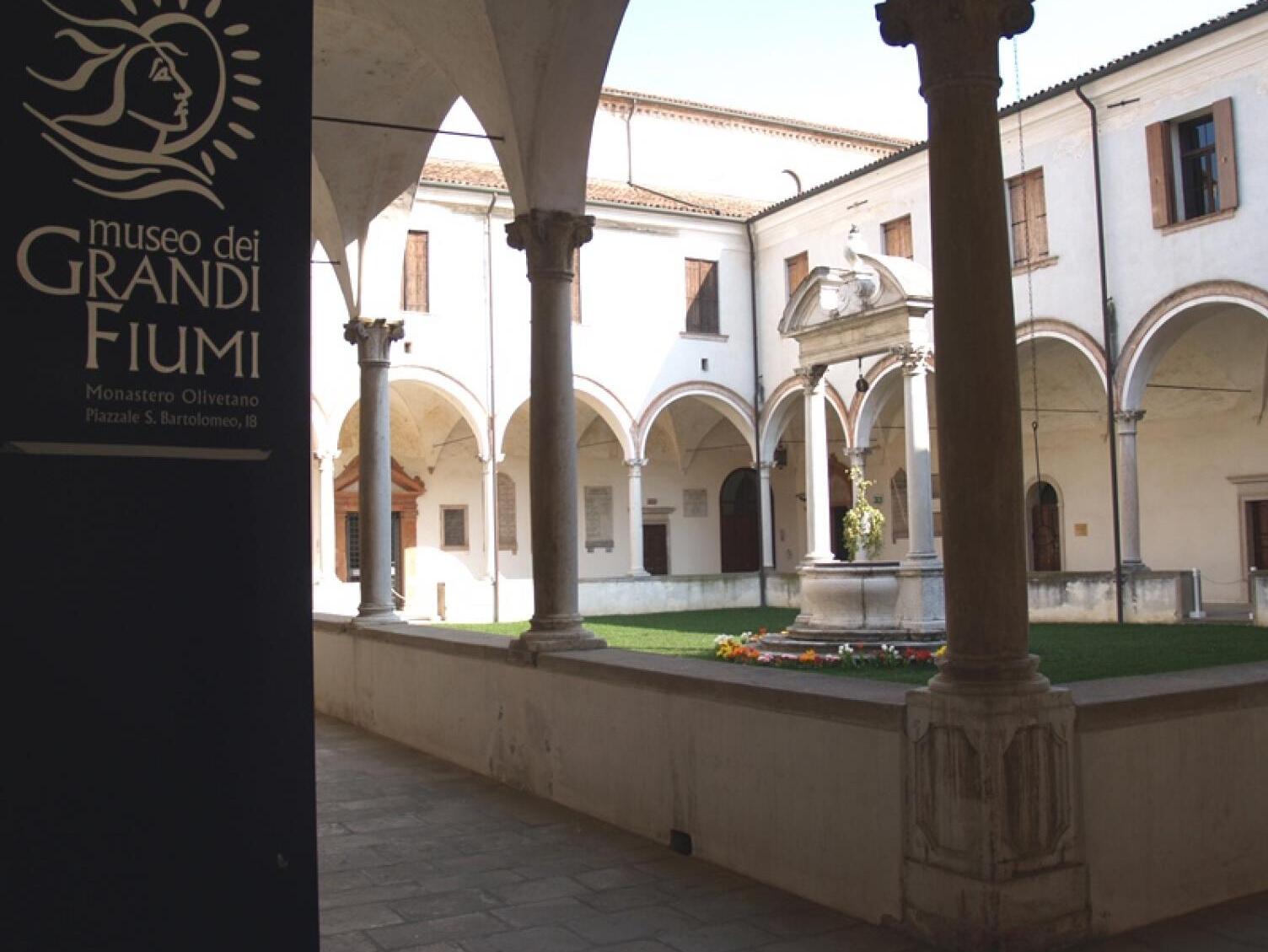
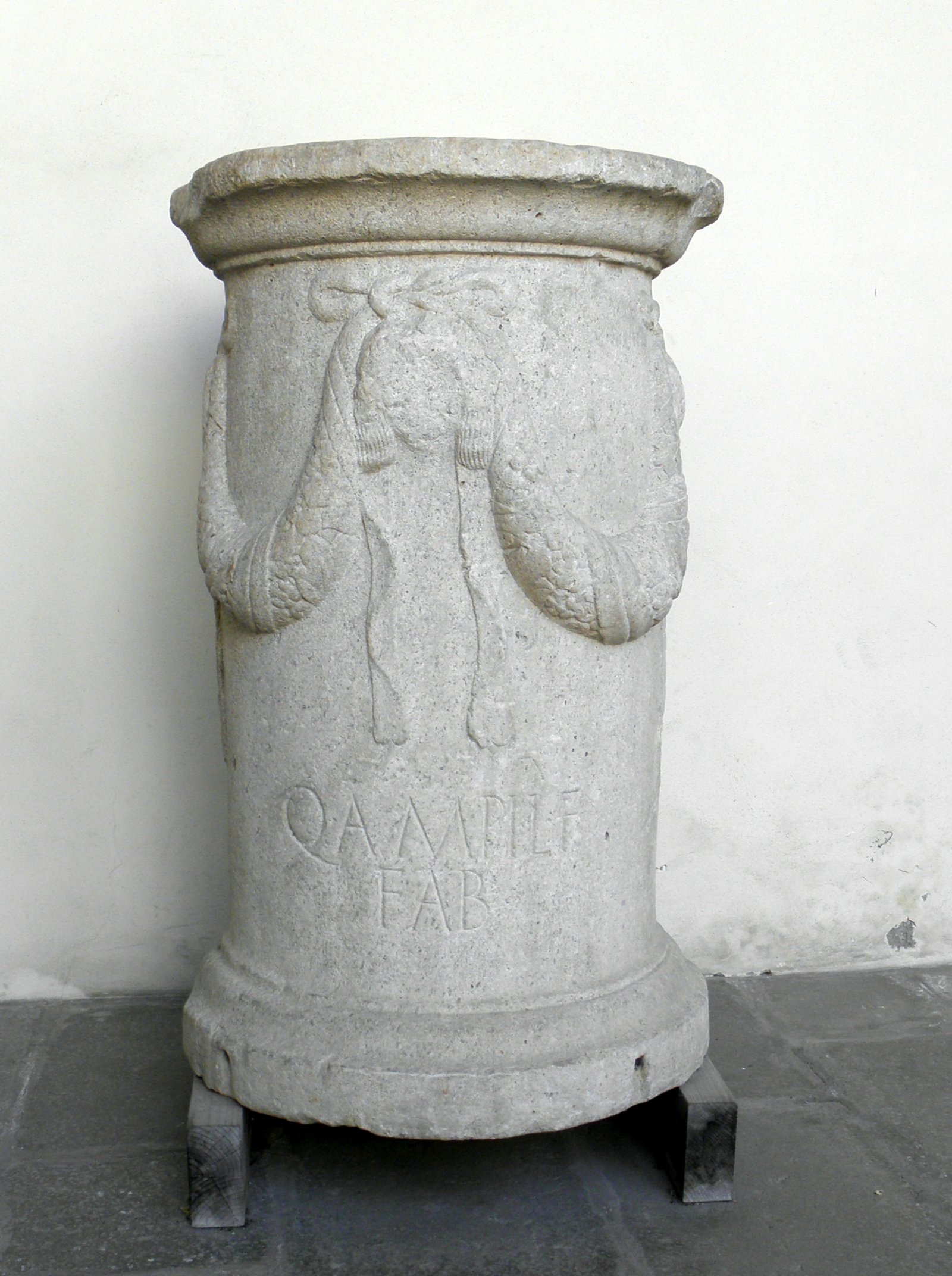
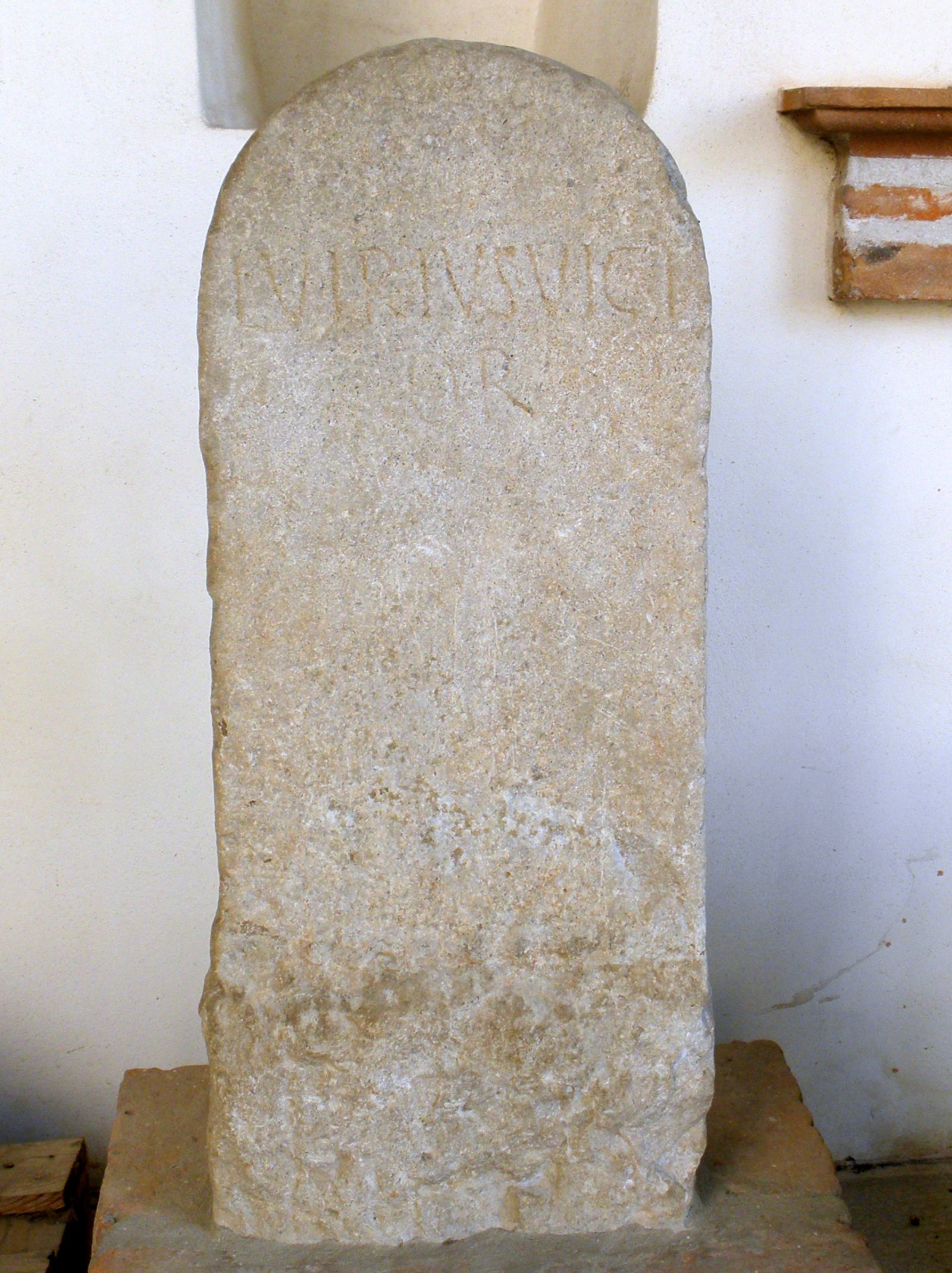
The Museum of the Great Rivers, set up in the rooms of the former Monastery of the Olivetani in Rovigo, former seat of the Civic Museum of Polesine Civilizations, is an archaeological museum that retraces 3500 years of the history of the territory of Middle and Upper Polesine through innovative and interactive languages. The museum presents archaeological finds of great value coming from researches carried out in the Upper and Middle Polesine and organized in five different historical periods the Bronze Age, with the fascinating evidence of the pile-dwelling settlement of Canàr di Castelnovo Bariano, the embanked village of Larda di Gavello and the necropolis of Frattesìna; the Iron Age, which investigates the influences of the Etruscan civilization in the territory of Adria through the settlement of San Cassiano di Crespino and the necropolis of Balone; the Roman Age, which focuses on the exportation to the Polesine area of the cultural, social and economic models of Rome with the reconstruction of the rustic villa of Chiunsano, near Gaiba; the Middle Ages, which focuses on the birth of fortified centres, such as that of Rovigo, and allows us to admire the jewellery which belonged to an Ostrogoth noblewoman, known to scholars as the Lady of Chiunsano. The section on the Renaissance closes the time span, illustrating the profound cultural, social and economic changes that took place in this period, with the diffusion of new architectural trends in the civil and religious spheres, and the story of the famous ceramic painter Francesco Xanto Avelli "da Rovigo". Visiting this museum is an interesting experience to understand the evolution and development of a complex territory whose identity, more than elsewhere, has always been determined by the presence of large and powerful rivers. The Museum of the Great Rivers offers educational workshops and demonstrations of experimental archaeology, including those on the working of bones, flint, clay, glass paste, bronze and precious metals.
Museum of the Great Rivers - Rovigo | Secret World Trip Planner
🗺 AI Trip Planner

Plan your visit to Rovigo

Suggested itinerary near Museum of the Great Rivers

MAJ+
500.000+ travelers worldwide
  1. 🌅
    Morning
    Museum of the Great Rivers
    📍 Rovigo
  2. ☀️
    Afternoon
    Angeli Palace
    📍 0.8 km · Rovigo
  3. 🌆
    Evening
    Cathedral of Rovigo
    📍 0.8 km · Rovigo

Buy Unique Travel Experiences

Powered by Viator

See more on Viator.com

Explore nearby · Rovigo

Frequently Asked Questions

The museum traces 3500 years of history through five distinct periods: the Bronze Age featuring pile-dwelling settlements, the Iron Age showing Etruscan influences, the Roman Age with reconstructed villas, the Middle Ages including the Lady of Chiunsano's jewelry, and the Renaissance period highlighting ceramic painter Francesco Xanto Avelli. Each section uses innovative and interactive displays to present archaeological finds from the Polesine territory.
The museum is housed in the rooms of the former Monastery of the Olivetani in Rovigo, which was previously the seat of the Civic Museum of Polesine Civilizations. This historic religious building provides an atmospheric setting for exploring the region's archaeological heritage.
Key highlights include the Bronze Age pile-dwelling settlement of Canàr, the Iron Age settlement of San Cassiano di Crespino, a Roman rustic villa reconstruction from Chiunsano, and the famous Lady of Chiunsano—an Ostrogoth noblewoman's jewelry collection. The museum also features finds from various necropolises and displays related to Renaissance ceramic artistry.
Yes, the museum offers educational workshops and demonstrations of experimental archaeology where visitors can learn about ancient techniques for working with bones, flint, clay, glass paste, bronze, and other materials. These hands-on experiences help bring 3500 years of regional history to life in an engaging way.
The Museum of the Great Rivers explains that the identity of this complex territory has been fundamentally shaped by the presence of large and powerful rivers throughout history. Visiting the museum provides insight into how these waterways influenced the evolution and development of the region's civilizations across multiple millennia.
