
← Back

Church Of The Blessed Virgin Of Rescue

Piazza XX Settembre, 37, 45100 Rovigo RO, Italia ★★★★☆ 131 views
Sarah Ferguson
Rovigo
🏆 AI Trip Planner 2026

Get the free app

Discover the best of Rovigo with Secret World — the AI trip planner with 1M+ destinations. Get personalized itineraries, hidden gems and local tips. Free on iOS & Android.

🧠 AI Itineraries 🎒 Trip Toolkit 🎮 KnowWhere Game 🎧 Audio Guides 📹 Videos
Download on the App Store Get it on Google Play
Scan to download Scan to download

Religious places · Rovigo

Church Of The Blessed Virgin Of Rescue - Rovigo | Secret World Trip Planner

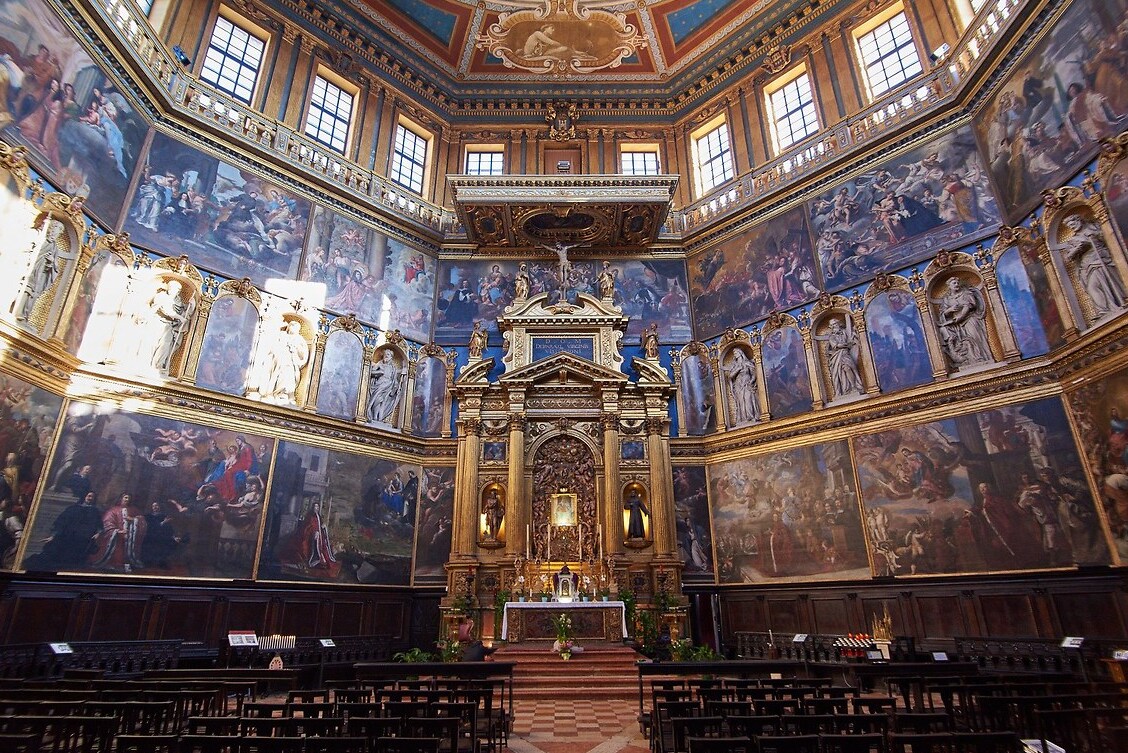
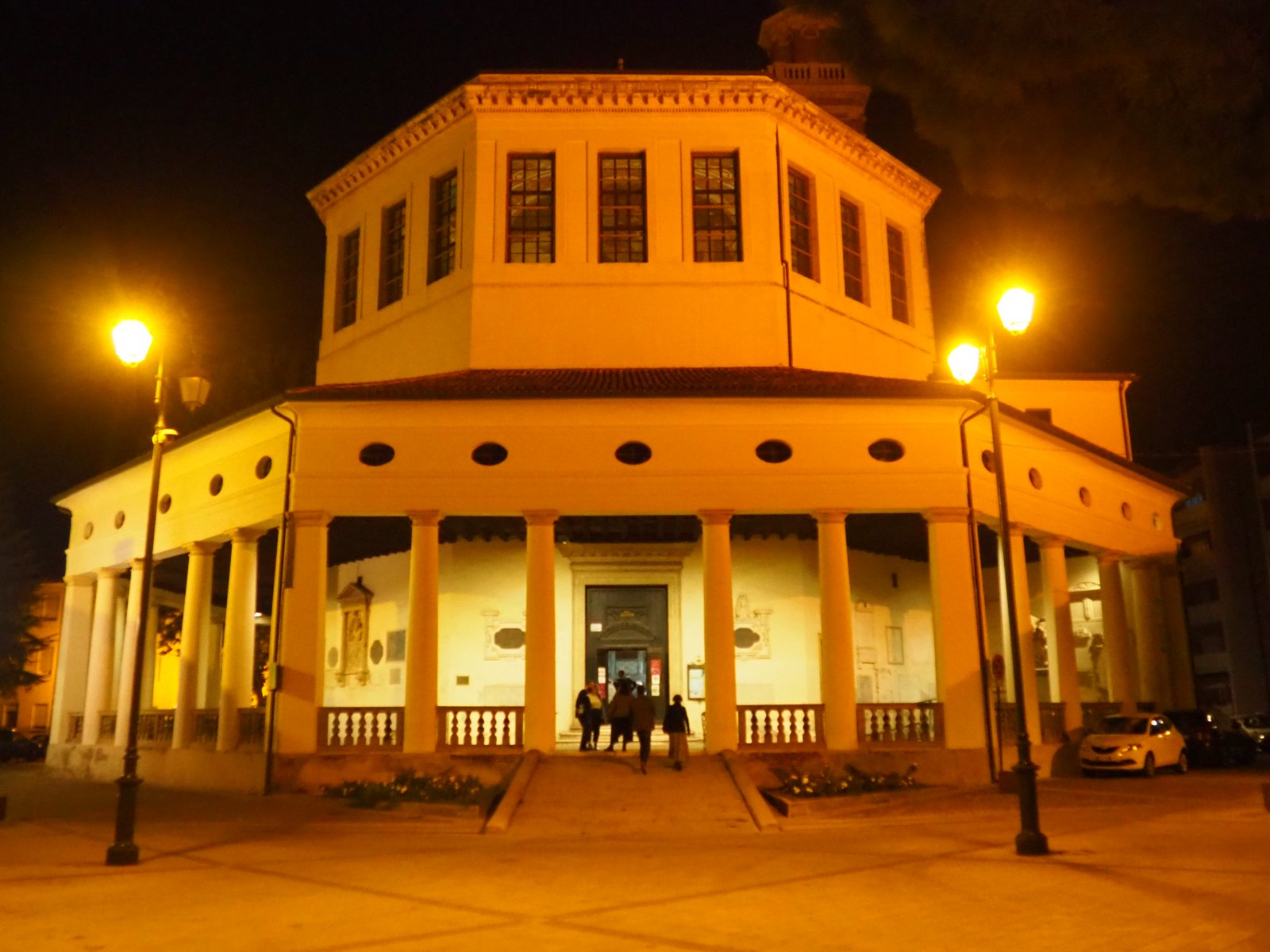
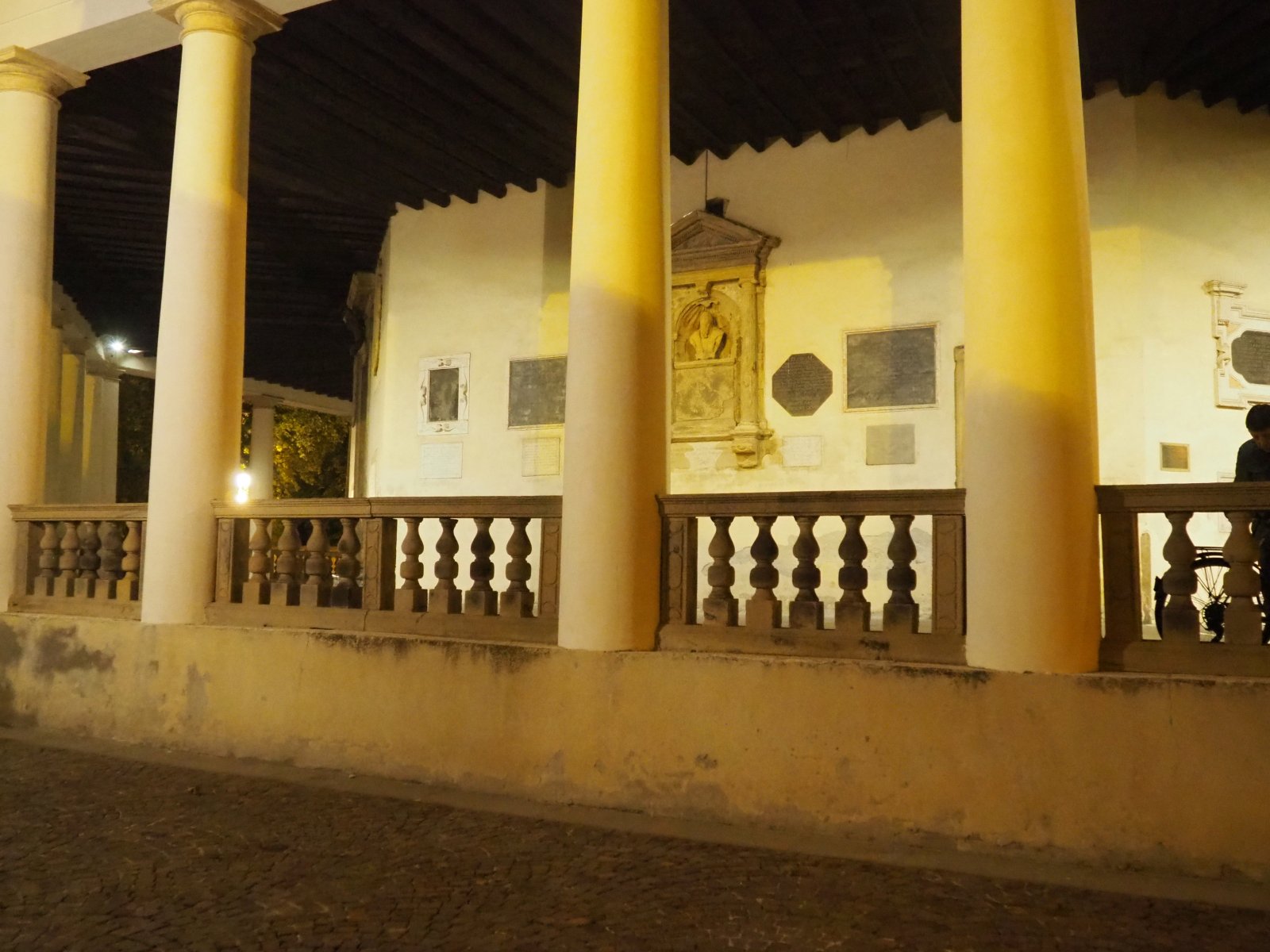
The Church of Beata Vergine del Soccorso, also known as the Rotonda, is one of the most important places of worship in Rovigo. From the outside the octagonal shape is fascinating, but the frescoed interior is the real gem of the building. The church dates back to the years between the sixteenth and seventeenth centuries and was built to preserve the image of the Madonna and Child, strongly venerated by the people of Rovigo, which was frescoed in an oratory named after Santa Maria alle Mura. The form was dictated by the fact that it recalled the redemption wrought by Christ, that is, the seven days of creation plus Easter. The beauty and uniqueness of this church lies also in the fact that there is an external portico of the same shape, although it is interrupted to the east by the sacristy. The designer was Zamberlan who, although not an architect, had collaborated with Palladio in the last years of the latter's life. Zamberlan decided to use few architectural elements in order to make the building externally sober and a spiritual place. As soon as you cross the threshold, however, you find yourself enveloped in a completely different atmosphere: gilded parts and dark frescoes take us back to the Baroque. Next to the building stands the bell tower designed by Longhena, but the work was extremely slow and lasted more than a century. The architect was probably inspired by the bell tower of San Marco in Venice, given the many similarities. Inside there are frescoes both in the lower part (including eight stories of Mary) and in the upper part (where there is only one canvas representing a sacred element). In the median strip there are twenty niches with twenty statues. On the dome there is a fresco representing Charity with the scene of the Rescue of the plague victims, above the main entrance there is Faith and above the altar Hope. The altar is made of wood and was carved directly by a native of Rovigo, Giovanni Caracchio (it is said that the design was provided by Zamberlan, but it seems to clash with the bare idea that he had imprinted on the outside), in about 1607. An unknown artist, he had to face the problem of attracting the attention of the faithful, which in a church with an octagonal plan is by no means trivial. Fortunately at the time pomp and circumstance was used and thanks to the brilliance and grandeur of this, the aim was amply achieved! A curiosity is the Syndicate of the Temple of the Rotunda which is still in force but was established about 5 centuries ago. Body established for its administration. In addition to these there is a nice gnomic hole that allows you to know, through the sunlight that passes through it, the longitude and latitude of the church itself.
Church Of The Blessed Virgin Of Rescue - Rovigo | Secret World Trip Planner
🗺 AI Trip Planner

Plan your visit to Rovigo

Suggested itinerary near Church Of The Blessed Virgin Of Rescue

MAJ+
500.000+ travelers worldwide
  1. 🌅
    Morning
    Church Of The Blessed Virgin Of Rescue
    📍 Rovigo
  2. ☀️
    Afternoon
    Angeli Palace
    📍 0.2 km · Rovigo
  3. 🌆
    Evening
    Academy of Concordi
    📍 0.3 km · Rovigo

Buy Unique Travel Experiences

Powered by Viator

See more on Viator.com

Explore nearby · Rovigo

Frequently Asked Questions

The octagonal design was intentionally chosen by designer Zamberlan to symbolize the redemption wrought by Christ, representing the seven days of creation plus Easter. This unique geometric form extends to an external portico of the same shape, making the church architecturally distinctive in Rovigo.
The interior features remarkable frescoes throughout: eight stories of Mary in the lower section, twenty niches with statues in the median strip, and sacred imagery in the upper dome. The dome itself displays a fresco of Charity depicting the Rescue of plague victims, while Faith appears above the main entrance and Hope above the altar.
The church was designed by Zamberlan, who collaborated with the famous architect Palladio in his later years, though Zamberlan himself was not formally trained as an architect. The impressive bell tower alongside the church was designed by Longhena and inspired by the bell tower of San Marco in Venice, though its construction took over a century to complete.
The church was constructed between the sixteenth and seventeenth centuries specifically to preserve and honor a venerated fresco of the Madonna and Child that was originally in an oratory called Santa Maria alle Mura. The building was created as a response to the strong devotion the people of Rovigo had for this sacred image.
The exterior is deliberately sober and minimalist, reflecting Zamberlan's design philosophy to create a spiritual atmosphere with few architectural embellishments. However, upon entering, visitors are enveloped in a completely different Baroque atmosphere with gilded parts and dark frescoes that create a richly decorated interior experience.
