
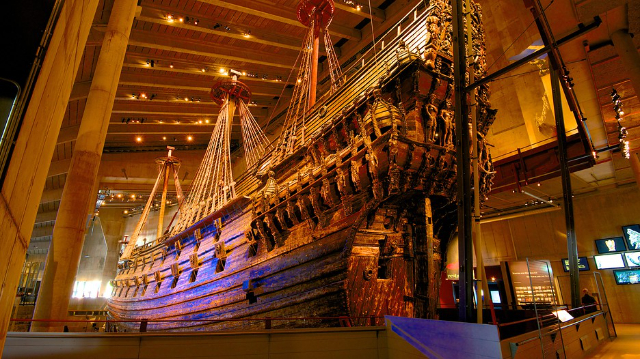

In the heart of Stockholm lies a maritime time capsule, the Vasa Museum (Vasamuseet), which draws visitors from around the globe to witness the grandeur of a 17th-century warship that met an untimely fate. The Vasa is not just a ship; it's a story of ambition, tragedy, and preservation that has become an integral part of Sweden's cultural tapestry.
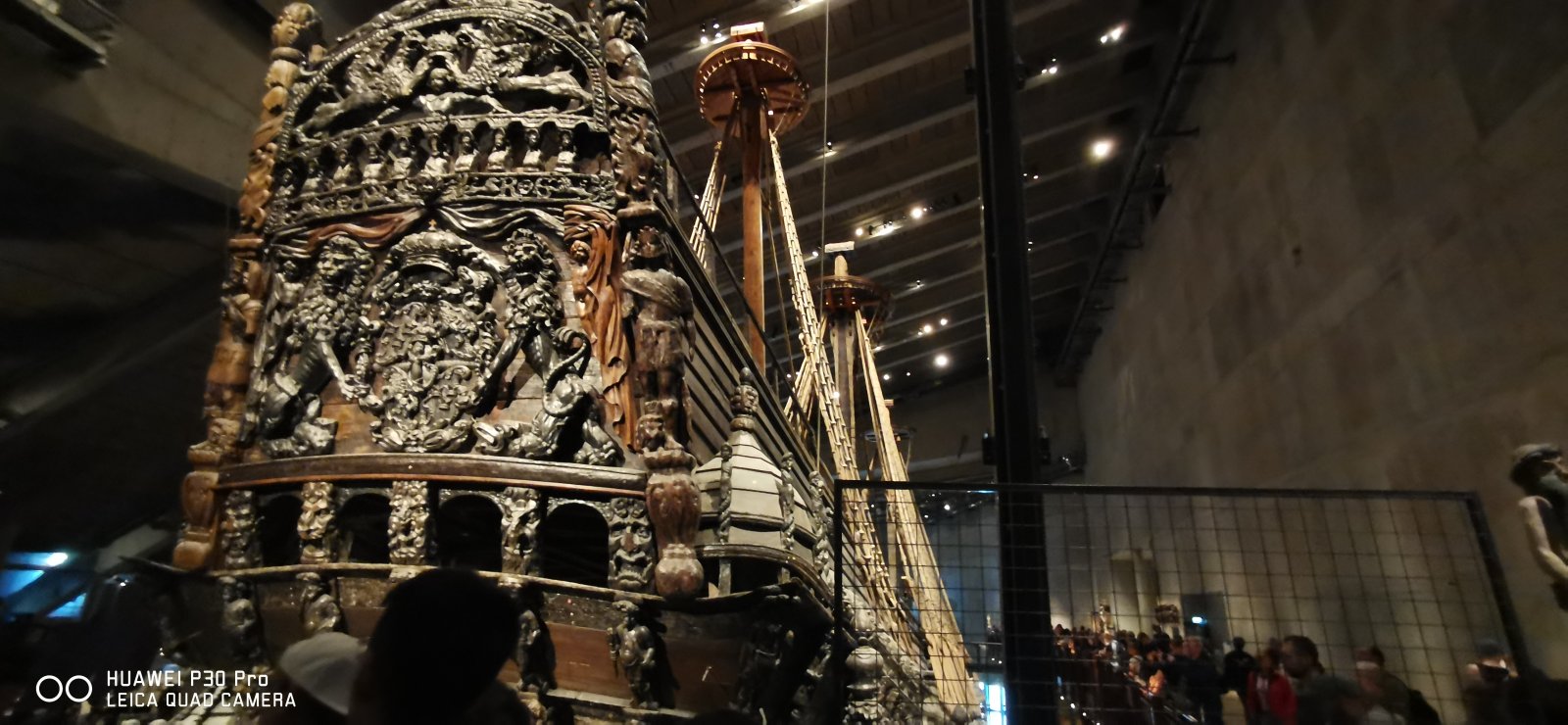
The tale of the Vasa begins in the early 17th century, during the reign of King Gustavus Adolphus of Sweden. As a demonstration of Sweden's naval might, the king commissioned this grand warship in 1626. The Vasa was designed to be a floating fortress, adorned with elaborate carvings and equipped with formidable firepower. However, on August 10, 1628, during her maiden voyage, she capsized and sank in the Stockholm harbor due to instability and design flaws. For over three centuries, the Vasa lay forgotten beneath the waters of Saltsjön Bay, until her rediscovery and salvage in 1961 turned her into one of the most well-preserved ships of its era.
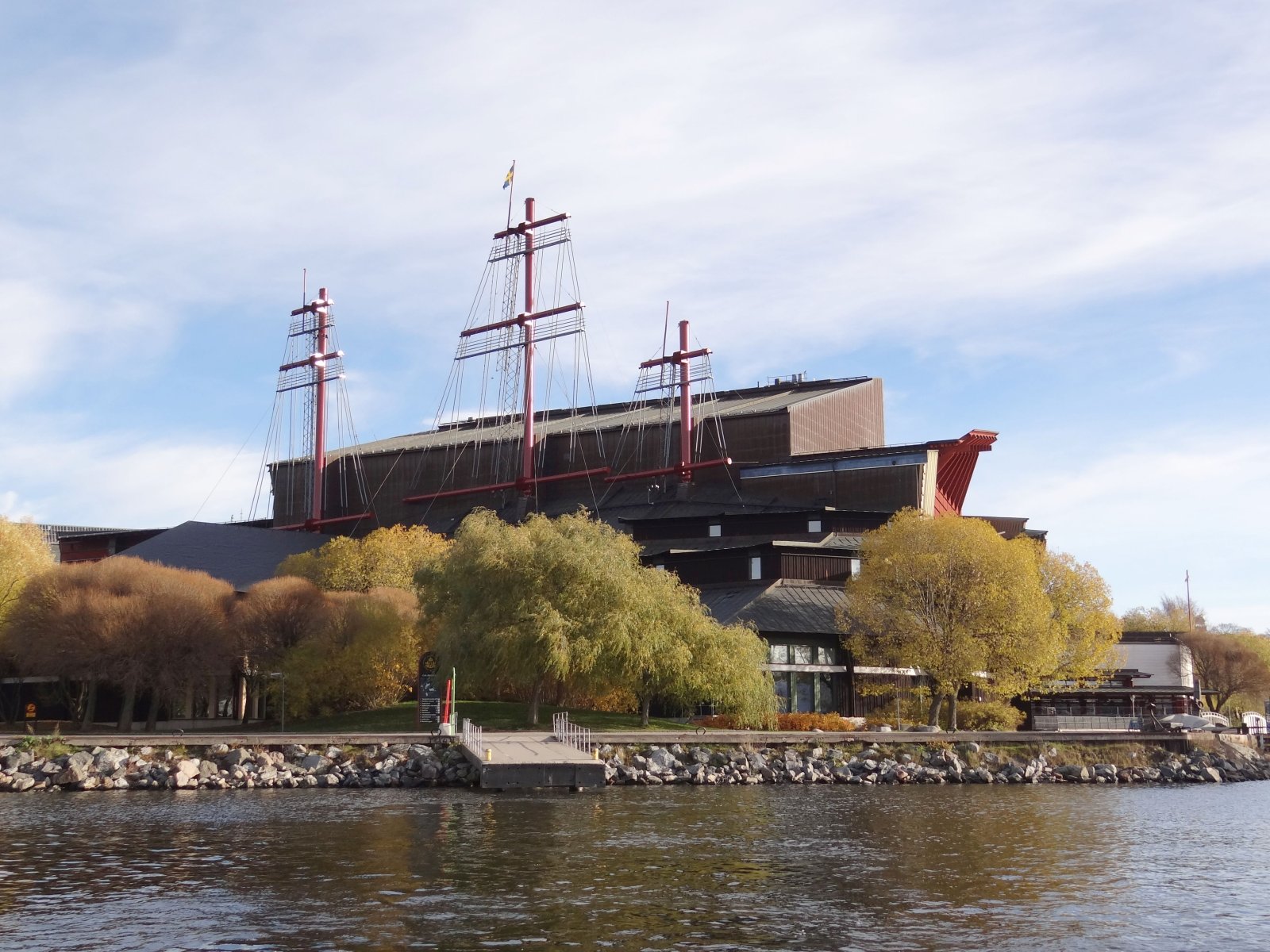
The architecture of the Vasa Museum itself is a marvel, designed by the Swedish architects Marianne Dahlbäck and Göran Månsson. Opened in 1990, the museum's imposing structure mimics the lines of the ship it houses, with a roof that resembles sails billowing in the wind. Inside, the museum's dim lighting and dark wood create an atmosphere reminiscent of the ship's own decks, allowing visitors to step back in time. The Vasa, with its intricate wood carvings and statues, is a testament to the artistic craftsmanship of the era, many pieces of which depict biblical scenes and mythical creatures, reflecting the ship’s dual role as a war machine and a symbol of royal power.
Stockholm's vibrant cultural landscape is reflected in the Vasa Museum's surroundings. The city celebrates its maritime heritage with annual events such as the Stockholm Archipelago Festival, where traditional sailing races and music performances bring the past to life. Locals cherish their history, and the museum is a focal point during these festivities, offering insight into Sweden's naval legacy.
Nearby, visitors can indulge in the local gastronomy, which offers a taste of Sweden's rich culinary traditions. After an immersive tour of the Vasa, a stroll through Stockholm's charming streets might lead you to a cozy café serving kanelbullar (cinnamon buns) or a restaurant offering gravadlax (cured salmon). Pair these with a glass of glögg (spiced wine) during the winter months, and you have a quintessential Swedish experience.
Beyond the well-trodden paths, the Vasa Museum harbors lesser-known curiosities. Discover how the ship's vibrant paintwork was reconstructed using microscopic paint analysis, illuminating the vibrant colors that once adorned the Vasa. Another fascinating aspect is the collection of personal artifacts recovered from the wreck, including sailor's tools, clothing, and even a board game, offering a glimpse into the daily lives of those aboard.
For those planning a visit, the Vasa Museum is open year-round, but the best time to visit is during the spring or early autumn when the weather is pleasant, and the city is less crowded. Arrive early to avoid the midday rush and take advantage of guided tours that delve deeper into the ship's history and preservation efforts. Don’t miss the short film about the Vasa's history and the museum's efforts to conserve this invaluable piece of maritime heritage.
As you leave the Vasa Museum, the echoes of history linger, a reminder of the ship's enduring legacy and the meticulous care taken to preserve it. The Vasa is more than a relic; it is a symbol of Sweden's past, a story of human endeavor and resilience, waiting to be discovered by all who visit.


