
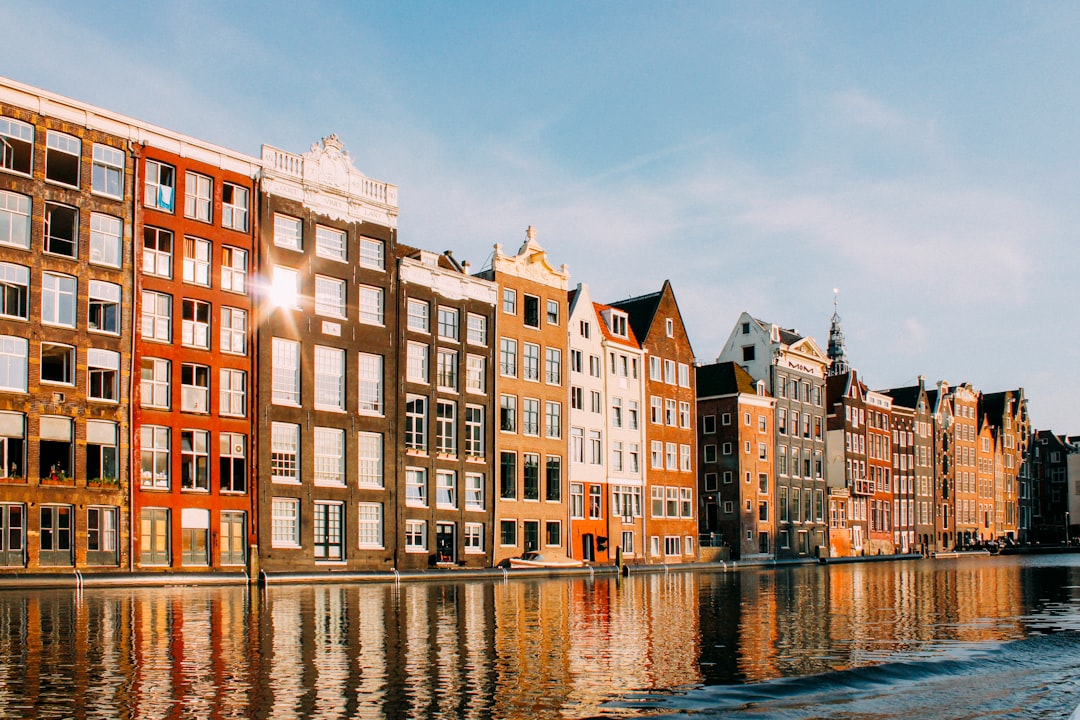

Amsterdam in 2026 is a city that is visited in a completely different way compared to ten years ago. The canals of Jordaan, the Rijksmuseum with its collection of Rembrandt and Vermeer, Anne Frank's House on Prinsengracht: these places have existed for decades, but the way travelers discover, reach, and experience them has changed radically. Today, those planning a trip to Amsterdam have access to artificial intelligence tools capable of building personalized itineraries in seconds, suggesting optimal times to avoid queues, and even telling the story of a building while standing in front of it.
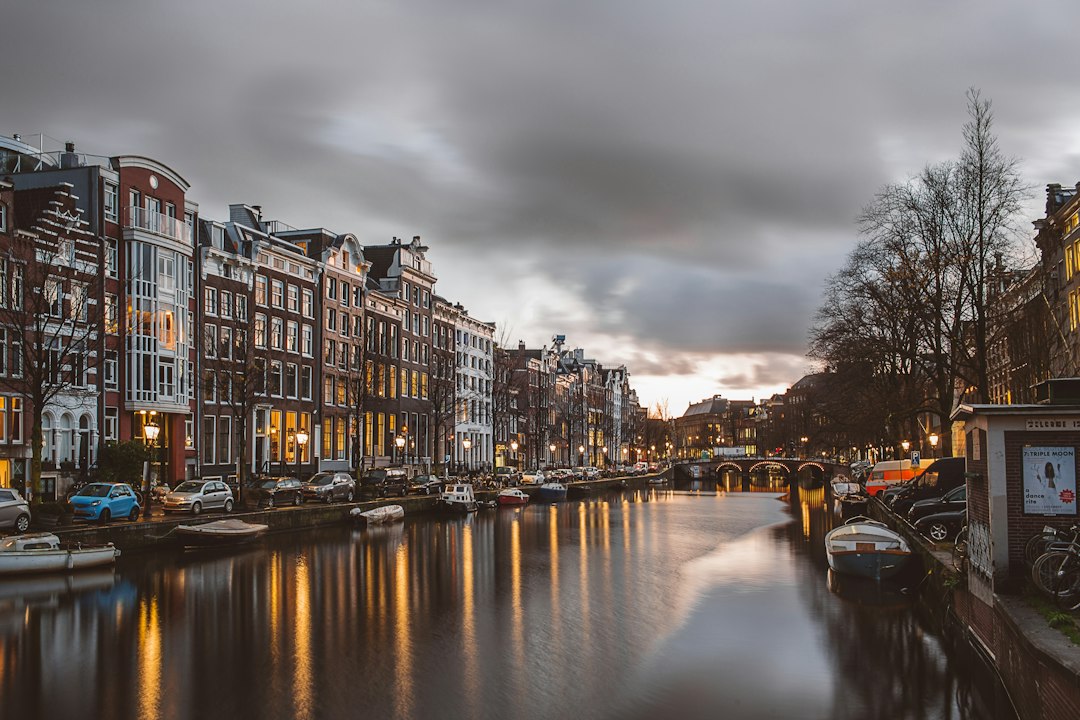
The classic problem of Amsterdam is tourist concentration: Museumplein, where the Rijksmuseum, the Van Gogh Museum, and the Stedelijk Museum are located, attracts millions of visitors every year, and without precise planning, one risks spending hours waiting. A ticket for the Van Gogh Museum costs about 22 euros and must be booked weeks in advance. The Rijksmuseum, open from 9:00 AM to 5:00 PM, requires at least three hours for a complete visit. Knowing these details before departing makes the difference between a frustrating trip and a memorable experience. And this is exactly where artificial intelligence applied to travel shows its real value.
Amsterdam neighborhood by neighborhood: how to navigate without getting lost
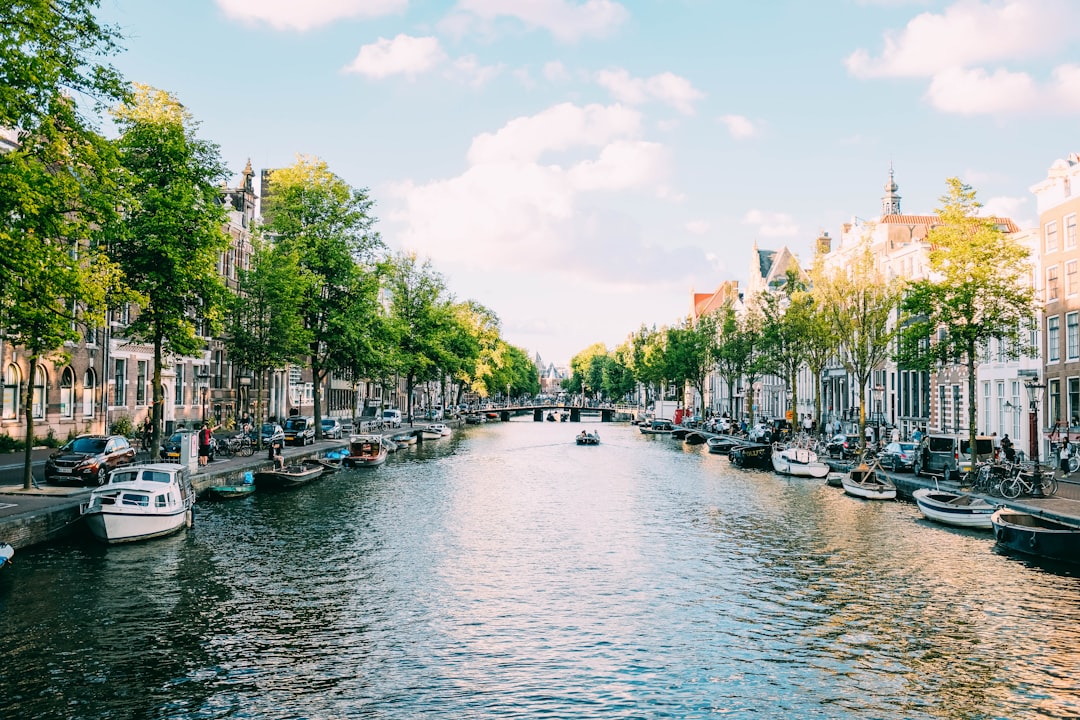
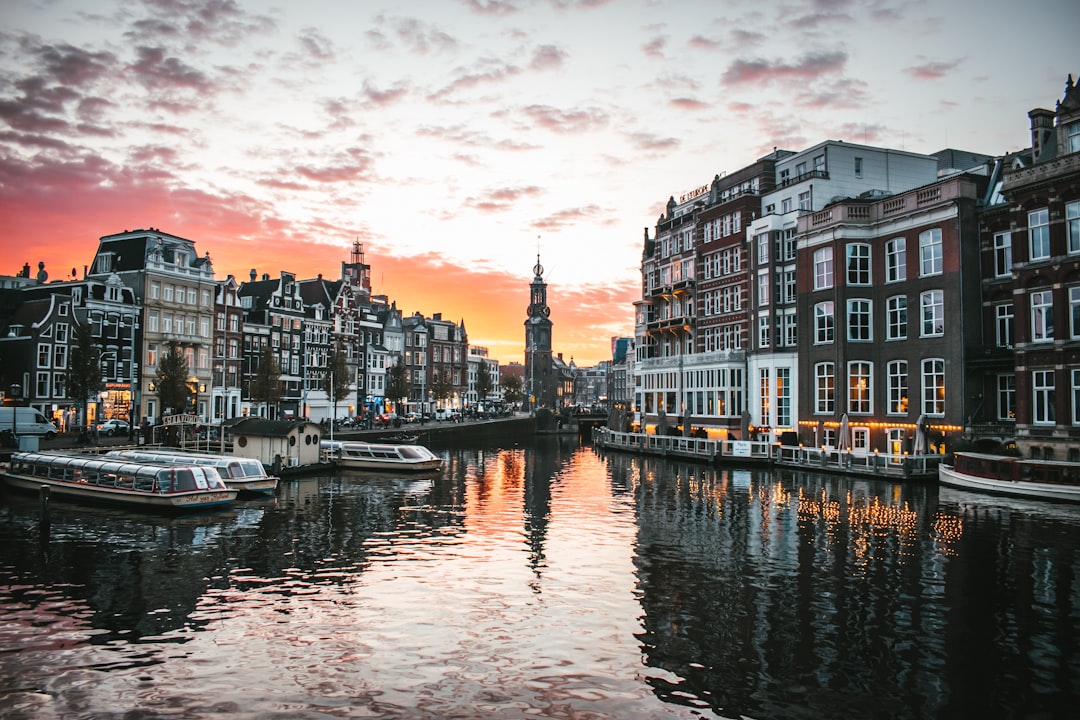
Amsterdam is a compact yet dense city. From the historic center to De Pijp, the bohemian neighborhood famous for the Albert Cuyp Market, it takes about 20 minutes on foot. The Jordaan, with its narrow canals and independent art galleries, can be reached in 10 minutes from the Central Station. The Oud-Zuid area hosts the Museumplein and the city's most sophisticated restaurants. Each neighborhood has a precise character, and visiting them in the wrong order means wasting time and energy.
Planning an itinerary in Amsterdam taking into account distances, opening hours, and personal preferences is exactly the type of task in which artificial intelligence excels. Tools like Secret World allow you to generate customized itineraries based on the number of available days, the traveler's interests, and even the expected weather. These are not generic lists, but concrete routes that take into account real logistical details.
The Rijksmuseum and the Van Gogh Museum: how to visit them stress-free in 2026
The Rijksmuseum is one of the most important museums in Europe: it houses over 8,000 works including The Night Watch by Rembrandt, a painting nearly 4 meters by 3.5, which alone is worth the trip. The museum is open every day and the ticket costs about 22.50 euros. The best strategy is to arrive at opening time at 9:00 AM or after 3:00 PM, when the crowd thins out. The Van Gogh Museum, just a short walk away, displays over 200 paintings and 500 drawings by the Dutch painter: it is advisable to book online at least two weeks in advance, especially during peak season.
With Secret World, the AI-based travel app, you can access over 1 million destinations cataloged and receive real-time suggestions on when to visit each attraction. The KnowWhere feature uses aggregated data to indicate the times of least crowding in specific places like Museumplein, while the integrated audio guides tell the story of the works directly from the app, without the need to rent additional devices on-site.
Beyond the Canals: The Attractions of Amsterdam That Tourists Often Ignore
The NEMO Science Museum, with its characteristic green ship shape overlooking the harbor, is one of the most visited museums by locals but often overlooked by foreign tourists. The ticket costs about 17.50 euros and the panoramic terrace on the roof is free. Micropia, the only museum dedicated to microorganisms in the world, is located next to the Artis zoo and offers a completely different experience from the classic museum visit. The Begijnhof, a hidden medieval courtyard in the city center, is free and accessible during the day: few know it exists.
Finding these hidden gems requires time and research, or a tool that already knows them. Secret World is designed exactly for this: its AI-generated itineraries include not only the main attractions but also lesser-known places selected based on the traveler's profile. If one prefers history over contemporary art, or if traveling with children, the algorithm automatically adjusts the suggestions, creating a coherent and realistic route.
How AI is Changing Travel Planning in Amsterdam
The difference between using a paper guide and an AI assistant in 2026 is not just technological: it is substantial. A traditional guide offers static information; an AI-based system like Secret World updates data in real-time, answers specific questions, and builds a personalized travel plan in just a few minutes. For a city like Amsterdam, where prices change seasonally and queues vary by the hour, having up-to-date information is essential.
If you are planning a trip to Amsterdam in 2026 and want to experience the city authentically, without wasting time in unnecessary queues or visiting only the most obvious attractions, download Secret World for free. Access AI itineraries, integrated audio guides, and the KnowWhere feature to discover Amsterdam as those who truly live there know it. Smart planning starts before you board the plane.


