
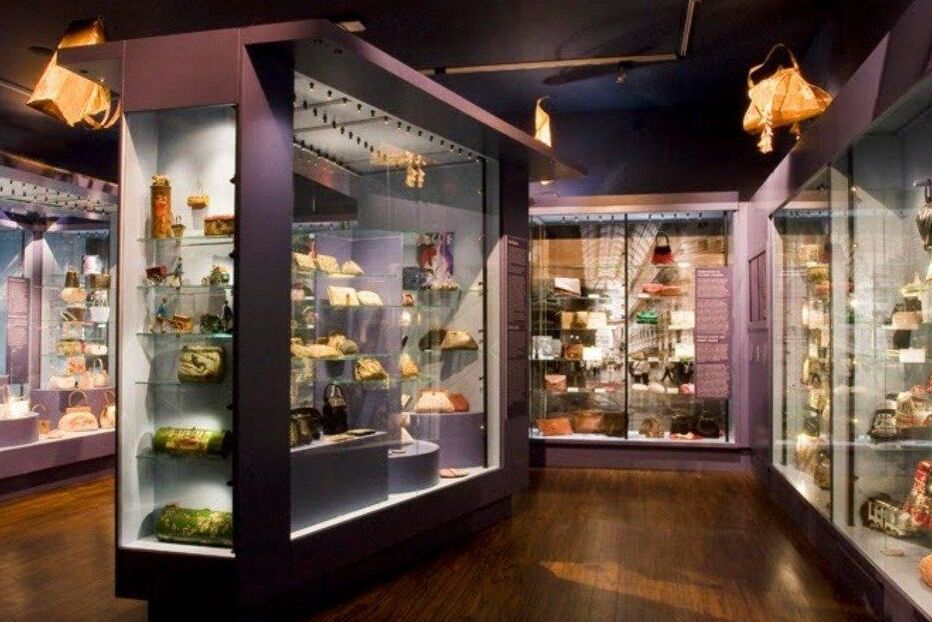

Nestled in the heart of Amsterdam, the Bag and Purse Museum invites visitors on an enchanting journey through the history of handbags and purses. This unique museum, founded by Hendrikje Ivo, showcases an incredible collection that spans centuries, offering a glimpse into the evolution of fashion accessories and their cultural significance.
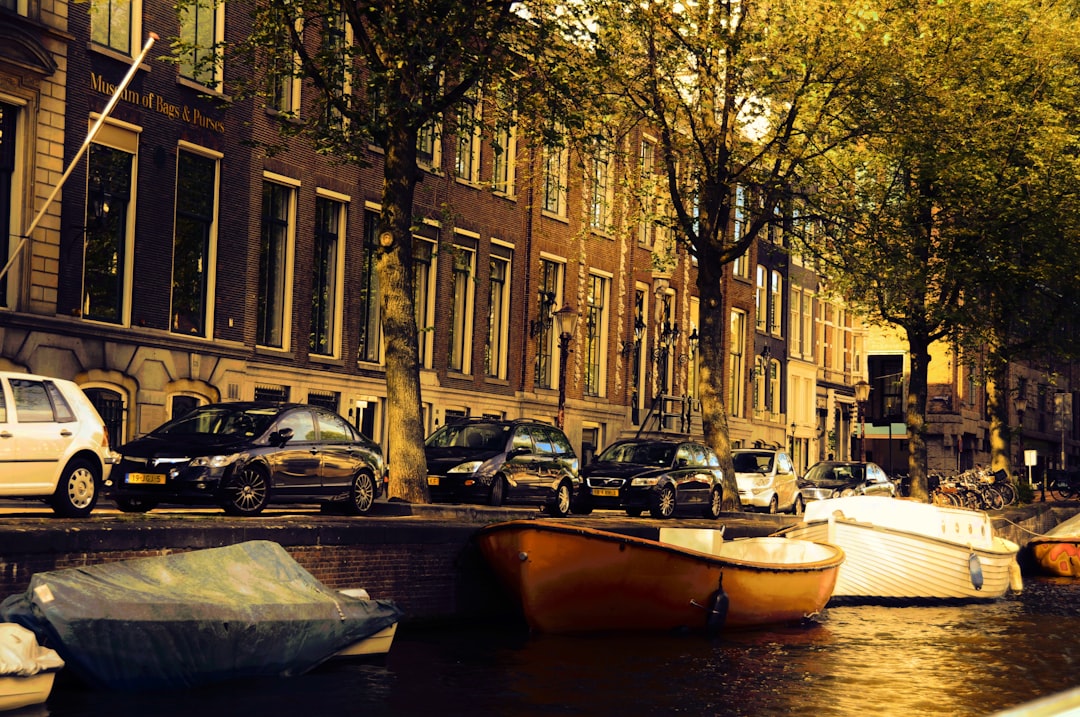
The museum's origins trace back over 35 years when Ivo stumbled upon an extraordinary early 19th-century bag in an English country antiques shop. This serendipitous find ignited her passion for collecting, leading her to delve deep into the history of women’s bags. As her collection grew, Ivo opened her home to the public, allowing others to share in her fascination. In 2007, bolstered by the support of an anonymous donor, she relocated the collection to its current site in a stunning 17th-century canal house on Herengracht, one of Amsterdam’s most famous canals. Today, the museum attracts over 80,000 visitors annually, eager to explore its treasures.
The architectural style of the museum is quintessentially Dutch, showcasing the Golden Age of architecture with its elegant gables and ornate facades. Inside, the museum offers a warm, inviting atmosphere where visitors can meander through rooms lined with exquisite displays. Each exhibit is thoughtfully curated, highlighting not just the bags themselves, but also the social contexts in which they were used. From the 16th-century embroidered silk bags to the rare 15th-century gothic bag clasp discovered in Belgium, every piece tells a story of craftsmanship and artistry.
The cultural significance of handbags and purses extends beyond mere fashion statements; they are symbols of identity, status, and societal change. In Amsterdam, where local customs often intertwine with history, the museum serves as a reminder of the evolving roles of women through the ages. Visitors can learn about the various styles that have emerged in response to cultural shifts, such as the Victorian era's intricate designs, which reflected the elaborate fashion of the time, or the minimalist styles that emerged in the 20th century, indicative of changing societal values.
The museum also celebrates the local culture of Amsterdam through its programming. Events often coincide with traditional Dutch festivals such as King's Day and Sinterklaas, where visitors might find special exhibitions that explore the role of bags in these celebrations. The museum acts as a cultural hub, engaging with the community and showcasing local artisans who continue the tradition of bag-making in innovative ways.
No visit to the Bag and Purse Museum would be complete without indulging in the local gastronomy. While the museum itself does not have a café, nearby eateries offer a taste of Amsterdam's culinary delights. Visitors might enjoy stroopwafels, a beloved Dutch treat made of two thin waffles filled with a syrupy caramel, or sample haring, raw herring fish served with onions and pickles. Pairing these delicacies with a glass of Dutch gin—known as jenever—can round off a delightful day of exploration.
For those seeking lesser-known curiosities, the museum offers a treasure trove of hidden details. Among the collection, you’ll discover a series of bags that reflect the changing roles of women, such as the purse used by suffragettes in the early 20th century, symbolizing their fight for women's rights. Additionally, the museum features a section dedicated to the artistry and craftsmanship of bag-making, highlighting techniques that have been passed down through generations.
Visitors planning a trip to the Bag and Purse Museum should know that the best time to visit is during weekdays when crowds are thinner, allowing for a more intimate experience with the exhibits. The museum provides guided tours, which offer deeper insights into specific pieces and their historical contexts. Be sure to look for the interactive displays that engage visitors of all ages, making it a family-friendly outing.
To make the most of your experience in Amsterdam, consider exploring the nearby Jordaan district after visiting the museum. With its charming streets, independent boutiques, and canal-side cafés, it is a perfect complement to the art and history found within the museum's walls.
As you plan your visit, consider using the Secret World app to create a personalized itinerary that captures the essence of Amsterdam's rich cultural landscape.


