
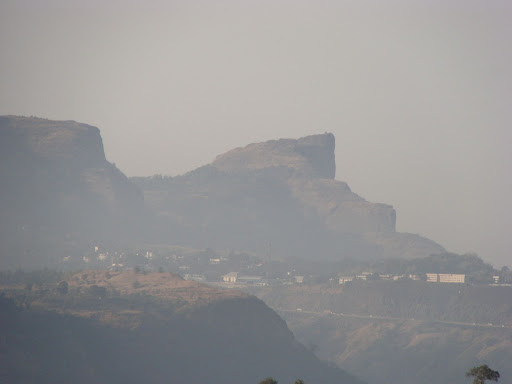

Perched majestically over the lush Western Ghats of Maharashtra, Nagphani, also known as Duke's Nose, offers an exhilarating peek into the natural and cultural tapestry of India. This stunning cliff, strikingly reminiscent of a cobra's hood, emerges as a compelling destination for both history enthusiasts and adventure seekers.
The origins of Nagphani are steeped in mythology and local lore. The name itself is a tribute to the serpent symbolism associated with Lord Shiva, a major deity in Hinduism. Local tradition holds that the shape of the cliff is a divine manifestation, reflecting the protective hood of the cobra often depicted alongside Shiva. Historically, the region around Lonavala has been significant as a strategic vantage point. The Maratha Empire under Chhatrapati Shivaji Maharaj utilized this rugged terrain for its forts and watchtowers, although direct historical records of Nagphani's involvement remain elusive.
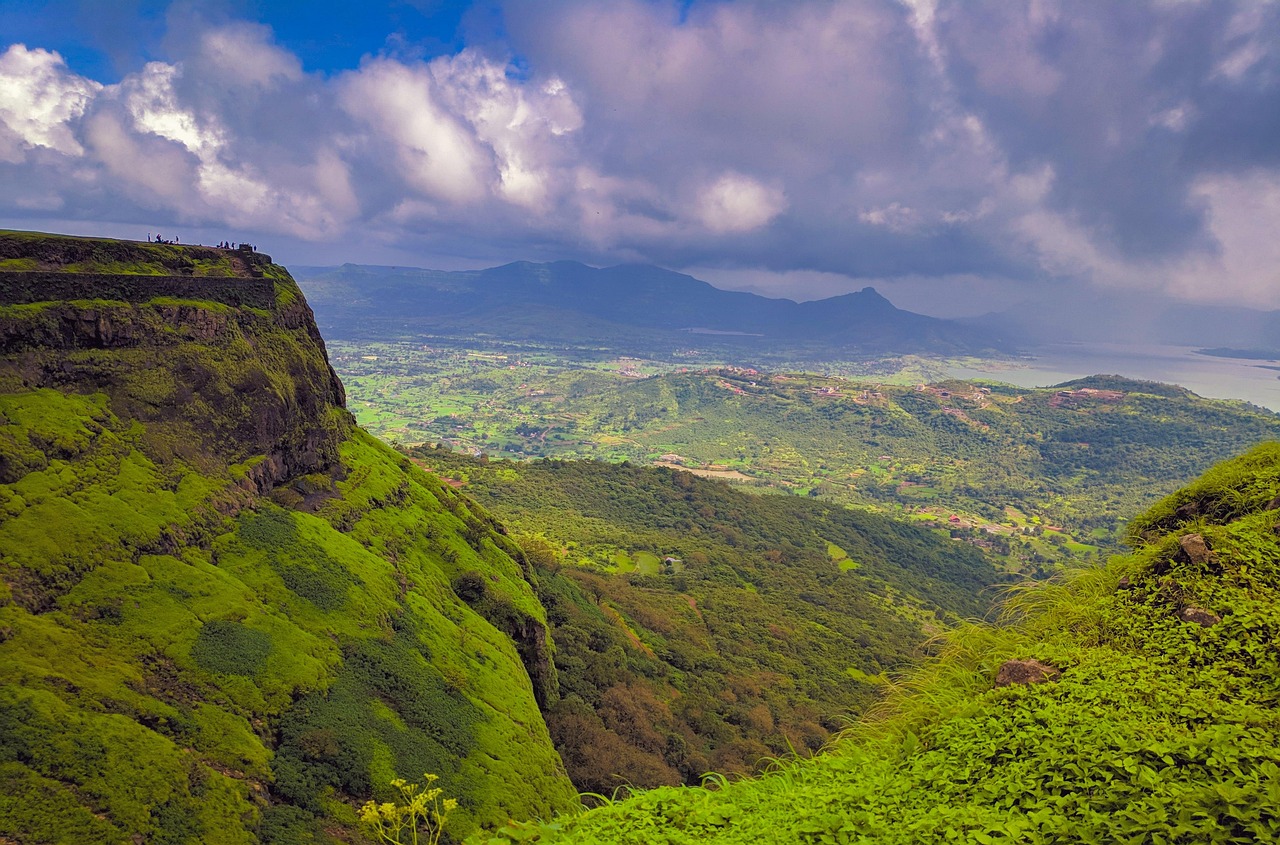
Architecturally, Nagphani is not a man-made marvel but a natural spectacle sculpted by erosion over millennia. Its dramatic silhouette against the sky is a testament to the grandeur of the Sahyadri ranges. While the cliff itself may lack human-built structures, the surrounding region is dotted with ancient caves and forts, like the Karla Caves and Lohagad Fort, which showcase intricate rock-cut architecture and offer a glimpse into the artistic sensibilities of ancient Indian civilizations.
Culturally, Nagphani is a microcosm of the Maharashtrian ethos. The local populace, predominantly from the Marathi community, celebrates festivals like Ganesh Chaturthi and Makar Sankranti with vibrant enthusiasm. These festivals are characterized by traditional music, dance, and the preparation of local delicacies, which are shared among family and friends. The warmth and hospitality of the locals often leave a lasting impression on visitors.
The gastronomy in the vicinity of Nagphani is a delightful exploration of Maharashtrian cuisine. Visitors must try Vada Pav, often dubbed as the Indian burger, and Misal Pav, a spicy curry made from sprouted lentils. Another regional specialty is Bhakri, a type of flatbread prepared from jowar or bajra, usually served with spicy chutneys and pickles. The monsoon showers bring with them the aromatic Bhutta (corn on the cob), roasted and smeared with lime and chili powder, a favorite snack among trekkers.
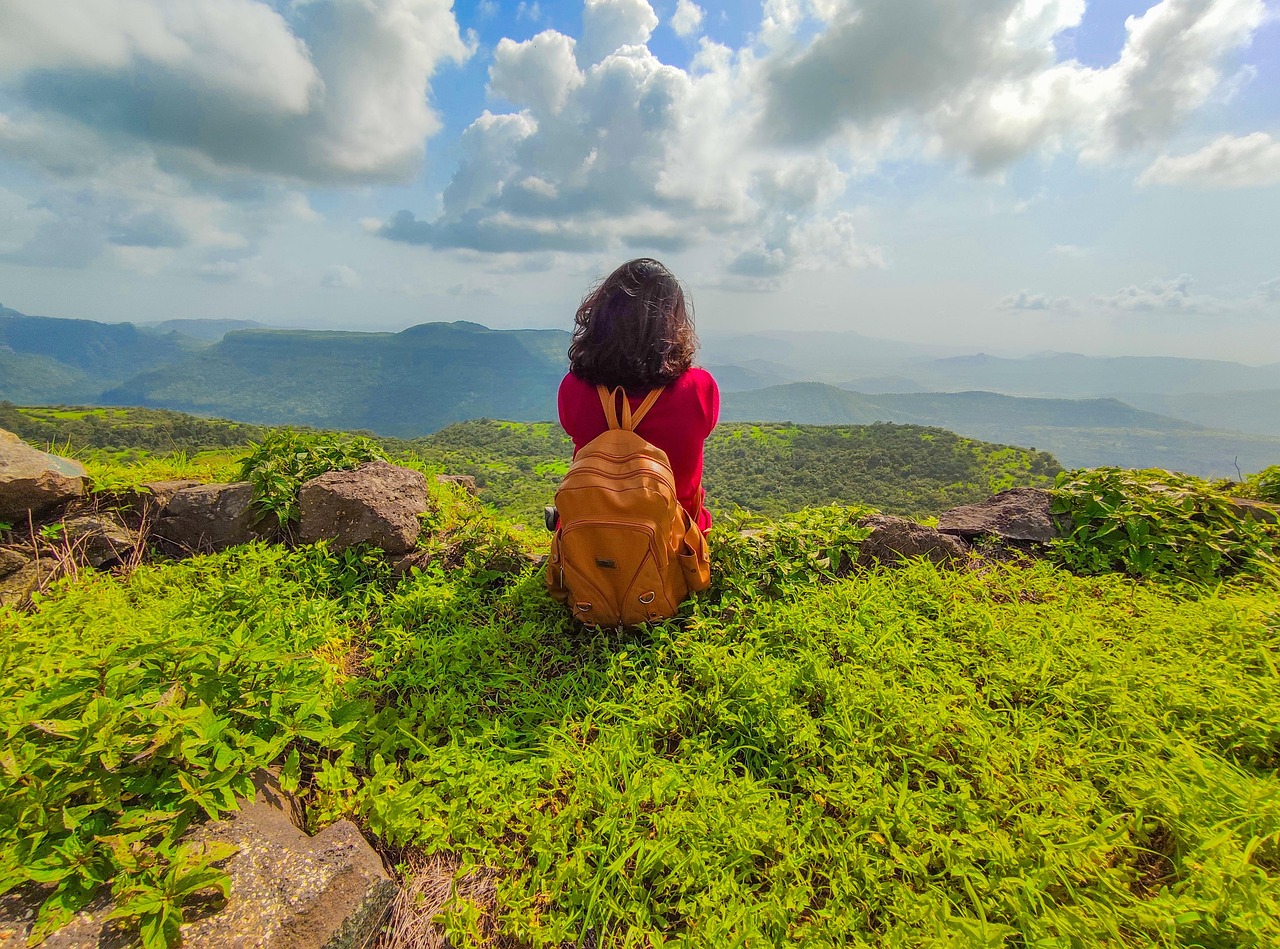
Hidden within the folds of Nagphani's allure are lesser-known curiosities. Few visitors realize that the name Duke's Nose was coined during the British Raj in honor of the Duke of Wellington, who, incidentally, had a prominent nose. The area is also a hotspot for thrill-seekers, offering opportunities for rock climbing and rappelling. The cliff's sheer drop and panoramic views make it a sought-after location for photography and meditation, particularly during sunrise and sunset when the landscape is bathed in golden hues.
For those planning a visit, the best time to explore Nagphani is during the monsoon months, from June to September, when the surrounding landscape is lush and vibrant. However, the post-monsoon period from October to March also offers pleasant weather for trekking and sightseeing. Visitors should wear sturdy shoes and carry water, as the trek can be challenging, especially when the trails are slippery.
While approaching Nagphani, trekkers should look out for the diverse flora and fauna, including various species of birds and butterflies. The Lonavala region is also home to medicinal plants used in traditional Ayurvedic treatments. It's advisable to start early in the day to avoid the afternoon sun and to ensure ample time for absorbing the breathtaking views.
In essence, Nagphani is more than just a geographical landmark; it is a confluence of nature, history, and culture. Its unique shape and storied past invite visitors to linger and reflect, offering an unforgettable experience that resonates with the soul of Maharashtra.


