
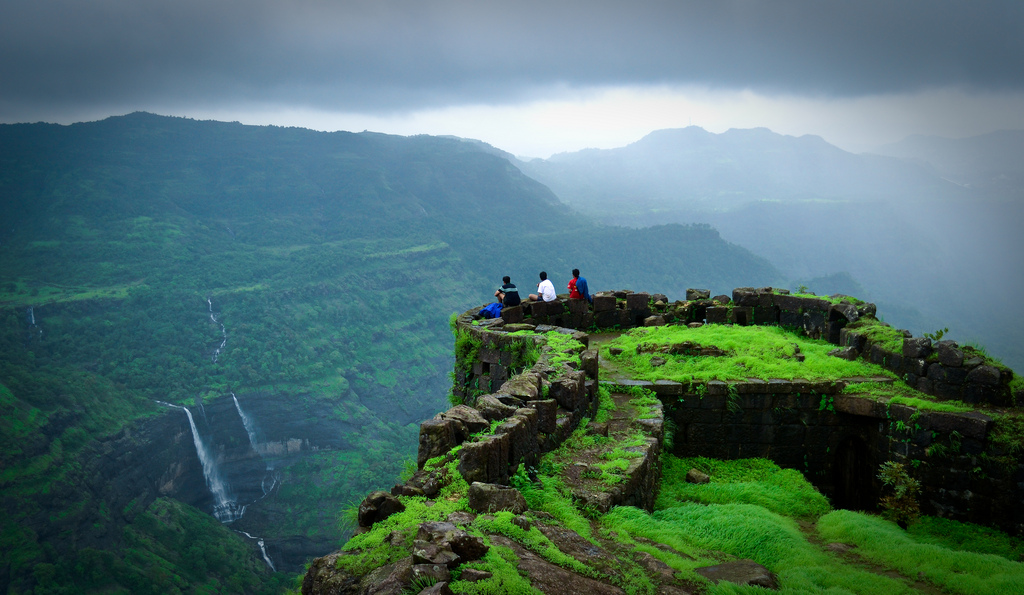

Nestled in the heart of the rugged Sahyadri mountains, Rajmachi Fort (Killa) is a testament to India's rich history and breathtaking natural beauty. This majestic fort comprises two twin fortresses: Shriwardhan Ballekilla and Manaranjan Balekilla, surrounded by a stunning plateau known as machi. The fort's origins date back to the 17th century when it was strategically built by Chhatrapati Shivaji Maharaj, the founder of the Maratha Empire, to guard the trade routes between Konkan and the Deccan plateau. As you wander through its ancient stone walls, you can almost hear the echoes of battles fought for control of this vital region.
The architecture of Rajmachi Fort is a reflection of the Maratha style, characterized by its sturdy stone constructions and strategic placements. The fortifications include massive walls and bastions designed to withstand sieges, with an impressive view of the surrounding valleys and hills. Notably, the twin fortresses showcase unique architectural features like the step wells and caves carved into the rock, serving as storerooms and shelters. The fort also houses ancient temples, with intricate carvings that speak volumes about the craftsmanship of the time.
In terms of local culture, the small village of Udhewadi, situated at the southern foot of Manaranjan Balekilla, is home to a warm and welcoming community of about 22 families. The villagers maintain their traditions and customs, particularly during local festivals. One significant celebration is Makar Sankranti, where vibrant kites fill the sky, symbolizing the end of winter and the onset of the harvest season. The people of Udhewadi also participate in Ganesh Chaturthi, transforming the village into a hub of festivities, music, and traditional dance.
No exploration of Rajmachi would be complete without indulging in its gastronomy. The region offers a variety of local dishes, with pithla bhakri being a must-try. This simple yet delicious meal consists of gram flour curry served with jowar (sorghum) flatbread, often accompanied by spicy green chutney. Another local favorite is vada pav, a spicy potato fritter served in a bun, perfect for a quick snack after a long trek. Additionally, don't miss out on traditional maharashtrian sweets like modak, typically made during festive occasions.
Among the lesser-known curiosities of Rajmachi Fort is the legend of the Rani Durgavati, a queen who is said to have hidden treasures in the fort during her reign. Many believe the hidden gems lie beneath the fort's stone structures, attracting treasure hunters. Another fascinating detail is the fort's historical significance during the Second Anglo-Maratha War in the early 19th century, when it played a crucial role in the Maratha resistance against British expansion.
For those planning a visit, the best time to trek to Rajmachi Fort is during the monsoon season (June to September), when the landscape transforms into a lush green paradise. The waterfalls cascading down the hills create a picturesque scene that is simply unforgettable. There are two main trekking routes: the more challenging path from Kondivade village, which ascends approximately 2000 feet, and the easier route from Lonavala, which offers a gentler incline. Regardless of the chosen path, be sure to wear comfortable trekking shoes and carry plenty of water to stay hydrated.
While at Rajmachi, take time to explore the fort’s interior and capture the breathtaking views from the ramparts. Look for the remnants of old cannons and the ancient temples that dot the landscape, each telling its own story of the fort's storied past.
In conclusion, Rajmachi Fort is not merely a destination; it’s an experience steeped in history, culture, and natural beauty. Whether you are a history buff, an adventure seeker, or a nature lover, this iconic fort offers something for everyone. To create a personalized itinerary to explore the wonders of Pune, consider using the Secret World app for tailored recommendations.


