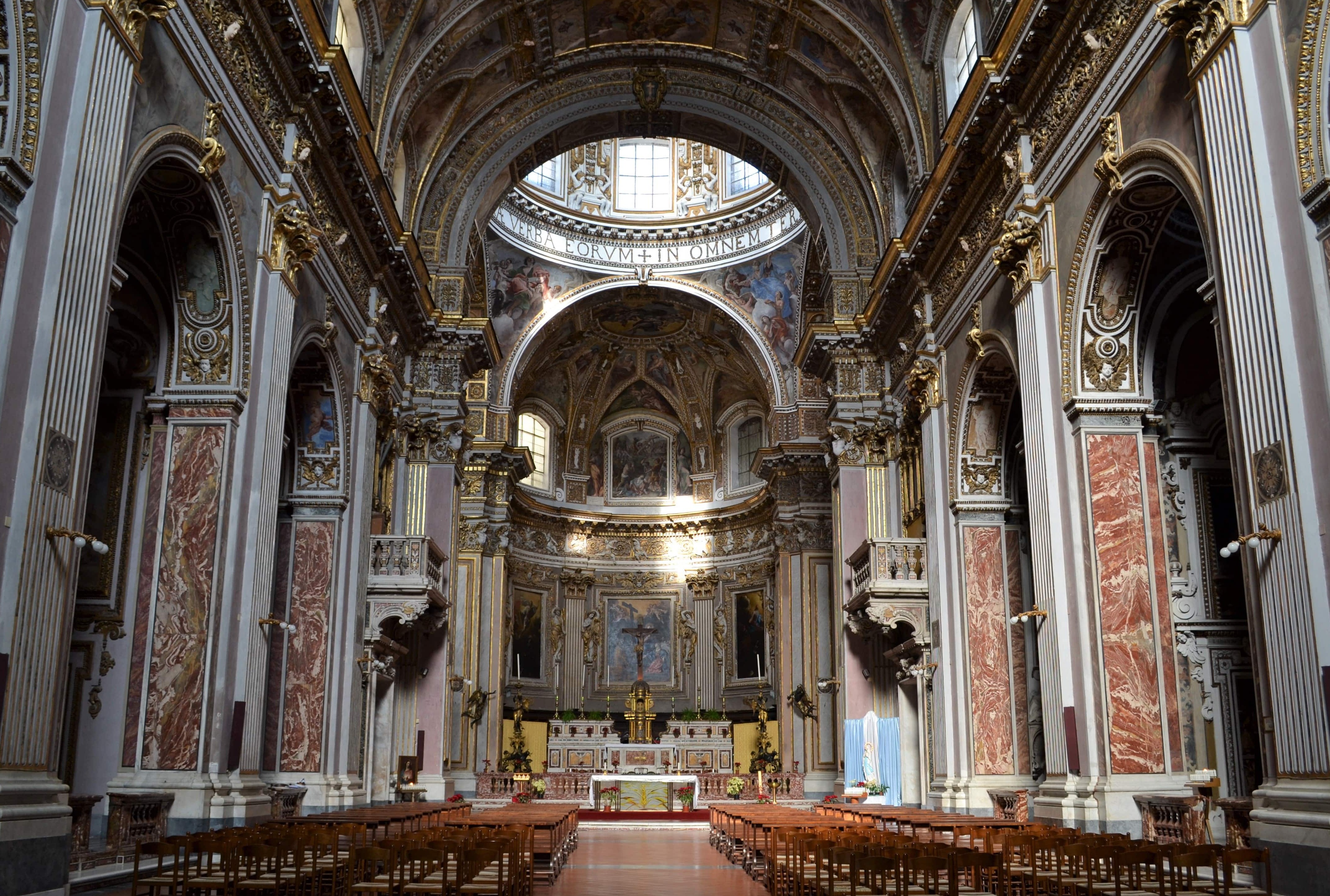

In the heart of Naples, an unusual symbol resides behind the altar of a lesser-known church. This is not just any ordinary detail; it is a lizard, preserved in an extraordinary manner. Over the years, the lizard has become one with the handrail, merging its essence with the wood as dust settled on its once-vibrant body. This curious tale offers a glimpse into the rich history and cultural tapestry of this vibrant city.
### History and Origins Naples, founded by the Greeks in the 7th century BC as Parthenope, has a storied past that weaves through various civilizations. It became a significant port city under the Romans, who expanded it into an essential hub for trade and commerce. Over the centuries, Naples has witnessed the rise and fall of empires, including the Normans, Angevins, and Spanish, each leaving an indelible mark on the local culture and architecture.
The church housing the lizard is believed to be one of the many structures built during the Renaissance, a time when art and spirituality intertwined. This era saw the flourishing of religious art and architecture, and many churches were adorned with intricate details that reflect the devotion of the people.
### Art and Architecture The architectural style of the church is a blend of Gothic and Baroque, featuring soaring ceilings and ornate decorations. The altar, where the lizard resides, is a masterpiece, adorned with gilded accents and stunning frescoes that depict biblical stories. The lizard itself, while seemingly a mere curiosity, symbolizes the transformation of life and death, embodying the very essence of mortality and reverence that pervades the church.
Notable artworks within the church include paintings by local masters, depicting scenes of saints and other religious figures, inviting visitors to contemplate the divine. The juxtaposition of the lizard's stillness against the vibrant backdrop of the artworks creates a poignant contrast, inviting reflection on the passage of time.
### Local Culture and Traditions Naples is a city steeped in tradition, where local customs come alive through festivals and celebrations. One of the most significant events is the Feast of San Gennaro, held every September. This celebration honors the city’s patron saint, featuring processions, music, and the famous blood miracle of San Gennaro, which draws thousands of locals and tourists alike.
Another aspect of local culture is the practice of ‘suspended coffee’, where patrons pay for an extra coffee in advance for someone who might not be able to afford it. This tradition speaks volumes about the warmth and generosity of the Neapolitan spirit, fostering a sense of communal care.
### Gastronomy To truly experience Naples, one must indulge in its gastronomy. The city is the birthplace of the iconic Neapolitan pizza, characterized by its soft, chewy crust and fresh ingredients. A visit to Pizzeria Da Michele or Sorbillo is a must for any pizza aficionado.
Beyond pizza, local specialties include sfogliatella, a flaky pastry filled with ricotta and candied fruit, and pasta e fagioli, a comforting dish of pasta and beans. Wash it down with a glass of Limoncello, the region's famous lemon liqueur, to complete your culinary journey through Naples.
### Lesser-known Curiosities While many tourists flock to the well-trodden paths of Naples, there are hidden gems worth seeking out. The lizard behind the altar of the church is just one of many curiosities; the Catacombs of San Gennaro offer a fascinating glimpse into early Christian burial practices. This subterranean world features stunning frescoes and ancient remains, revealing the city's deep spiritual roots.
Another lesser-known fact is the city’s connection to Pablo Neruda, the Chilean poet who found inspiration in the streets of Naples during his time in Italy. His writings about the city reflect the beauty and complexity that continue to enchant visitors.
### Practical Visitor Information The best time to visit Naples is during the spring (April to June) or early autumn (September to October), when the weather is pleasant and the crowds are more manageable. To fully appreciate the church and its surroundings, take your time exploring the area on foot. Look up—many of the city’s architectural wonders are hidden in plain sight among the bustling streets.
When visiting the church, be sure to bring a camera to capture the lizard and the intricate details of the altar. Engage with local guides who can offer deeper insights into the history and significance of this unique symbol.
Whether you are drawn by the art, the culture, the food, or the hidden stories, Naples promises an experience like no other. For a more personalized adventure in this captivating city, consider using the Secret World app to curate your own itinerary. Enjoy exploring the enchanting layers of Naples!
