
Nestled in the heart of Naples, the Cathedral of Naples, or Duomo di San Gennaro, stands as a testament to the city's rich tapestry of history and faith. This majestic structure not only serves as a house of worship but also as a repository of local culture and artistic achievement. Among its many treasures lies the Chapel of the Succorpo, a hidden gem that embodies both architectural ambition and deep religious significance.
### History and Origins
The origins of the Cathedral of Naples date back to the 13th century, with its initial construction commissioned by Charles I of Anjou. Over the centuries, it has undergone various renovations and expansions, reflecting the evolving architectural styles and the influence of different rulers. The Chapel of the Succorpo, known as the Confession of St. Gennaro, was added in 1497 and is dedicated to Saint Januarius, the patron saint of Naples. This chapel was designed to serve as a confessio, a sacred space that houses the relics of the saint.
The chapel's construction was not without its challenges. Built beneath the cathedral's apse, the chapel sits on unstable ground, which posed significant engineering difficulties. Nevertheless, the ambition behind this project showcases the determination of its creators to provide a lasting tribute to one of Naples' most revered figures.
### Art and Architecture
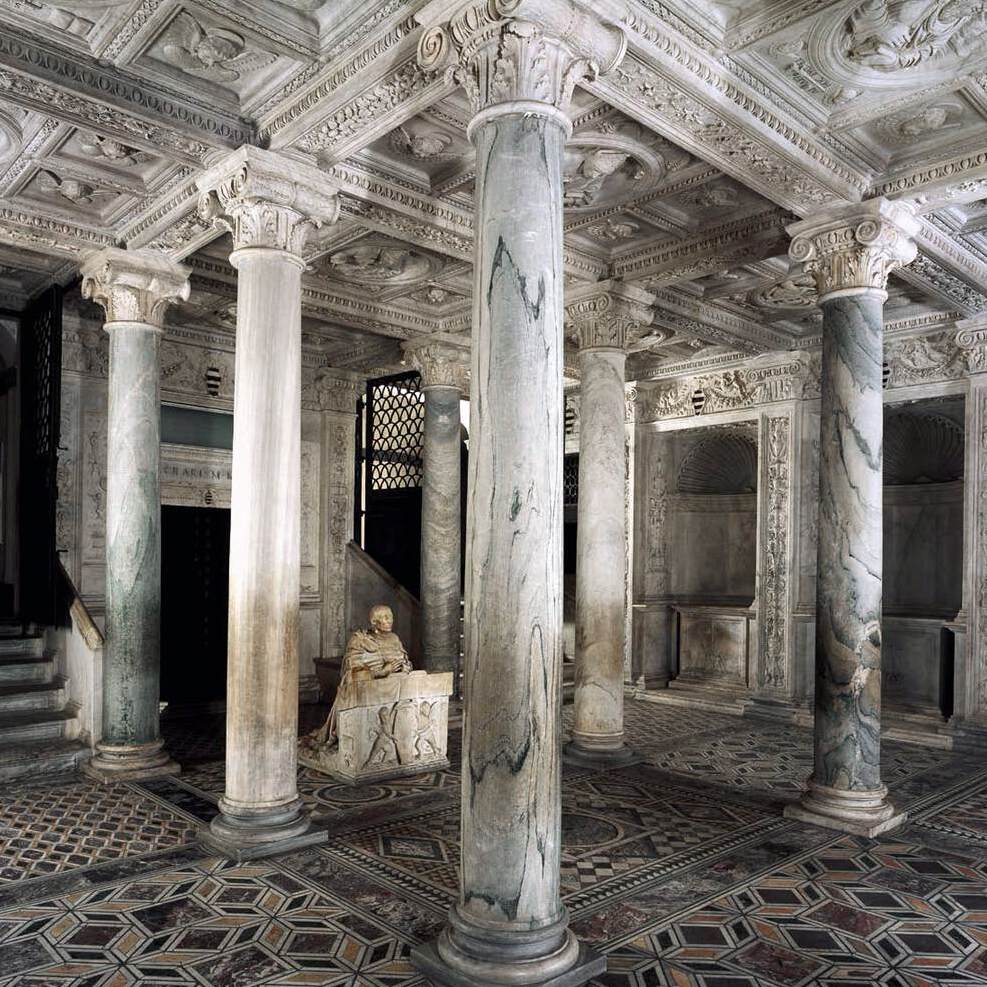
The architectural style of the Chapel of the Succorpo is predominantly Renaissance, characterized by its harmonious proportions and classical elements. The chapel is rectangular, featuring three naves that are supported by ancient columns adorned with Ionic capitals. The walls are lined with pilasters that echo the grandeur of the Renaissance period.
One of the chapel's most striking features is its coffered marble ceiling, a pioneering design that was unprecedented at the time. The ceiling displays an intricate iconographic scheme, depicting the Madonna, the Fathers of the Church, and the Patriarchs of Naples encased in circular medallions, known as clipei. The way light filters through the oblique windows enhances the ethereal atmosphere, illuminating the space where the relics of St. Gennaro and a marble statue of Cardinal Oliviero in prayer reside.
### Local Culture and Traditions
The Cathedral of Naples and the Chapel of the Succorpo are not merely historical artifacts; they are living parts of the local culture. The feast of St. Gennaro, celebrated on the first Saturday of May and again on September 19, draws thousands of faithful who come to witness the miraculous liquefaction of the saint's blood. This event is steeped in tradition and local belief, symbolizing protection and prosperity for the city.
Naples is known for its rich traditions in music, art, and literature, and the cathedral serves as a focal point for many cultural events. From intimate concerts to grand processions, the cathedral’s religious significance is intertwined with the everyday lives of Neapolitans, showcasing a vibrant community spirit.
### Gastronomy
No visit to Naples is complete without indulging in its world-renowned gastronomy. The area surrounding the cathedral is filled with local eateries that serve traditional Neapolitan fare. Be sure to try pizza Napoletana, characterized by its soft, chewy crust and fresh toppings, particularly the classic Margherita, which celebrates the colors of the Italian flag.
For a sweet treat, sample sfogliatella, a flaky pastry filled with ricotta and citrus zest, or the iconic babà, a rum-soaked cake that reflects Naples' rich culinary heritage. Pair your meal with a glass of local wine, such as Lacryma Christi, which has a history tied to the volcanic soils of Mount Vesuvius.
### Lesser-Known Curiosities
While the grandeur of the Chapel of the Succorpo is well-known, many visitors overlook its fascinating lesser-known details. For instance, the chapel contains a unique mosaic that depicts the Miracle of St. Gennaro, showcasing the saint’s role in saving the city from various calamities.
Additionally, the Cathedral of Naples is home to various tombs of notable figures, including the famous Carafa family, who played a significant role in the church's history. The Chapel of the Succorpo also contains a series of frescoes that narrate the life of St. Gennaro, providing insight into the local lore and the reverence surrounding the saint.
### Practical Visitor Information
The best time to visit the Cathedral of Naples and the Chapel of the Succorpo is during the cooler months from September to June when the weather is pleasant and tourist crowds are thinner. Early mornings or late afternoons offer a quieter experience to absorb the chapel's serene atmosphere.
When visiting, take time to admire not only the exquisite architecture but also the intricate details in the artwork. Don’t miss the opportunity to attend a mass or a local event, which can provide a deeper understanding of the cultural significance of this site.
To truly uncover the hidden gems of Napoli, consider using the Secret World app to plan a personalized AI itinerary.
