

Nestled in the serene town of Arcole, Italy, the Napoleonic Museum "G. A. Antonelli" offers a compelling glimpse into the life and impact of one of history's most enigmatic figures, Napoleon Bonaparte. Housed in the former Church of S. Antonio, this museum has been a beacon for history enthusiasts since its establishment in 1984.
The origins of the museum are deeply entwined with the Battle of Arcole, a significant event during the Italian Campaign of the French Revolutionary Wars. On November 17, 1796, Napoleon led his troops to a decisive victory against the Austrians, which played a crucial role in establishing his reputation as a formidable military leader. The church itself, built in the 19th century, serves as a fitting backdrop to the relics and artifacts that recount this pivotal moment and the broader Napoleonic era.
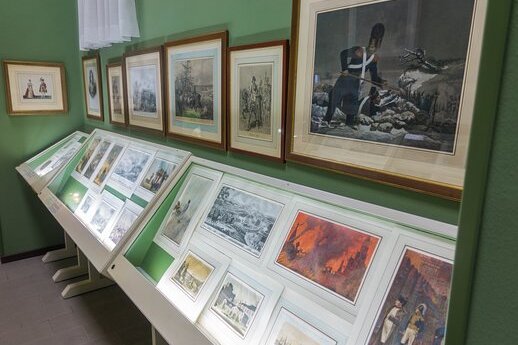
Architecturally, the Church of S. Antonio is a striking example of Neoclassical design, characterized by its clean lines and symmetrical forms. The interior's grandeur is complemented by the museum's exhibits, which include Empire-style furnishings, paintings, and military uniforms that evoke the opulence of Napoleon's court. Notable artworks include period portraits that capture both the majesty of the Emperor and the everyday life of soldiers during his campaigns. Each piece tells a story, contributing to the rich tapestry of the Napoleonic narrative.
The local culture of Arcole is steeped in tradition, with customs that have been preserved through generations. One of the most notable celebrations is the Festa della Battaglia, held annually to commemorate the Battle of Arcole. This festival features reenactments, parades, and local music, drawing visitors from across Italy who gather to honor the town's historical significance. The vibrancy of this event showcases the community's pride in their heritage and their connection to the larger narrative of Italian history.
When it comes to gastronomy, Arcole offers a delightful array of local dishes that reflect the tastes of the region. One must-try is Risotto all’Asparagi, a creamy rice dish made with fresh asparagus, which is abundant in the area. Pair it with a glass of Soave, a crisp white wine that complements the local fare beautifully. The culinary offerings are not only delicious but also embody the essence of Italian culture, where food is a celebration of community and history.
For those who think they know everything about the Napoleonic era, the museum holds some lesser-known curiosities. One intriguing detail is the collection of period prints that document not only military exploits but also the social dynamics of the time, including the roles of women and local citizens during the campaigns. Additionally, the museum houses personal items belonging to soldiers, offering an intimate glimpse into their lives beyond the battlefield.
Visiting the Napoleonic Museum is best during the spring or early fall when the weather is mild, allowing for a pleasant exploration of the area. The museum is relatively small, so it is advisable to take your time with each exhibit. Look for the battle maps that detail Napoleon's strategies and maneuvers during the Arcole campaign, as they provide fascinating insights into his military genius.
In conclusion, the Napoleonic Museum "G. A. Antonelli" in Arcole is more than just a collection of artifacts; it is a portal into a tumultuous era that shaped European history. From its historical significance to its architectural beauty and cultural richness, a visit here offers an immersive experience into the legacies of Napoleon and the town that witnessed his triumphs.
For a personalized journey through the wonders of Arcole, consider using the Secret World app to plan your perfect itinerary.


