
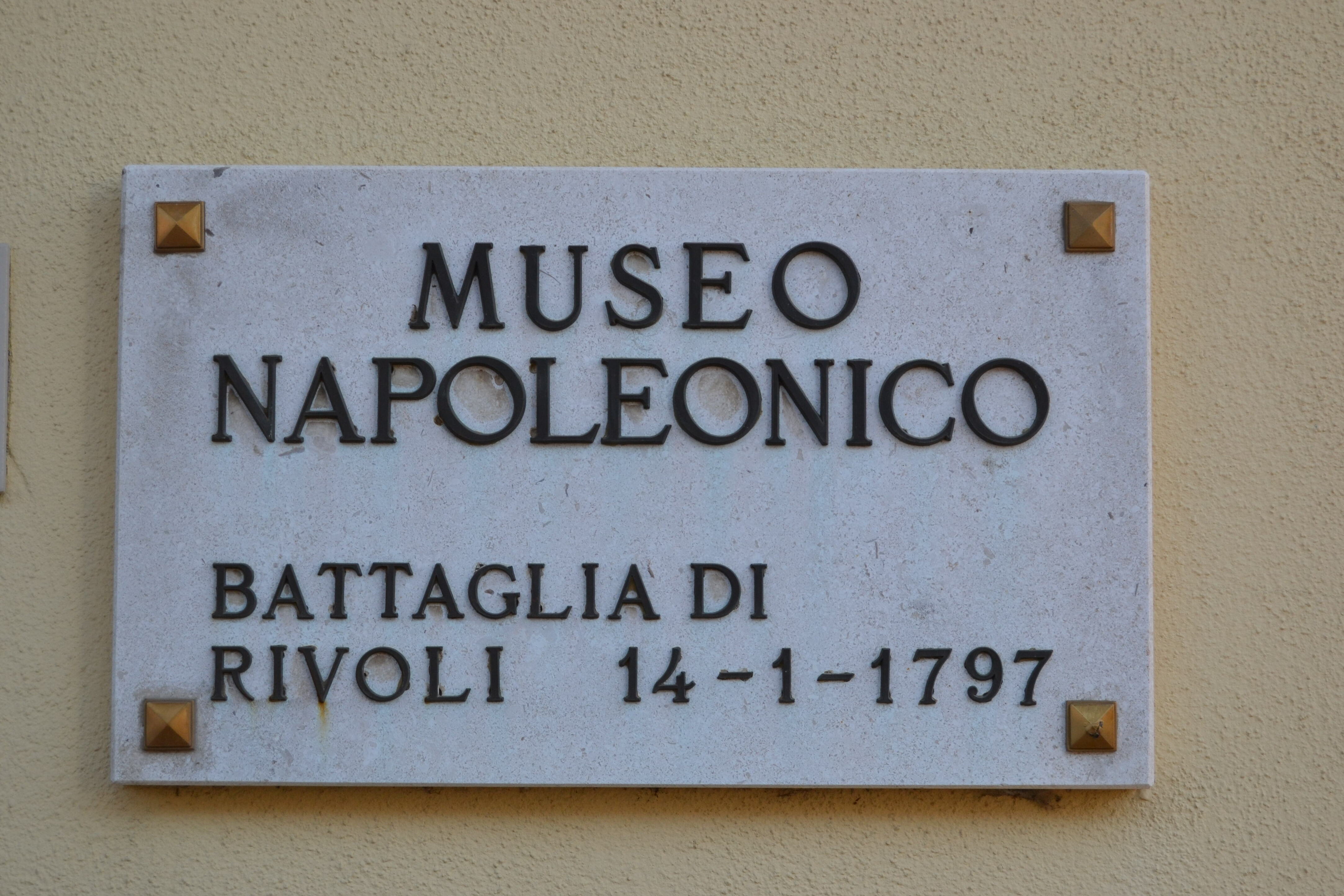

Nestled amidst the serene landscapes of the Veneto region lies the Napoleonic Museum of Rivoli Veronese, a compelling repository of military history and art. This museum serves as a poignant reminder of the Battle of Rivoli, a pivotal conflict on January 14, 1797, where Napoleon Bonaparte's forces triumphed, marking a turning point in the Italian campaigns. The museum, situated at the strategic location that witnessed this historical clash, offers visitors an intimate look at the artifacts and memories from a time when Europe was reshaped under the shadow of Napoleon's ambition.
The origins of the museum are deeply intertwined with the history of the region. Rivoli Veronese, perched on a plateau above the Adige River, was the site of this significant battle, and the museum was established to preserve and showcase relics from that era. The collection includes a meticulously crafted model of the battlefield that allows visitors to visualize the strategies employed during the conflict. Additionally, portraits and paintings of key military figures, alongside autograph documents, provide a window into the Napoleonic era, capturing the essence of a time marked by both grandeur and turmoil.
Architecturally, the museum is a testament to the historical reverence of its contents. Housed in a building that echoes the simplicity yet strength of 19th-century military design, the structure itself feels like a part of the exhibit. The layout is designed to guide visitors through a chronological journey, with rooms dedicated to different facets of the Napoleonic wars. The art within, from detailed prints to vivid reproductions, adds layers of visual storytelling to the artifacts on display.
Beyond its walls, Rivoli Veronese resonates with a rich local culture that draws from its historical roots. The town celebrates its past with annual events such as reenactments of the Battle of Rivoli, where locals dress in period costumes, transforming the quiet streets into a vivid tableau of history. These events not only honor the past but also foster a sense of community and continuity, drawing visitors into the local traditions.
In addition to its historical significance, Rivoli Veronese offers a taste of the Veneto's gastronomic delights. The region is renowned for its Valpolicella wines, produced in the nearby vineyards, which are a must-try for any visitor. Pair these with local specialties such as risotto all'Amarone, a rich, wine-infused risotto that embodies the flavors of the area. Another local favorite is baccalà alla vicentina, a slow-cooked cod dish that showcases the region's culinary expertise.
For those seeking lesser-known curiosities, the museum holds a few surprises. Among its treasures are personal items belonging to soldiers, providing an intimate glimpse into the lives of those who fought. There are also rare prints depicting Napoleonic propaganda, revealing the power of imagery in shaping public opinion during the wars. These hidden gems offer a deeper understanding of the social and cultural undercurrents of the time.
Practical visitor information is essential for making the most of a trip to the Napoleonic Museum. The best time to visit is in the spring or autumn when the weather is mild, and the surrounding countryside is at its most picturesque. It's advisable to allocate a couple of hours to fully appreciate the exhibits. Visitors should note that the museum may have specific opening hours, so checking ahead is recommended. Look out for guided tours, which can provide additional insights and anecdotes that bring the history alive.
The Napoleonic Museum of Rivoli Veronese is more than just a collection of artifacts; it's a journey through time that intertwines the personal and the political, the local and the global. It invites visitors to not only witness history but to engage with it, offering a rich tapestry of stories that continue to resonate in the present day.


