
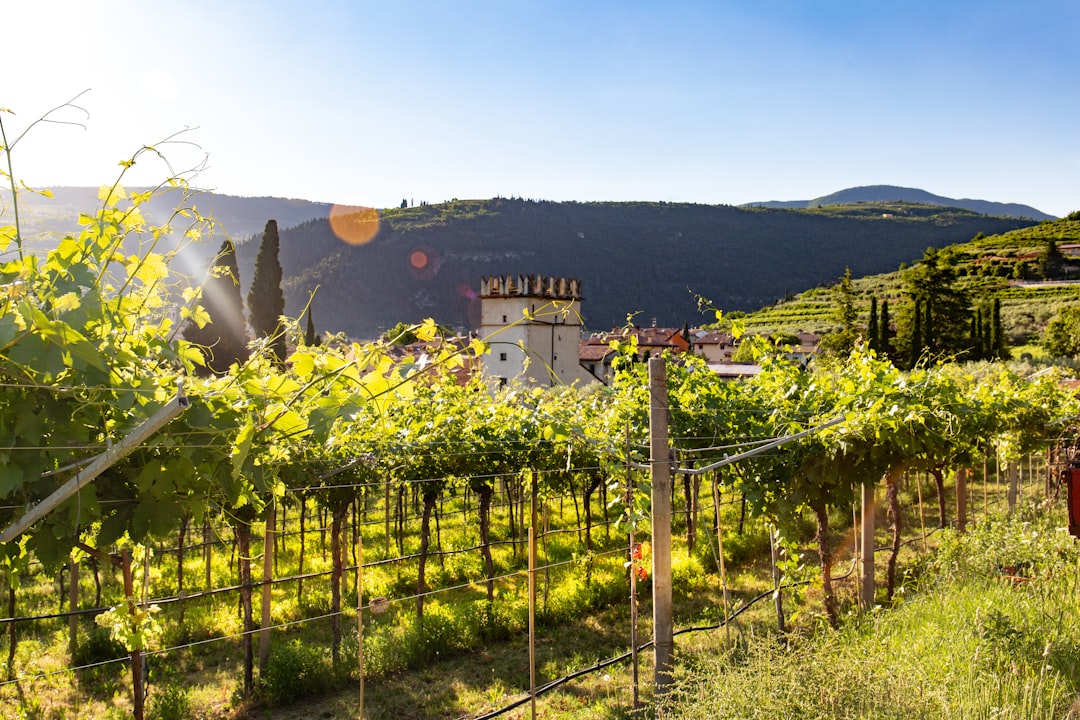

Immersed in the sweet hills surrounding Verona, Valpolicella is a place where winemaking tradition blends with breathtaking landscapes. This region is famous worldwide for its wines, particularly Amarone, a robust and complex red wine that tells stories of passion and dedication. Valpolicella is not only a paradise for wine lovers but also an ode to Italian natural beauty.

Valpolicella extends a few kilometers north of Verona, offering a panorama characterized by neat vineyards, olive groves, and gentle hills. Its geographical location, with a mild and breezy climate, creates a unique terroir that contributes to the quality of the wines produced. In this article, we will explore the wine varieties of Valpolicella, its terroir, and the tasting experience that visitors can expect.
The Wine Varieties of Valpolicella

Valpolicella is famous for several wine varieties, each with its own distinctive characteristics. The main grape variety used is Amarone della Valpolicella, a wine that is obtained through a process of drying the grapes. The main grape varieties used for Amarone are Corvina, Rondinella, and Molinara. These grapes are harvested and left to dry on racks for several months, a process that concentrates the flavors and gives the wine an extraordinary aromatic complexity.
In addition to Amarone, Valpolicella also produces Valpolicella Classico, a lighter and fresher red wine, suitable for everyday consumption. Another noteworthy variety is Recioto, a sweet wine made from the same grapes as Amarone, but vinified in a way that retains some of the natural sugars. These varieties offer a range of tasting experiences that satisfy even the most demanding palates.

The Terroir of Valpolicella
The terroir of Valpolicella is a key element that contributes to the quality of its wines. The region is characterized by a calcareous and clayey soil, which provides optimal drainage for the roots of the vines. Furthermore, the temperature variation between day and night allows the grapes to ripen slowly, developing complex aromas and good acidity.
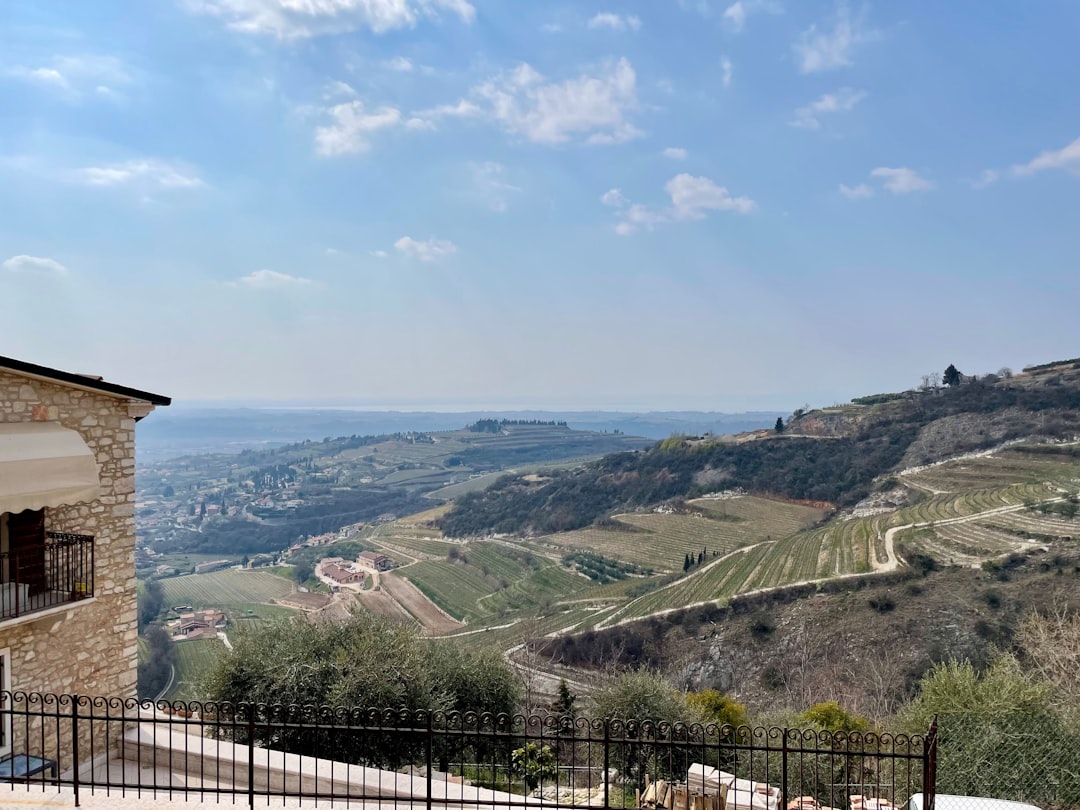
The geographical position of Valpolicella, near Lake Garda and protected by the Alps, creates an ideal microclimate for viticulture. The cool breezes descending from the mountains and the warm summer days promote the growth of healthy and ripe grapes. This natural environment not only benefits the quality of the grapes but also contributes to the beauty of the landscape, making every visit a visual experience as well as a tasting one.
The Tasting Experience in Valpolicella
Visiting Valpolicella means not only savoring high-quality wines but also immersing oneself in an authentic experience that celebrates the local culture. Many wineries offer tours that include visits to the vineyards, explanations of the winemaking process, and, of course, tastings. During these tastings, visitors have the opportunity to discover the nuances of each wine, learning to recognize the aromas and characteristics that make them unique.
An intriguing aspect of tasting in Valpolicella is the pairing with local cuisine. The wines, particularly Amarone, pair perfectly with traditional dishes such as Amarone risotto, grilled meats, and aged cheeses. This synergy between wine and gastronomy makes every meal a complete sensory experience, allowing visitors to fully appreciate the food and wine culture of the region.
Conclusion: An Unmissable Journey in Valpolicella
Valpolicella is much more than just a destination for wine lovers; it is a place where history, nature, and the passion for winemaking intertwine. With its famous wines, enchanting landscapes, and the warm hospitality of local producers, Valpolicella offers an unforgettable experience. Whether you are expert sommeliers or simply wine enthusiasts, a visit to this region is a celebration of the beauty and tradition of Italian winemaking, a journey that will remain in the heart of every visitor.


