

A wooden teak boat suspended in mid-air, several meters long, welcomes visitors as they cross the threshold of the National Museum of Oman. It is not a decorative detail: it is a statement of intent. Oman has been a maritime power for millennia, and this museum — inaugurated in 2016 in the capital Muscat — builds its narrative around water, trade, and the routes that have connected the Arabian Peninsula with East Africa, India, and the Mediterranean.
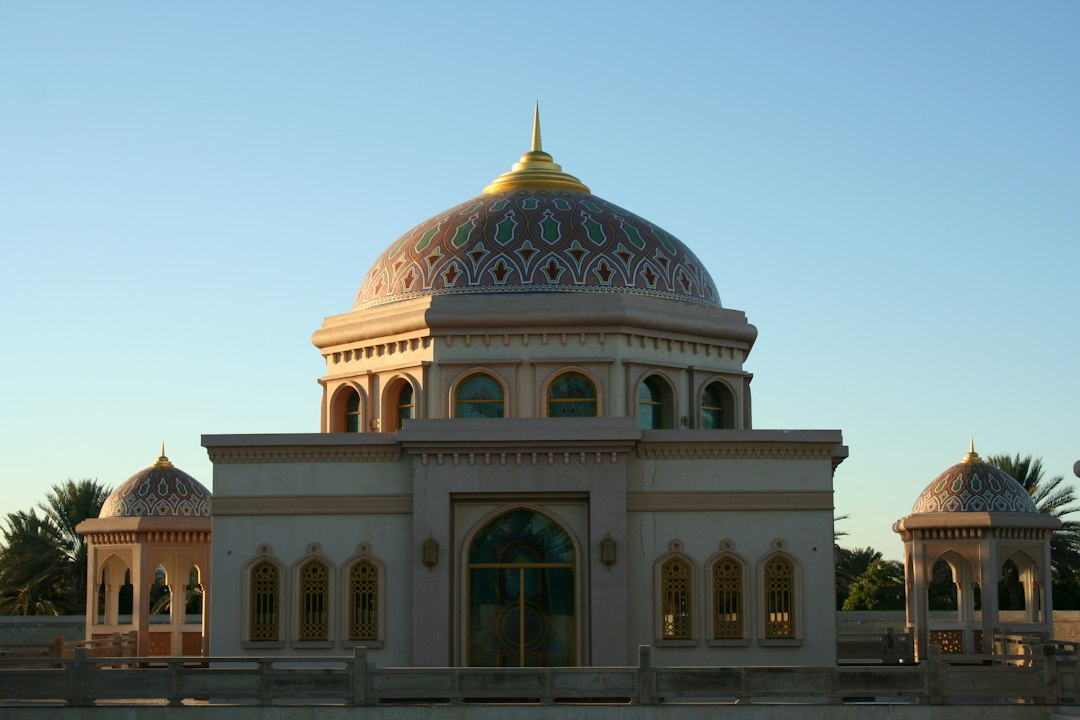
The complex is located in the Shati Al Qurum neighborhood, not far from the Corniche of Muscat, and is one of the newest national museums in the Gulf region. With an exhibition area of over 14,000 square meters spread over multiple levels, it houses permanent collections that span a time frame of about 10,000 years, from the prehistory of the Omani peninsula to the contemporary era of the Sultanate.
The architecture: a building that tells a story even before entering
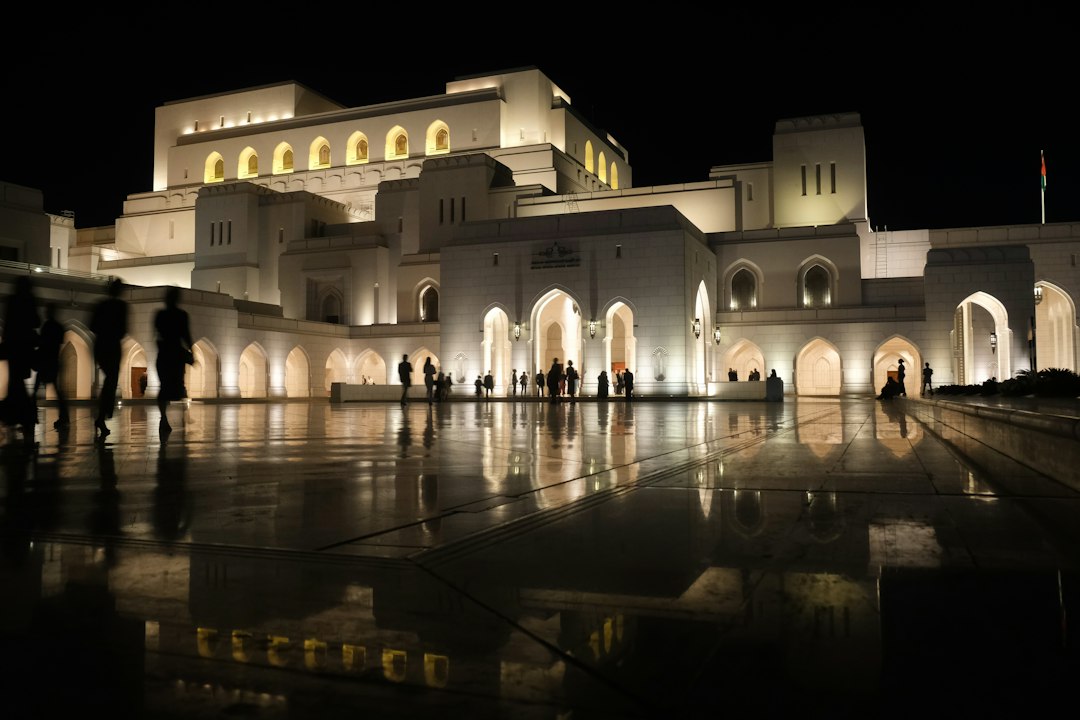
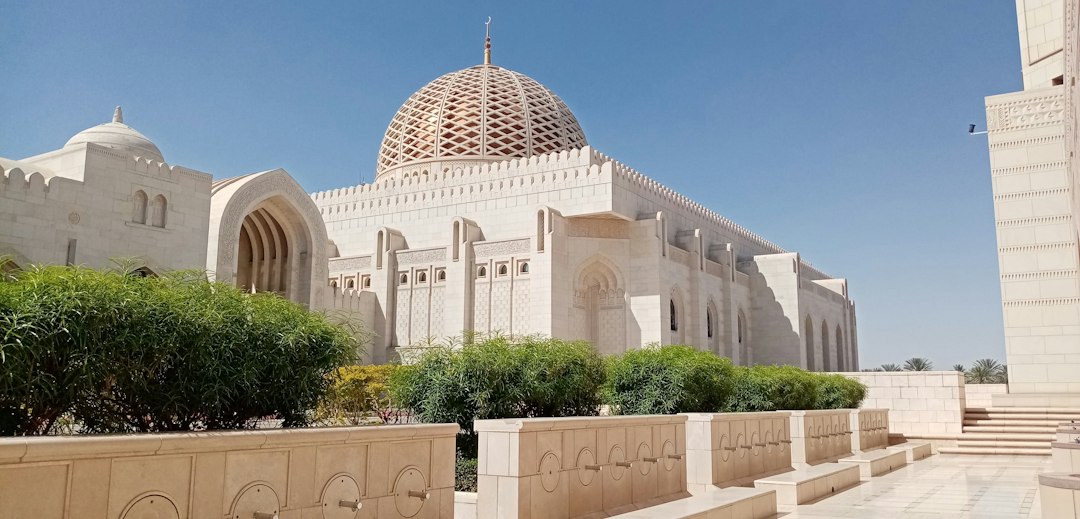
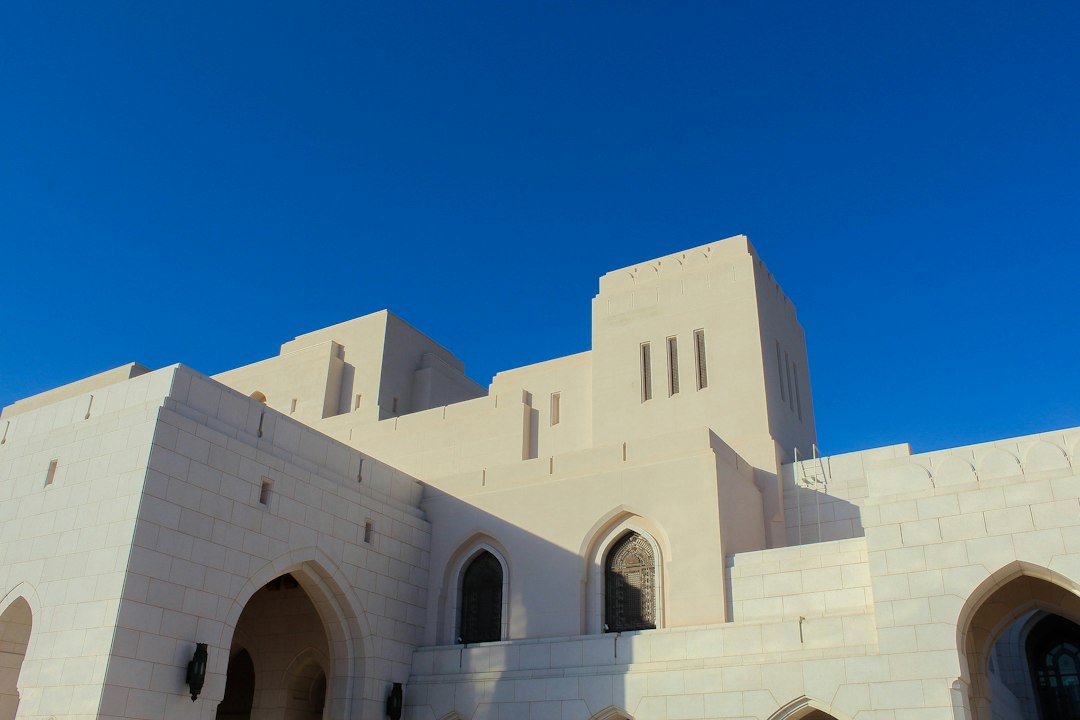
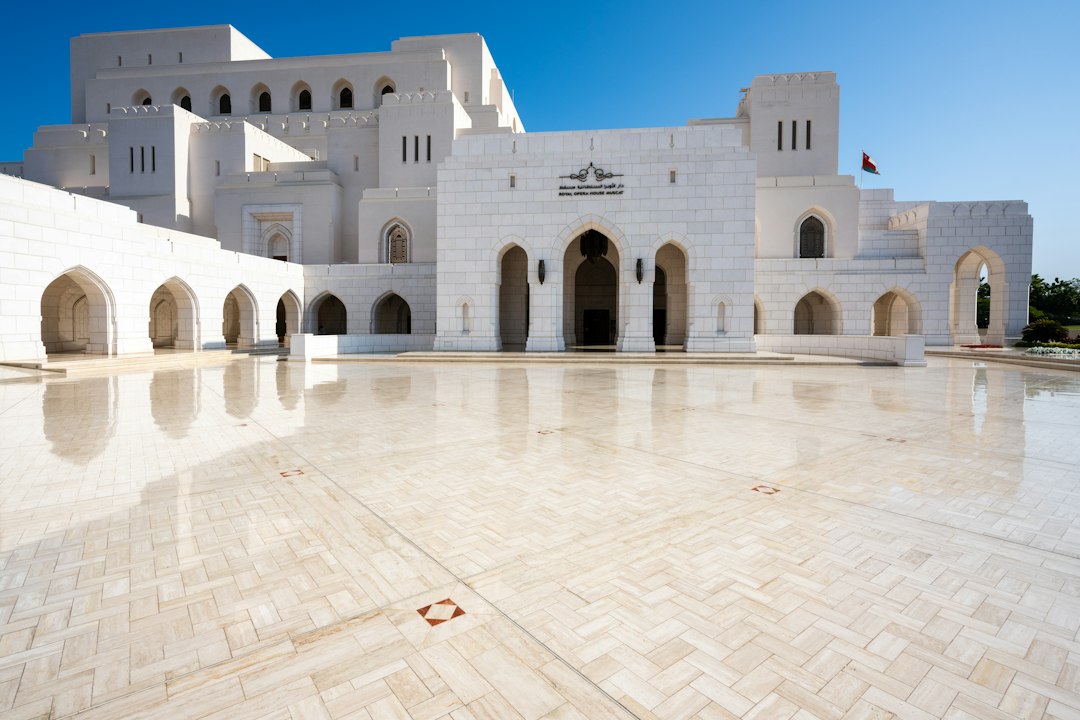
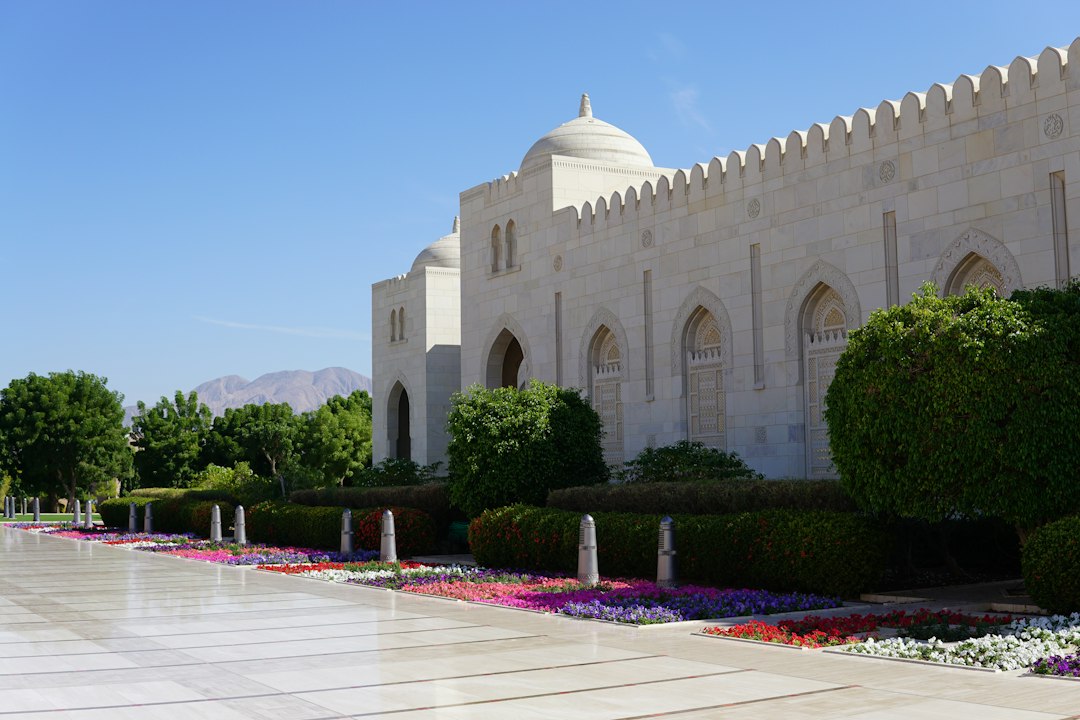
The building itself is designed as a cultural threshold. The external facade features geometric patterns typical of Omani Islamic architecture, reinterpreted in a contemporary key with the use of local stone and cladding that changes shades with the light of day. Those arriving in the morning hours notice how the external surface seems almost golden, an optical effect intended by the designers to evoke the desert landscape of the country.
The interiors are organized into thematic galleries connected by wide ramps and corridors that allow for smooth circulation. The lighting is designed to enhance each individual object on display, with directional spotlights creating sharp contrasts on the surfaces of artifacts made of metal, stone, and wood. Nothing seems to be left to chance: even the captions, available in Arabic and English, are written in an accessible register that avoids academic jargon.
The collections: incense, pearls, and navigation
Among the most significant galleries is the one dedicated to the incense trade, the frankincense route that for centuries made Oman a fundamental economic crossroads between East and West. Displayed are terracotta burners, alabaster containers, and documents that attest to the trade flows dating back to the pre-Islamic era. The resin of Boswellia sacra, produced mainly in the Dhofar region in the south of the country, is still considered among the most precious in the world today, and the museum dedicates ample space to its botanical, commercial, and ritual history.
Another section that deserves attention is the one dedicated to traditional navigation. Here are scale models of dhow, the lateen-rigged boats that Omani sailors used to cross the Indian Ocean, along with astronomical navigation instruments, nautical charts, and objects recovered from shipwrecks. The presence of authentic artifacts alongside interactive reconstructions makes this gallery particularly effective for understanding how sophisticated Omani maritime culture was already in the first millennium AD.
The Royal Gallery and the Symbols of the Sultanate
The museum dedicates an entire wing to the history of the Sultanate of Oman and the Al Said dynasty, which has ruled the country since the 18th century. Objects belonging to the sultans are displayed, including ceremonial weapons, court garments, official seals, and diplomatic gifts received from foreign heads of state over the centuries. This gallery offers an unusual perspective on Omani diplomacy, which has historically maintained relations with very different countries, from the British Empire to Imperial China.
Particularly noteworthy is the collection of khanjar, the curved ceremonial daggers that represent one of the most recognizable identity symbols of Oman, to the extent that they appear on the national flag. The displayed specimens vary in material, era, and regional origin, showing how this object has taken on different meanings in the various provinces of the country.
Practical tips for the visit
The museum is open to the public with hours that vary between weekdays and holidays, so it is advisable to check the official website before departing. The best time to visit is in the morning, when the halls are less crowded and the natural light filtering through the tall windows enhances the galleries dedicated to natural materials. A complete visit typically takes between two and three hours, but those who want to delve deeper into the maritime or prehistoric sections can easily spend four.
The museum is conveniently reached by taxi or ride-hailing services like Careem, which are very popular in Muscat. There is no convenient public transport stop nearby. Inside, there is a café and a shop with publications and reproductions of artifacts. It is advisable to avoid visiting during the central hours of Friday, when some areas may be closed for religious reasons. Admission is free for Omani citizens, while foreign visitors are required to pay a ticket whose cost has remained low compared to international standards.


