
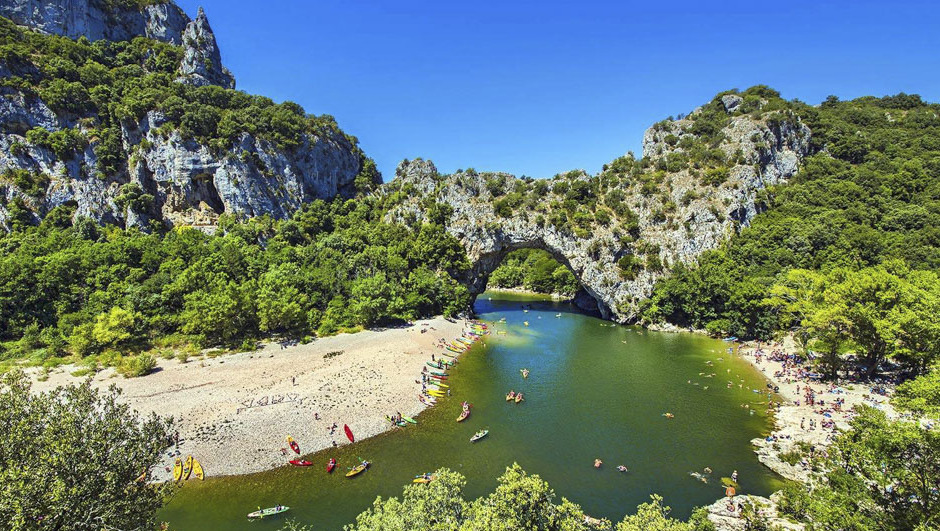

The Pont d’Arc is more than just a stunning natural monument; it is a testament to the power of nature and a gateway to a remarkable cultural history. Located in Vallon-Pont-d'Arc, this magnificent stone archway, carved by the slow yet relentless flow of the Ardèche River, has captivated visitors for millennia.
History and Origins
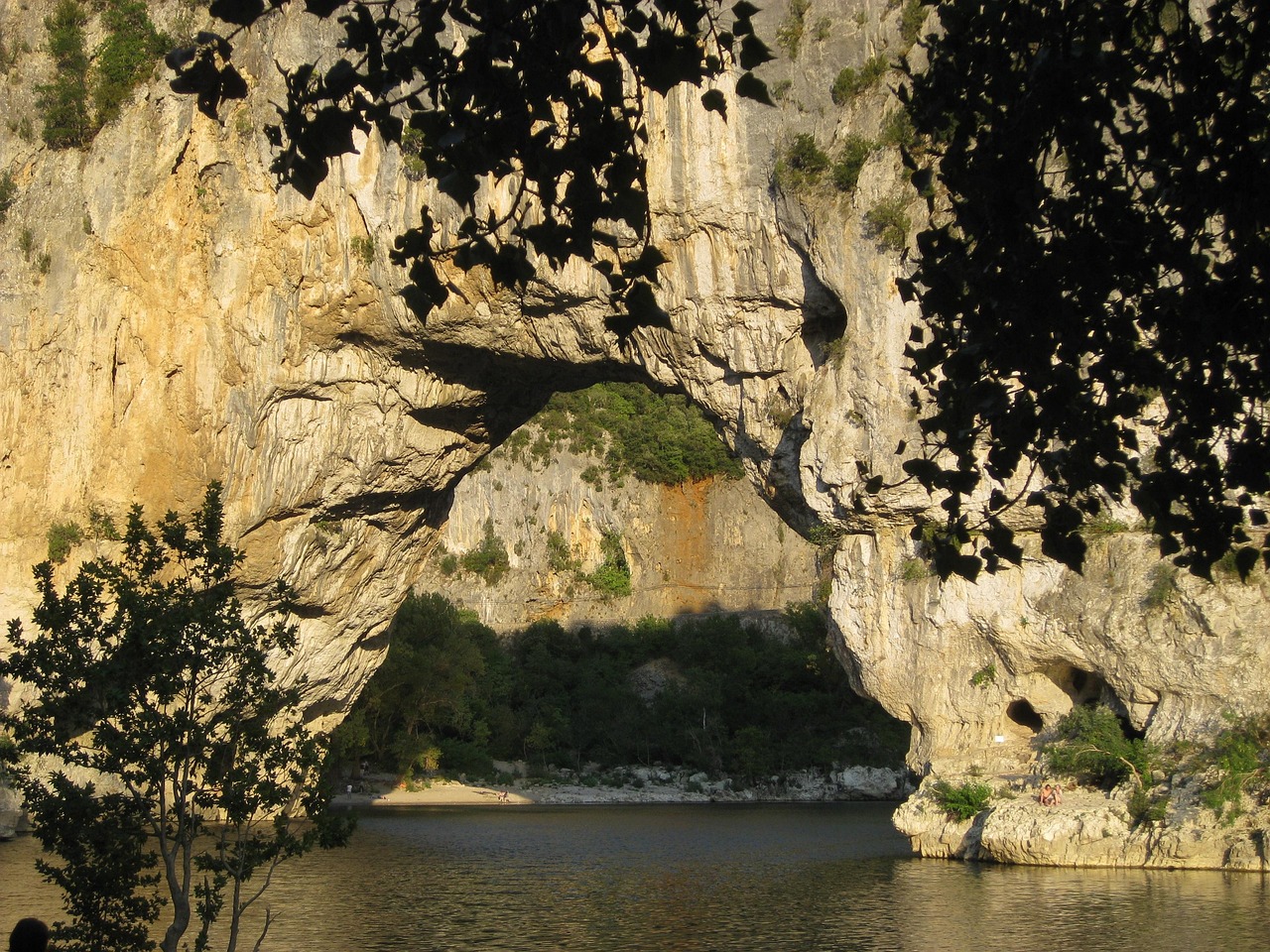
The origins of the Pont d’Arc are deeply intertwined with the geological history of the region. Formed over thousands of years, this natural bridge was shaped by the erosive forces of water, which carved the limestone rock into the impressive arch we see today. The first humans to inhabit the area left behind evidence of their presence, most notably in the Chauvet-Pont-d’Arc Cave, located just a short distance from the arch. Discovered in 1994, this cave is home to some of the oldest known Paleolithic cave paintings, estimated to be around 30,000 years old. These artworks, depicting animals such as lions, rhinoceroses, and bison, offer a glimpse into the lives of early humans and their connection to nature.
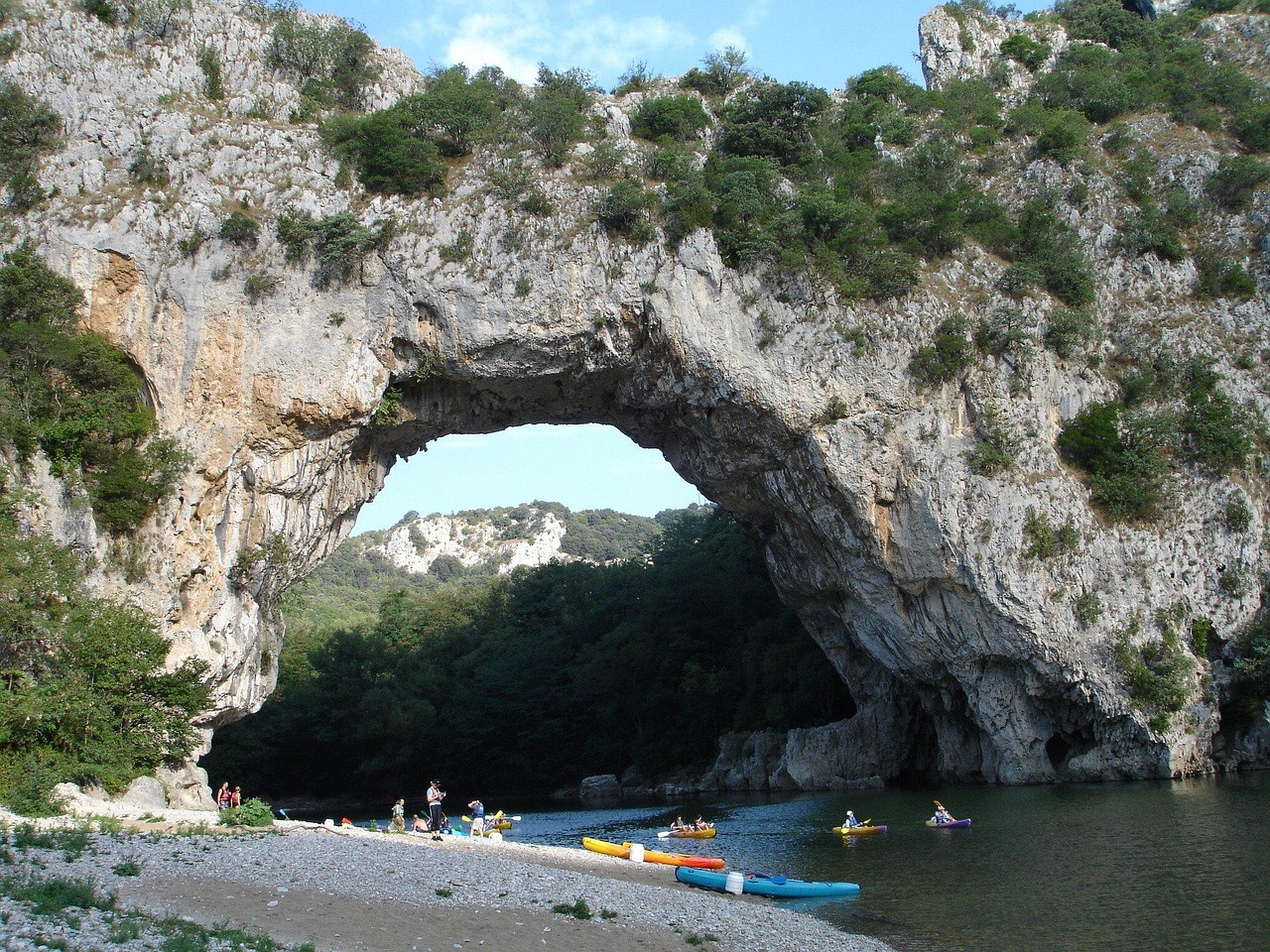
Over the centuries, the region's natural beauty has attracted various inhabitants, from ancient tribes to modern-day adventurers. The area was officially recognized as a natural site of significance in the late 20th century, paving the way for conservation efforts and increased tourism.
Art and Architecture
While the Pont d’Arc itself is a natural wonder, the artistic significance of the area extends beyond its geological formations. The cave paintings in the Chauvet Cave represent a high point in prehistoric art, showcasing advanced techniques and a deep understanding of animal anatomy. These ancient artworks are not only significant for their age but also for their intricate detail and representation of life during that era.
In contemporary times, the region has embraced its artistic heritage, with many local artisans drawing inspiration from the natural beauty surrounding the Pont d’Arc. Visitors can find pottery, paintings, and handcrafted goods that reflect the charm of the Ardèche region.
Local Culture and Traditions
The culture of Vallon-Pont-d'Arc is vibrant and closely linked to its natural environment. Local customs often celebrate the unique landscapes and traditions of the Ardèche. One of the most notable festivals is the Fête de l’Ardèche, which takes place in late summer. This annual event showcases local crafts, music, and gastronomy, bringing together residents and visitors in a joyful celebration of regional pride.
Another tradition is the practice of canoeing and kayaking on the Ardèche River, which has become a popular activity for both locals and tourists. The river's winding paths through stunning gorges provide an exhilarating experience of the landscape while allowing for a closer connection to the natural beauty that defines the region.
Gastronomy
No visit to Vallon-Pont-d'Arc would be complete without indulging in the local cuisine. The Ardèche region is renowned for its culinary delights, including chestnuts, which are celebrated in various forms, from chestnut cream to roasted chestnuts. Another local specialty is caillettes, a type of meat pie made with pork and greens, often enjoyed during festive occasions.
Wine lovers will appreciate the local vineyards producing Côtes du Rhône wines, which pair beautifully with the region's hearty dishes. Sampling local cheeses, such as Saint-Marcellin, adds another layer of delight to the gastronomic experience, making the region a haven for food enthusiasts.
Lesser-Known Curiosities
While many visitors flock to admire the Pont d’Arc, few know that the arch serves as a natural staging ground for various wildlife. The area is home to diverse flora and fauna, including birds of prey and rare plant species. Additionally, the Pont d’Arc has been featured in various films and documentaries due to its breathtaking scenery, yet it remains a serene escape from the bustling tourist spots of France.
Another intriguing detail is the bridge’s role in local folklore. Legend has it that the arch was formed by a giant who carved it out as a path for his beloved to cross the river, showcasing the region's rich tapestry of stories and myths.
Practical Visitor Information
The best time to visit the Pont d’Arc is during the spring and early autumn months when the weather is mild and the natural surroundings are in full bloom. Summer can be warm, and the area attracts many visitors, so planning your visit during the shoulder seasons can provide a more tranquil experience.
For those looking to explore the area, consider renting a canoe or kayak to navigate the Ardèche River. Guided tours are available and often include stops at natural swimming holes and scenic viewpoints. Don’t forget to bring a camera to capture the stunning vistas, especially at sunrise or sunset when the colors play beautifully against the limestone formations.
In conclusion, the Pont d’Arc and its surrounding area present a unique blend of natural beauty, rich history, and vibrant culture. Whether you’re an adventurer seeking thrills on the river or a history enthusiast eager to explore ancient art, this destination has something to offer everyone. To make the most of your visit, consider using the Secret World app to create a personalized itinerary that reveals the hidden gems of Vallon-Pont-d'Arc.


