
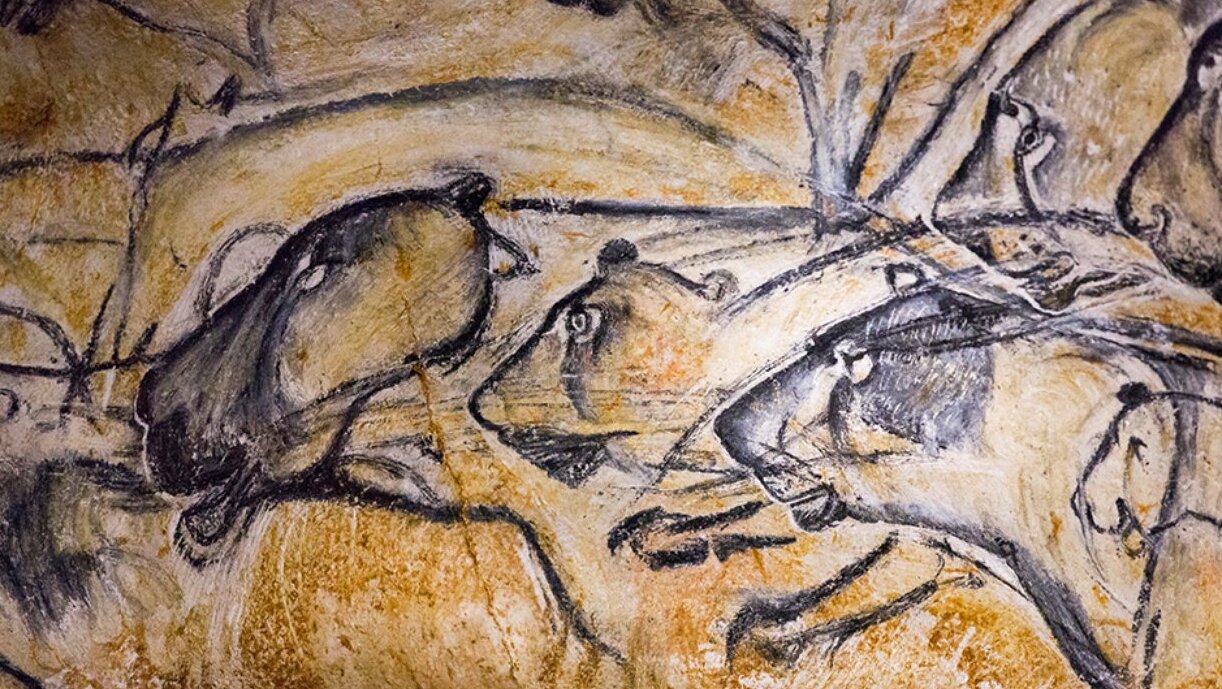

Nestled in the heart of the Ardèche region, Chauvet Grotte stands as a monumental testament to human creativity, boasting the oldest and most remarkable prehistoric paintings known to mankind. Discovered in December 1994 by a team of speleologists led by Jean-Marie Chauvet, this cave contains over 420 drawings of animals, including majestic horses, bison, and elusive lions, dating back approximately 35,000 years to the Aurignacian period. The exquisite quality and detail of these artworks reveal a sophisticated understanding of anatomy and movement, reflecting the cultural significance of animals in the lives of ancient humans. Unlike many cave paintings, the Chauvet Grotte murals are unique not only in their age but also in their diversity of techniques, including both paintings and engravings, showcasing the artistic prowess of our prehistoric ancestors.
The cave itself is a marvel of natural architecture, with its stunning limestone formations creating a dramatic backdrop for the artwork. The main chamber houses the most famous pieces, such as the Panel of the Horses, where the graceful lines and dynamic poses capture the very essence of these prehistoric creatures. The play of shadows and light within the cave adds a mystical quality to the experience, making it feel as if one has stepped back in time.
Local culture around Vallon-Pont-d'Arc is steeped in a rich tapestry of traditions that celebrate this historical site. Every year, the town hosts the Festival of Prehistory, where locals and visitors alike engage in activities that reflect ancient life, such as flint knapping and storytelling. This event not only honors the artistic legacy of the Chauvet Grotte but also fosters a sense of community and connection to their ancestors.
In the spirit of the region, the gastronomy of Vallon-Pont-d'Arc is a delightful exploration of local flavors. The Ardèche region is known for its robust cuisine, featuring specialties such as caillette (a meat preparation wrapped in chard leaves) and châtaignes (chestnuts), which are often used in both savory and sweet dishes. Pair your meal with a glass of local Côtes du Rhône wine, which enhances the flavors of the hearty dishes and connects you to the terroir of the region.
For those intrigued by the Chauvet Grotte, there are lesser-known curiosities that add depth to the experience. For example, the cave's discovery was serendipitous; the team initially set out to explore a different cave when they stumbled upon this extraordinary site. Additionally, the cave is home to some of the earliest evidence of artistic expression, prompting debates among scholars about the role of art in early human societies and its impact on cultural identity.
When planning your visit to Chauvet Grotte, the best time to go is during the spring or early autumn, when the weather is mild and the tourist crowds are thinner. Be sure to book a guided tour in advance, as access to the actual cave is restricted to preserve its paintings. The tours provide invaluable insights into the artwork and the history of the site, making the visit even more enriching. Look out for the intricate details in the murals, such as the way the artists utilized the contours of the rock to enhance their depictions, a technique that showcases their innovative spirit.
In conclusion, visiting Chauvet Grotte is not just an exploration of ancient art; it's a journey into the very essence of human expression and connection with nature. As you traverse through the corridors of this cave, you can't help but feel a profound respect for those who walked these paths thousands of years ago, leaving behind a legacy that continues to captivate and inspire. For a personalized itinerary that ensures you experience all that Vallon-Pont-d'Arc has to offer, consider using the Secret World app for tailored recommendations.


