
← Back

Necropolis of Monterozzi

01016 Tarquinia VT, Italia ★★★★☆ 281 views
Lea Hoffman
Tarquinia
🏆 AI Trip Planner 2026

Get the free app

Discover the best of Tarquinia with Secret World — the AI trip planner with 1M+ destinations. Get personalized itineraries, hidden gems and local tips. Free on iOS & Android.

🧠 AI Itineraries 🎒 Trip Toolkit 🎮 KnowWhere Game 🎧 Audio Guides 📹 Videos
Scan to download iOS / Android
Scan for AppGallery Huawei users

About Necropolis of Monterozzi

Necropolis of Monterozzi - Tarquinia | Secret World Trip Planner

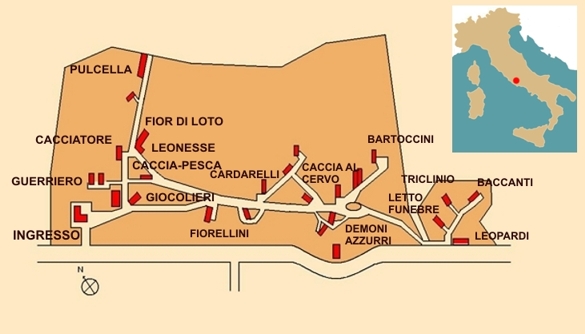
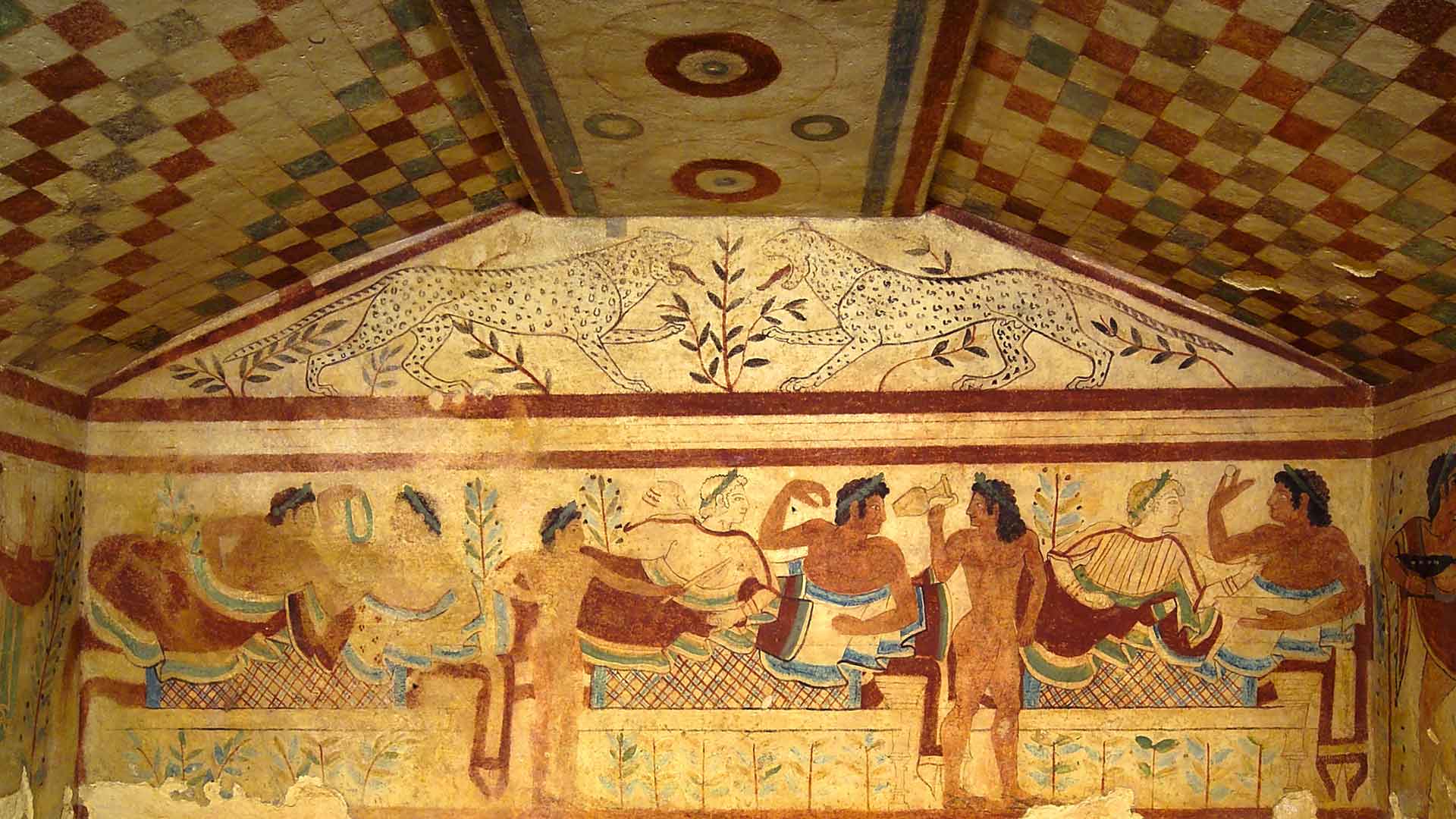
The Etruscan necropolis of Monterozzi is located on high ground east of Tarquinia (VT) and has about 6,000 burials, the oldest of which date from the 7th century BC. About 200 tombs contain a series of frescoes that represent the most conspicuous pictorial nucleus of Etruscan art that has come down to us and at the same time the most extensive record of all ancient painting prior to the Roman imperial age. The burial chambers, modeled on the interiors of dwellings, have their walls decorated in fresco on a light layer of plaster, with scenes of a magical-religious character depicting funeral banquets, dancers, aulós players, jugglers, and landscapes, in which animated and harmonious movement is imprinted, portrayed in intense and vivid colors. After the fifth century B.C. figures of demons and gods flank the farewell episodes, in the accentuation of the monstrous and the pathetic. The necropolis of Tarquinia.
Necropolis of Monterozzi - Tarquinia | Secret World Trip Planner

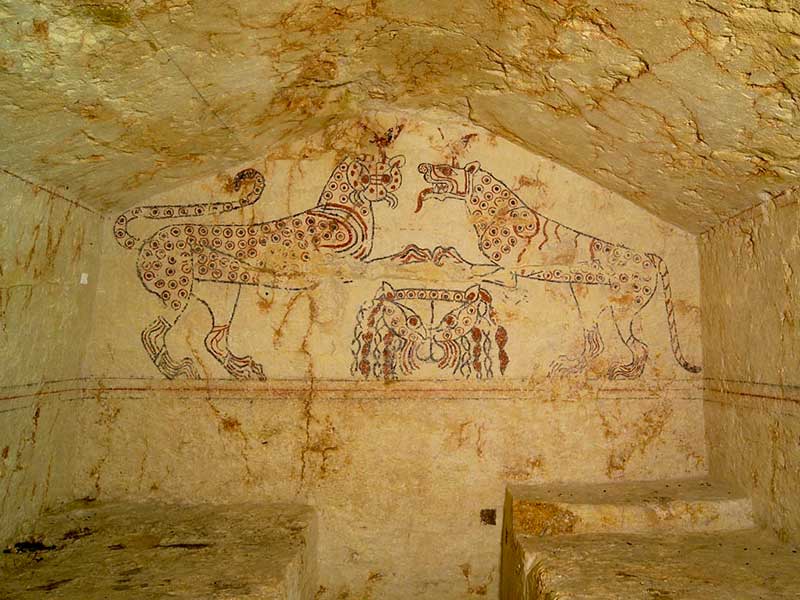
Among the most interesting burials are the tombs that are referred to as the Warrior, the Hunt and Fish, the Lionesses, the Augurs, the Jugglers, the Leopards, the Festoons, the Baron, the Ogre and the Shields. Some of the paintings, detached from some tombs in order to preserve them (Tomb of the Bigas, Triclinium, Funeral Bed and Ship), are kept in the National Etruscan Museum in Tarquinia; others can be seen directly on the wall on which they were made.

Also of provenance from the necropolis are notable stone sculptures in relief on slabs or in the figure of the deceased lying on the sarcophagus; notable among others is the limestone sarcophagus of the Partunu tomb, a work of fine workmanship, datable to the Hellenistic age. Many of the artifacts found in the necropolis are collected in the National Etruscan Museum of Tarquinia and in many other museums scattered around the world. The paintings and wall decorations of the Baron's Tomb, discovered in 1827, were reproduced in later years on the walls of the so-called Etruscan Cabinet, kept inside the Royal Castle of Racconigi. Since July 2004, the Monterozzi necropolis, together with that of Cerveteri, has joined the UNESCO list of World Heritage Sites.

Necropolis of Monterozzi - Tarquinia | Secret World Trip Planner
🗺 AI Trip Planner 2026

Plan your visit to Tarquinia

Suggested itinerary near Necropolis of Monterozzi

MAJ+
500.000+ travelers worldwide
  1. 🌅
    Morning
    Necropolis of Monterozzi
    📍 Tarquinia
  2. ☀️
    Afternoon
    Discover the Stars at GrAG: An Astronomy Journey
    📍 10.5 km · Tarquinia
  3. 🌆
    Evening
    Porta Livorno
    📍 18 km · Tarquinia

Buy Unique Travel Experiences

Powered by Viator

See more on Viator.com

Explore nearby · Tarquinia

Frequently Asked Questions

The Necropolis of Monterozzi contains approximately 6,000 burials dating back to the 7th century BC, with about 200 tombs featuring frescoes that represent the most important collection of Etruscan art and the most extensive record of ancient painting before the Roman imperial age. The vibrant frescoes depict funeral banquets, dancers, musicians, and landscapes in intense colors that have survived remarkably well.
Some of the most notable tombs include the Warrior, the Hunt and Fish, the Lionesses, the Augurs, the Jugglers, and the Leopards, each featuring unique scenes and decorated walls. While some paintings have been detached and preserved in the National Etruscan Museum in Tarquinia, many frescoes can still be viewed directly on their original walls at the necropolis.
Several important artworks from the necropolis are housed in the National Etruscan Museum in Tarquinia, including detached paintings from the Tomb of the Bigas, Triclinium, Funeral Bed, and Ship tombs. Additionally, artifacts such as notable stone relief sculptures and the finely crafted limestone sarcophagus from the Partunu tomb are distributed among the Tarquinia museum and collections worldwide.
The burial chambers were modeled to resemble the interiors of actual dwellings, with walls decorated in fresco on light plaster depicting scenes of magical-religious significance. After the fifth century BC, the artistic style evolved to include figures of demons and gods alongside farewell scenes, emphasizing more monstrous and pathetic elements.
The frescoes showcase animated scenes including funeral banquets, dancers, aulós (ancient flute) players, jugglers, and detailed landscapes painted in vivid, intense colors that convey harmonious movement. These images provide invaluable insights into Etruscan daily life, religious practices, and artistic expression across multiple centuries.