
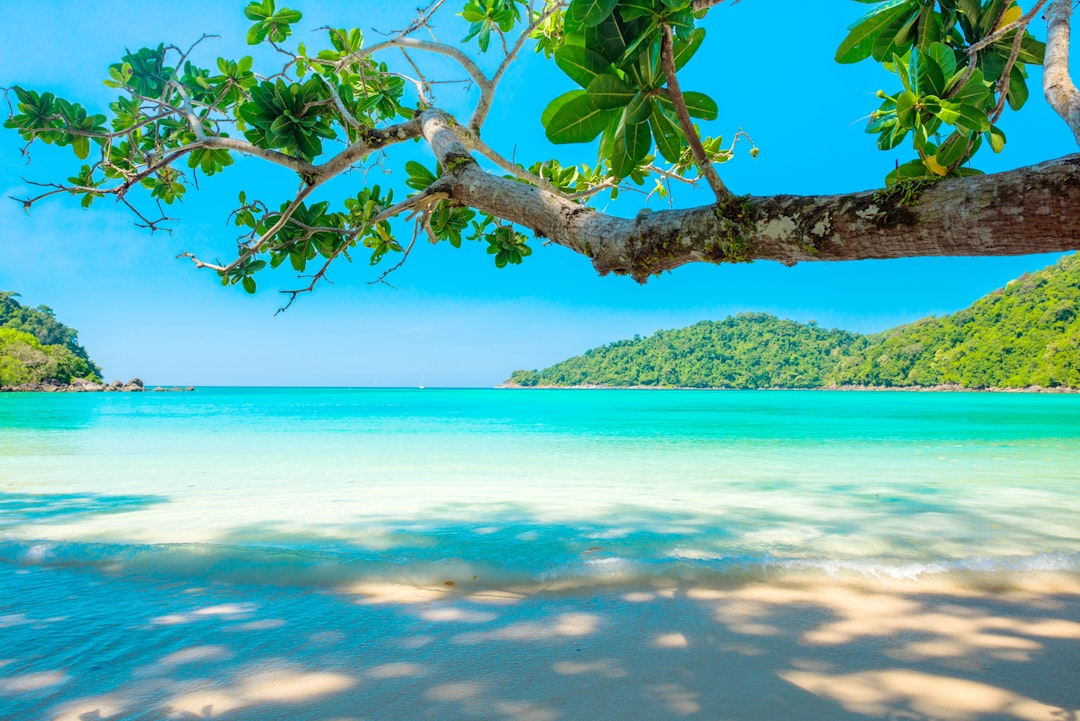

With the low tide, a strip of sand slowly emerges from the emerald sea, connecting the shore to the small islet where the Noppharat Thara lighthouse stands. No boat is needed, no guide is needed: just wait for the right moment and walk, with the warm water lapping at your ankles and the silhouettes of the limestone islands rising on the horizon like teeth of limestone rock. This is one of those places where Thailand stops being a postcard backdrop and becomes something physically astonishing.
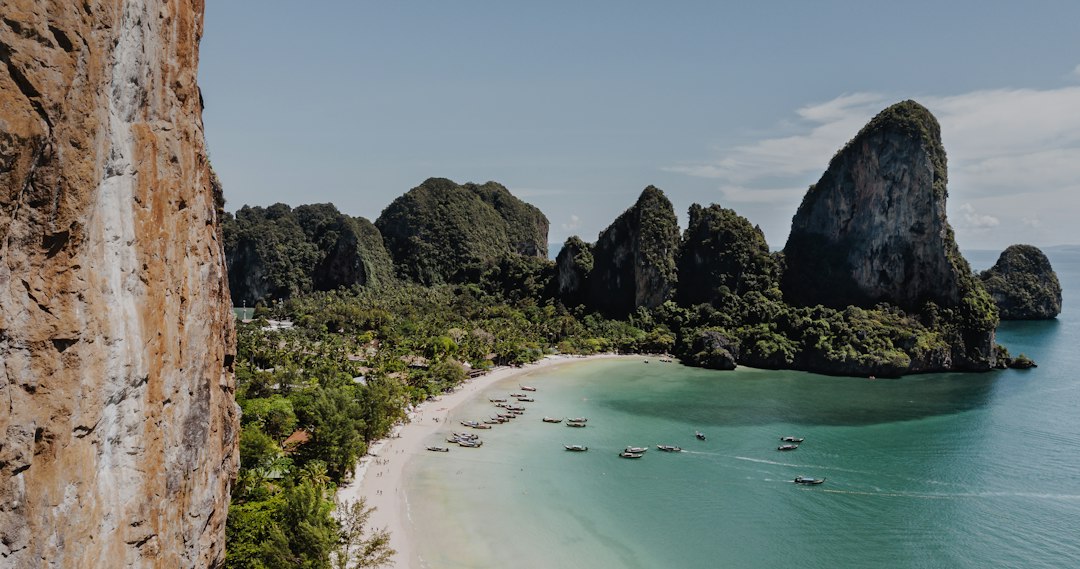
Noppharat Thara Beach is located a few kilometers north of Ao Nang, in Krabi province, and is part of the Hat Noppharat Thara–Mu Ko Phi Phi National Park, a protected marine area established in 1983 that encompasses over 390 square kilometers of sea, islands, and coastal forests. The lighthouse located at the western end of the beach is an operational lighthouse, small and functional, that continues to perform its signaling duty for vessels navigating between the islands of the park.
A walk that depends on the moon
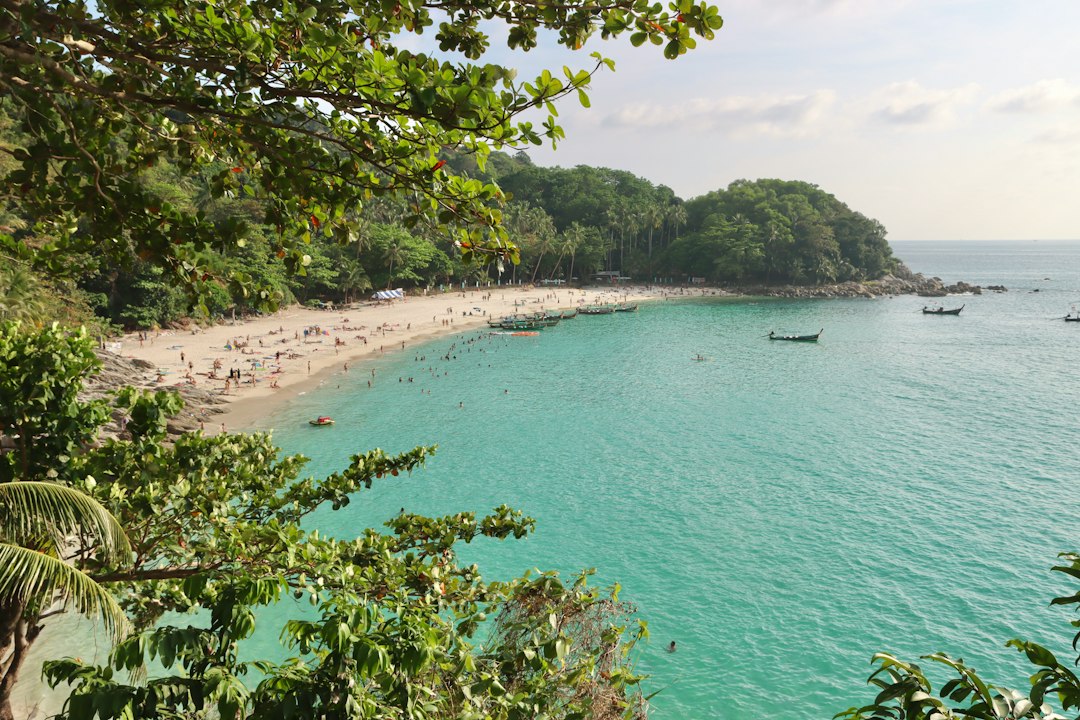
The most spectacular time to reach the lighthouse is during low tide, when the sandbanks emerge and you can walk on the shallow water for about 400-500 meters to the islet. The surface underfoot is a mix of compact sand, seaweed, and small coral rocks, so it is advisable to wear beach sandals or rock shoes to protect your feet. The walk usually takes 15-20 minutes of leisurely walking.
The time window for crossing on foot is limited: at high tide, the islet is completely surrounded by water and unreachable without a boat. Before setting off, it is essential to consult the local tide tables — available for free online or at the guesthouses in the area — and plan the visit at least an hour and a half before the low tide peak. Those who linger risk having to wait for hours or returning with water up to their knees.
The lighthouse and the surrounding landscape
The lighthouse of Noppharat Thara is a slender structure painted white, characteristic of small Thai coastal lighthouses. It is not open for visits inside — it is an active facility managed by maritime authorities — but its presence on the islet is visually striking: behind it, the shallow waters reflect the vertical walls of the karst islands that emerge from the sea in irregular and dramatic shapes, sculpted by limestone erosion over millions of years.
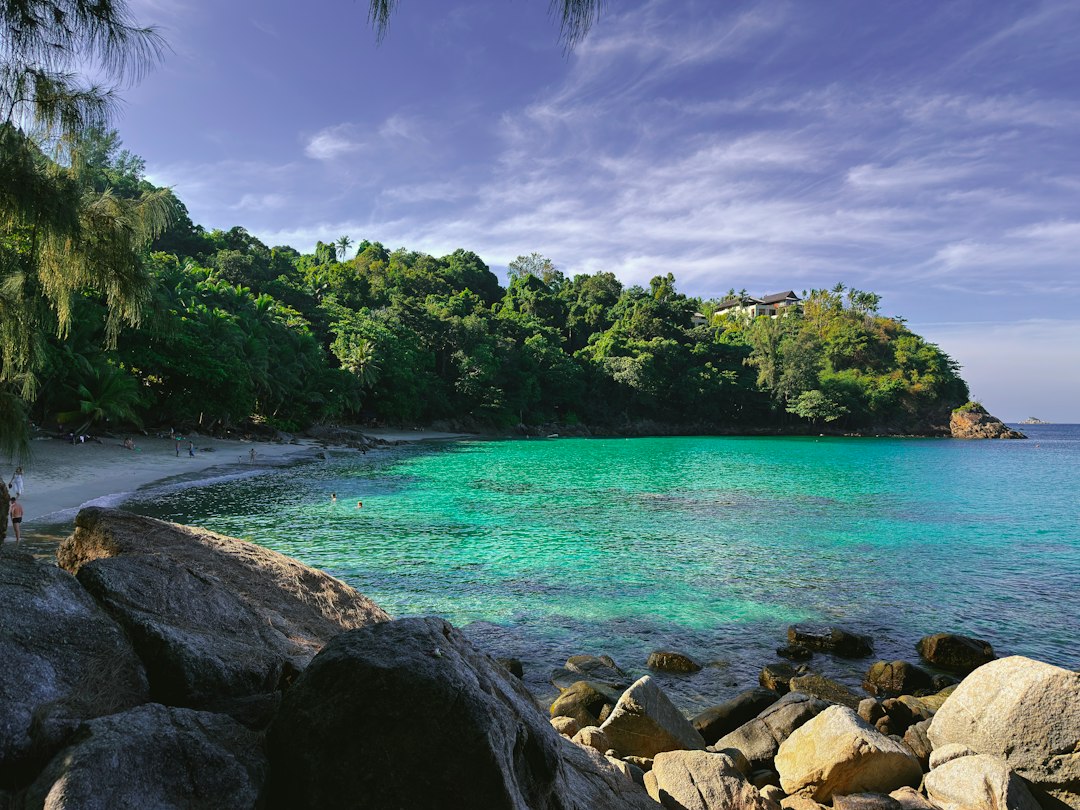
From the islet, there is a privileged view of the entire bay: to the east, one can see the long stretch of Noppharat Thara Beach, one of the largest beaches in the area, about three kilometers long, lined with casuarina trees that provide natural shade. To the west, the waters of the marine park open up towards the islands of Ko Hong and the extensions of the Phi Phi archipelago. With the light of early morning or late afternoon, the colors of the sea transition from aquamarine to deep turquoise within just a few meters.
How to get there and what to expect
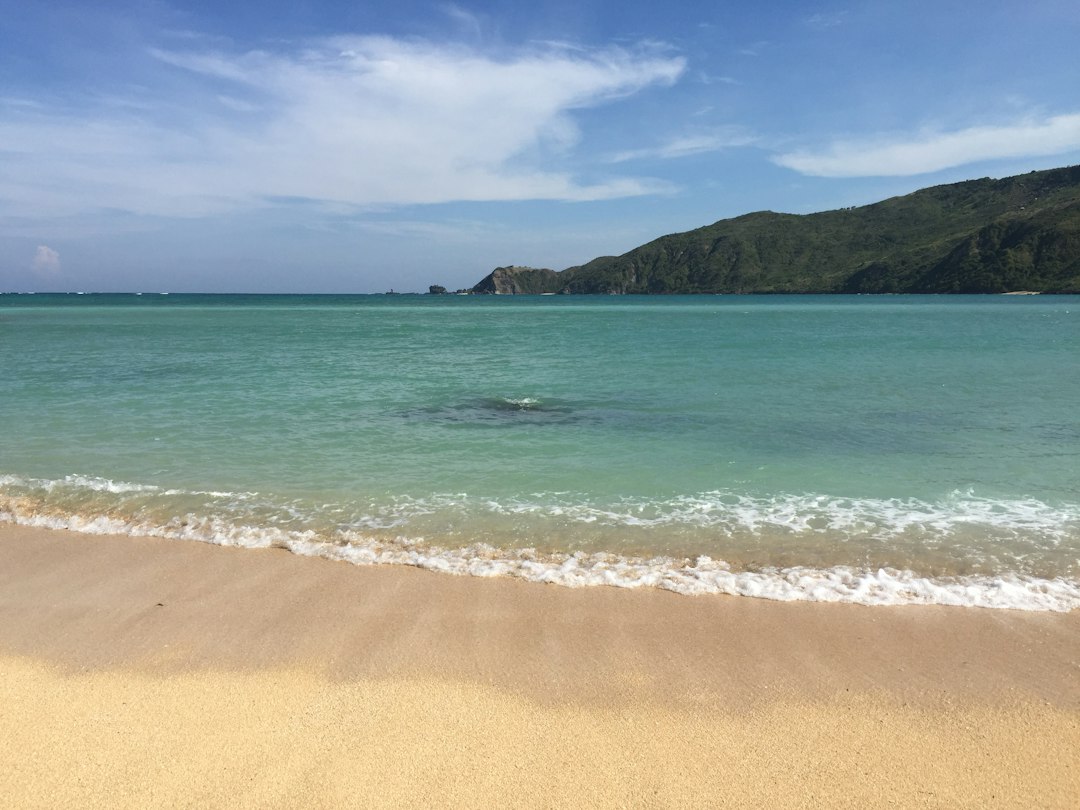
Noppharat Thara beach can be reached from Ao Nang in about 10 minutes by songthaew — the shared open-back taxis typical of Thailand — or by motorcycle taxi. Many visitors also arrive by rented scooter, one of the most flexible options in the area. Access to the beach is free for foreign tourists who only stay on the shore; to access the marine park with boat tours, an entrance fee to the national park is required, which is approximately 200 baht for foreign adults, although rates may vary.
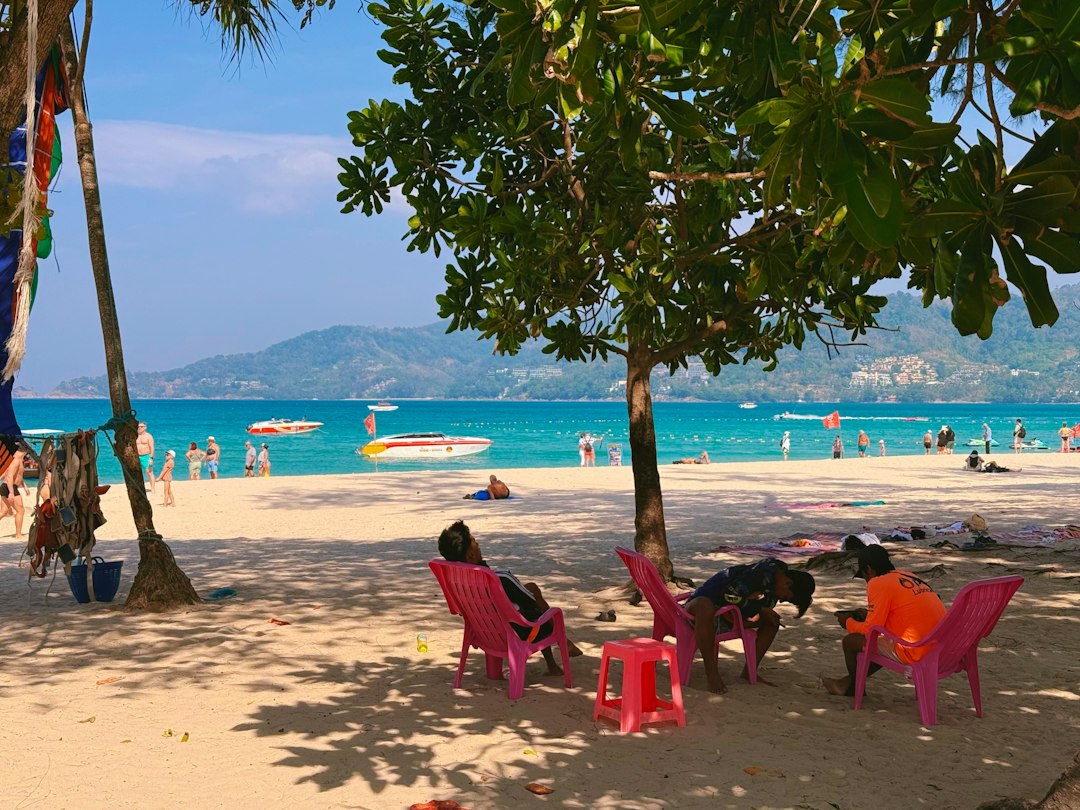
The beach itself is much less crowded compared to Ao Nang and nearby Railay, making it an interesting choice for those seeking some tranquility. Along the shore, there are some kiosks and simple restaurants where you can eat fresh seafood at local prices. The most helpful advice is to arrive early in the morning — between 7 and 9 — when the light is golden, the heat is still bearable, and the low tide often coincides with the early hours of the day, making it possible to walk to the lighthouse before the beach gets crowded.
Why the Detour is Worth It
In an area like Krabi, where natural attractions abound and tourists always focus on the same destinations, Noppharat Thara offers something quieter and more direct. The lighthouse is neither a historical monument nor an exceptional architectural structure: it is simply a functional object in an extraordinary landscape, reachable on foot when the sea allows it. And it is precisely this combination — the dependence on tides, the walk on shallow water, the limestone islands in the background — that makes it an experience hard to forget.
Those who visit Krabi and only stop at Ao Nang or Railay miss one of the most authentic scenes of the coast: a small white lighthouse surrounded by green sea, with the silence broken only by the wind and the sound of waves slowly rising over the sandbanks.


