
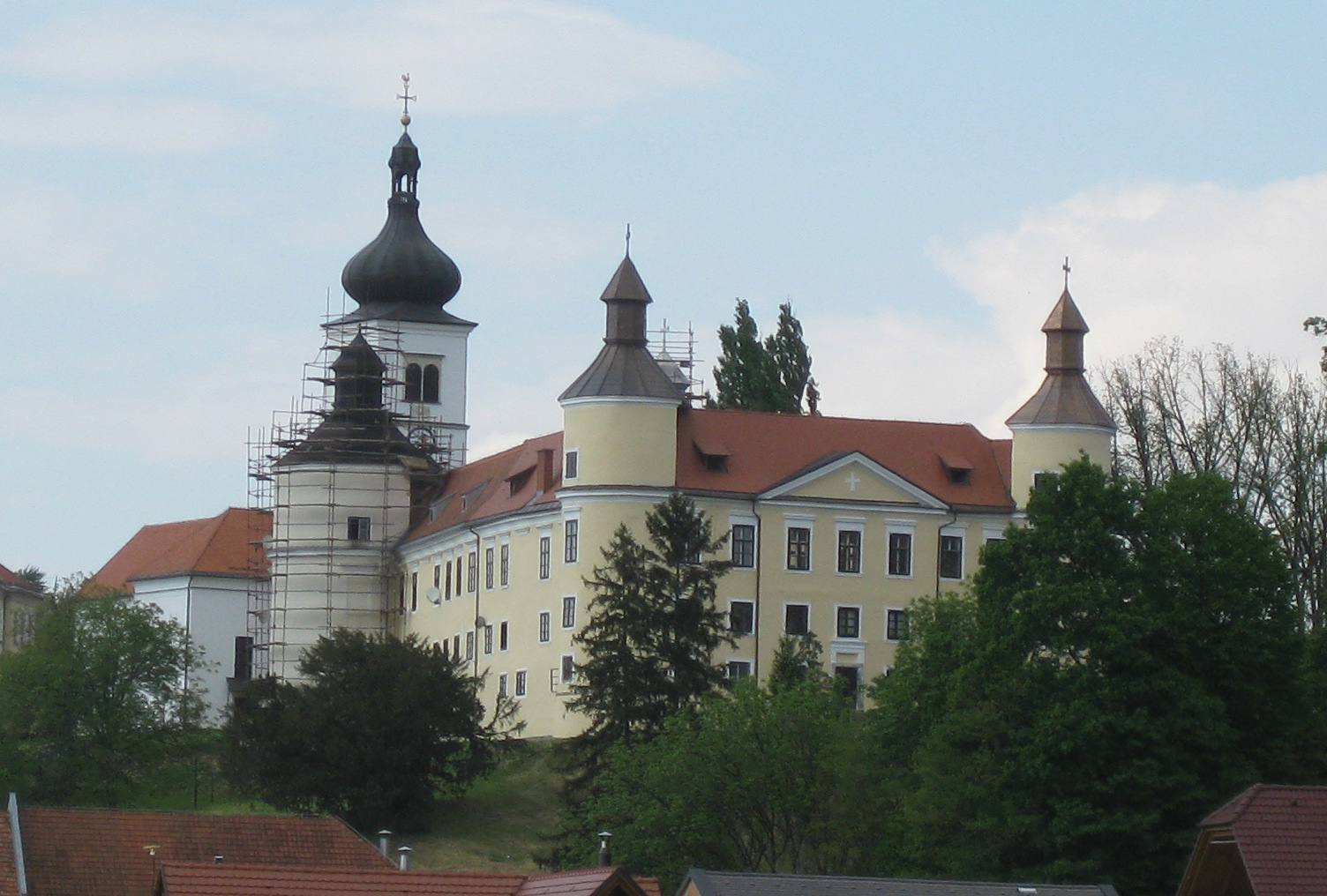

Nestled in the serene landscape of Velika Nedelja, Slovenia, the commanding presence of a historic castle whispers tales of the past. This fortress, once the Commandry of the Teutonic Knights, has been a silent witness to centuries of history, and its very walls are steeped in intrigue.
The origins of this castle can be traced back to 1273, although its roots delve deeper, to around 1200, when Friedrich of Ptuj, a ministerial of Salzburg, seized the land with the assistance of the German knights’ order. The Teutonic Knights, known for their military prowess and religious zeal, established a stronghold here that played a vital role in the region's defense and governance. Over the years, the castle underwent various transformations, particularly during the Renaissance, yet the medieval core still stands resilient in the south-western part of the structure.
Architecturally, the castle is a fascinating fusion of styles. While the Renaissance elements dominate its façade, the medieval architecture is discernible, providing a glimpse into its storied past. The Baroque well, adorned with a wrought-iron crown, is a striking feature in the castle yard, serving as a reminder of the artistic craftsmanship of the era.
Inside the castle chapel, once the repository of exquisite Gothic sculptures of St. Catherine, St. Barbara, and Pietà from the early 15th century, one can appreciate the artistry that flourished during this period. Although these original pieces now reside in Ptuj Castle, a newly crafted relief of the coat of arms belonging to komturs Marquard von Eckh from 1612 can be found embedded in the castle wall, a testament to the enduring legacy of the Teutonic Knights.
The local culture of Velika Nedelja is vibrant and deeply rooted in tradition. The community celebrates various festivals throughout the year, with special emphasis on religious observances that reflect the area's rich spiritual heritage. The annual festivities often include traditional music, dance, and local craftsmanship, allowing visitors to immerse themselves in the unique Slovene culture. A visit during the harvest season reveals the town's deep connection to agriculture and the celebration of local produce, where the bounty of the land is showcased through markets and communal feasts.
Speaking of local produce, the gastronomy of Velika Nedelja is a delightful exploration of flavors. Traditional dishes often feature hearty ingredients, with a focus on seasonal and locally sourced foods. One must try Štruklji, a rolled dough dish filled with various fillings, ranging from sweet to savory. Pair this with a glass of local wine, perhaps from the nearby Posavje wine region, where the Cviček red wine is particularly cherished. This wine, light and refreshing, complements the local cuisine beautifully and is a staple at many gatherings and celebrations.
Among the lesser-known curiosities of the castle is the intriguing Baroque well mentioned earlier. Not only is it a beautiful feature, but it also served practical purposes for the castle's inhabitants, showcasing the ingenious designs of the time. Additionally, visitors may be surprised to learn that the castle's architectural style reflects the socio-political shifts of its era, mirroring the transitions from medieval fortification to Renaissance grace.
For those planning a visit, the best time to explore Velika Nedelja is during the late spring and early autumn months when the weather is mild and the surrounding countryside is awash with color. The castle is often open to visitors, and engaging with local guides can enrich your understanding of the site’s history and significance. Be sure to look for the exhibitions on display, which include an ethnological collection and a presentation titled Velika Nedelja through the centuries, offering insights into the local lifestyle and heritage.
To fully appreciate the charm of Velika Nedelja and the stories embedded within its castle walls, consider using the Secret World app for a personalized AI itinerary that will guide your exploration.


