
← Back

Monument of Orpheus

Slovenski trg 7, 2250 Ptuj, Slovenia ★★★★☆ 343 views
Francisca Gutierrez
Slovenski trg 7
🏆 AI Trip Planner 2026

Get the free app

Discover the best of Slovenski trg 7 with Secret World — the AI trip planner with 1M+ destinations. Get personalized itineraries, hidden gems and local tips. Free on iOS & Android.

🧠 AI Itineraries 🎒 Trip Toolkit 🎮 KnowWhere Game 🎧 Audio Guides 📹 Videos
Download on the App Store Get it on Google Play
Scan to download Scan to download
Monument of Orpheus - Slovenski trg 7 | Secret World Trip Planner

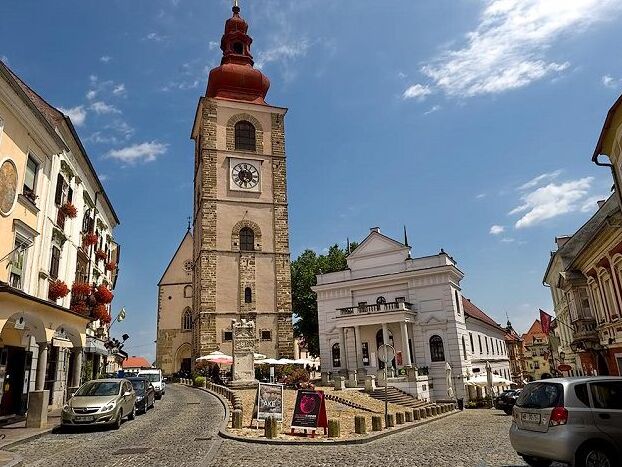
Nestled in the heart of Slovenia, the Monument of Orpheus stands as a captivating testament to the region's rich tapestry of history, mythology, and artistry. This impressive marble stele, soaring over five meters high, is not merely a relic from the Roman period; it embodies the cultural ethos of Poetovio, an ancient city whose echoes still resonate in modern Ptuj.

### History and Origins

The Monument of Orpheus, or Orfejev spomenik, dates back to the 2nd century AD and commemorates Marcus Valerius Verus, who served as mayor of Poetovio. This site was once a thriving Roman settlement, strategically located near the confluence of trade routes, which facilitated the exchange of goods and ideas. Over centuries, Poetovio evolved, experiencing periods of prosperity and decline, but the monument has endured as a symbol of its historical significance.

Following the fall of the Roman Empire, the stele saw a rather unique transformation. During the Middle Ages, it was repurposed as a pillory, where wrongdoers were publicly shamed. Iron rings, embedded in the lower half of the monument, were used to bind those found guilty of crimes, a stark reminder of the harsh justice of the time.

### Art and Architecture

The artistic significance of the Orpheus Monument lies not only in its historical context but also in its elaborate reliefs. The central relief depicts Orpheus, the legendary figure known for his enchanting music that could charm even the fiercest of beasts. He is portrayed playing the lyre, his expression a poignant mixture of sorrow and beauty, mourning the loss of his beloved Eurydice.

Surrounding this captivating scene are additional reliefs that have suffered considerable damage over time. These portray the Greek-Egyptian god Serapis, a deity symbolizing abundance and healing, while the corners feature a lion devouring a ram—a representation of strength and sacrifice. In the tympanum above, the moon goddess Selene graces the monument, adding a celestial dimension to its already rich narrative.

Architecturally, the monument reflects the classical styles of Roman artistry, characterized by detailed carvings and a robust structure that has withstood the test of time. Its placement in front of the Civic Tower amplifies its significance, merging the ancient with the contemporary in the vibrant square of Ptuj.

### Local Culture and Traditions

The cultural heritage of Ptuj is deeply intertwined with that of the Orpheus Monument. The town celebrates various festivals that highlight its historical roots and artistic legacy. One of the most notable is the Ptuj Carnival, celebrated in the winter months, where locals don intricate masks and costumes, reviving ancient traditions that echo the spirit of the past.

Another significant cultural event is the Festival of Orpheus, which pays homage to the mythological figure. During this festival, performances and art exhibitions showcase music and drama, drawing inspiration from the themes of love, loss, and artistry that Orpheus embodies.

### Gastronomy

No visit to Ptuj would be complete without indulging in its local culinary delights. Traditional dishes often reflect the region's agricultural bounty. Štruklji, a rolled dough dish typically filled with various fillings, is a local favorite, often served as a side dish or dessert. Pair this with a glass of Cviček, a light, fruity wine native to the region, and you’ll experience the flavors of Ptuj in every bite and sip.

Another must-try is Jeruzalem wine, celebrated for its unique terroir. The local vineyards produce some of Slovenia's finest wines, making wine tasting an integral part of the Ptuj experience.

### Lesser-Known Curiosities

While many tourists flock to the Monument of Orpheus, few are aware of its intriguing backstory. The stele was rediscovered in the 17th century, buried beneath layers of soil and history, much like the stories it tells. Additionally, the monument's dual purpose as a decorative and punitive structure offers a fascinating glimpse into the juxtaposition of beauty and brutality in human history.

Furthermore, the connection between Orpheus and the town’s name is not merely coincidental; it symbolizes the enduring power of art and music to transcend time and societal norms, a theme that resonates deeply in Slovenian culture.

### Practical Visitor Information

The best time to visit the Monument of Orpheus is during the late spring and early autumn months, when the weather is mild and conducive for exploring the charming streets of Ptuj. As you wander through the town, take a moment to appreciate the intricate details of the monument, and consider visiting during one of the local festivals for a richer experience.

For a truly immersive experience, engage with local guides who can provide deeper insights into the monument’s significance and the tales woven into its stone. Don’t forget to explore the nearby Civic Tower, which offers panoramic views of the town, adding another layer to your understanding of Ptuj’s historical landscape.

As you plan your journey, consider utilizing the Secret World app for a personalized itinerary that will help you uncover the hidden gems of this enchanting destination.

🗺 AI Trip Planner

Plan your visit to Slovenski trg 7

Suggested itinerary near Monument of Orpheus

MAJ+
500.000+ travelers worldwide
  1. 🌅
    Morning
    Monument of Orpheus
    📍 Slovenski trg 7
  2. ☀️
    Afternoon
    Ptuj, the oldest town in Slovenia
    📍 0.1 km da Slovenski trg 7
  3. 🌆
    Evening
    Everything here is reminiscent of the Austro-Hungarian era: Ptuj
    📍 0.1 km da Slovenski trg 7

Buy Unique Travel Experiences

Powered by Viator

See more on Viator.com

Explore nearby · Slovenski trg 7
