


Nestled in the vibrant 20th arrondissement of Paris, the Notre-Dame de la Croix de Ménilmontant stands as a testament to the city's rich spiritual and architectural heritage. With its stunning 78-meter clock tower, this church not only dominates the skyline but also serves as a focal point for the local community.
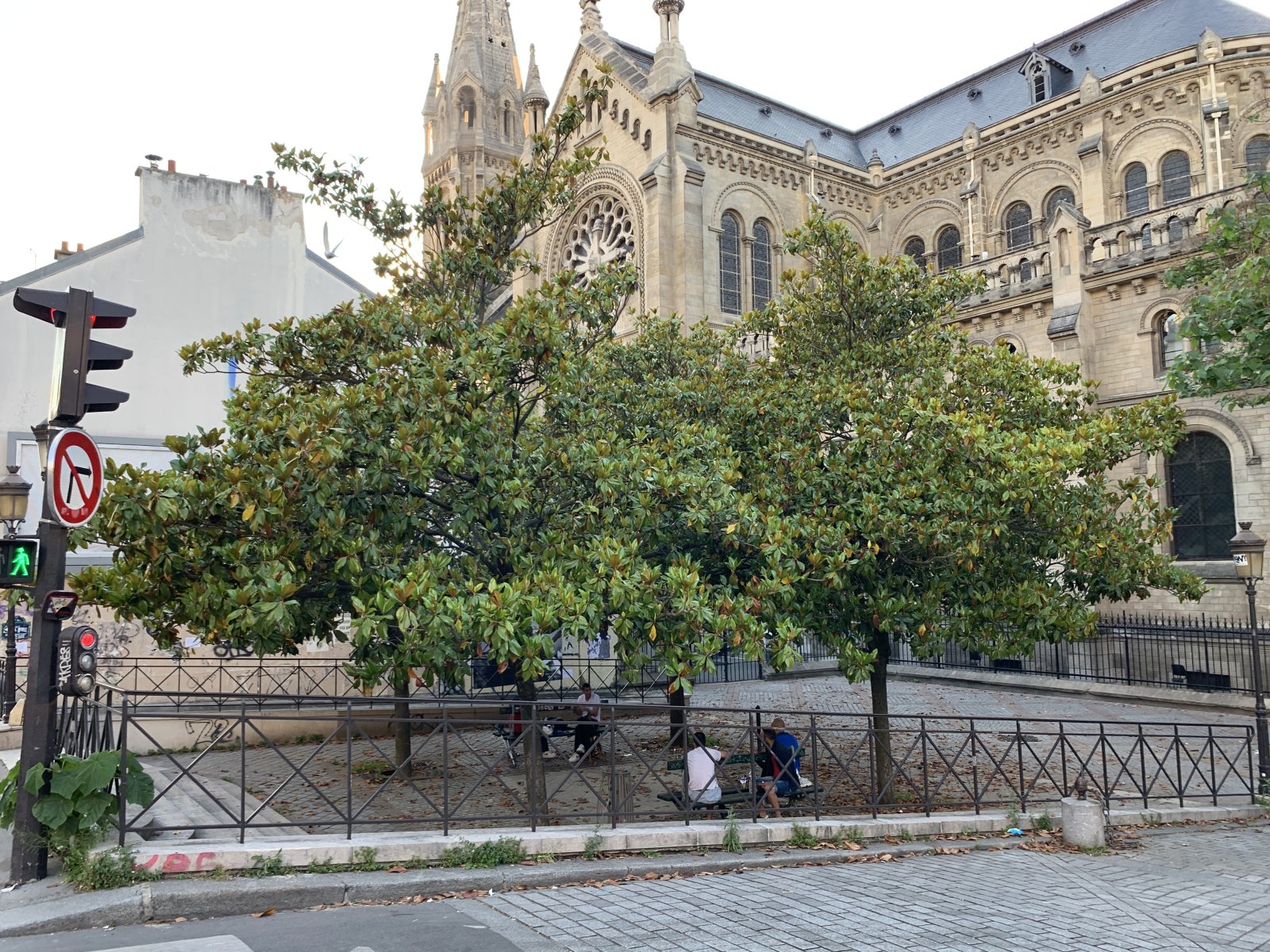
The origins of Notre-Dame de la Croix de Ménilmontant trace back to the early 19th century. Built between 1857 and 1865, it was part of a wave of church constructions in response to the burgeoning population in this working-class neighborhood. The church was designed by architect Jean-Baptiste-Antoine Lassus, who is notable for his work on the Sainte-Chapelle and the Basilica of Saint-Sernin in Toulouse. The church was consecrated on February 15, 1870, just before the turmoil of the Franco-Prussian War, which would significantly impact the area.
Architecturally, Notre-Dame de la Croix de Ménilmontant is remarkable for its innovative use of an exposed metal frame in its vault, a feature that set it apart from the more traditional stone constructions of the time. This design not only highlights the transition to modern building techniques but also enhances the church's spacious interior. The high, airy nave and intricate stained glass windows create a serene atmosphere, inviting contemplation and prayer. One of the most notable artworks within the church is the Altar of the Virgin, adorned with delicate sculptures that reflect the artistic sensibilities of the period.
The local culture surrounding Notre-Dame de la Croix de Ménilmontant is deeply intertwined with its history. The church has long served as a gathering place for residents, offering a sense of community and belonging. Local customs include holding regular masses, as well as special ceremonies during Easter and Christmas, where the church is beautifully decorated and filled with music from the choir. The annual Fête de la Croix, celebrated in September, draws visitors and locals alike, featuring processions, music, and food stalls that showcase the neighborhood's diverse culinary heritage.
Gastronomically, the Ménilmontant area offers a delightful mix of traditional French fare and international cuisine. Just a short walk from the church, visitors can find cozy bistros serving coq au vin and ratatouille, as well as vibrant market stalls selling fresh produce and artisanal products. Don’t miss trying the local specialty, canelé, a small pastry with a soft custard center and a caramelized crust, perfect for a sweet treat after exploring the area.
For those intrigued by lesser-known curiosities, the Notre-Dame de la Croix de Ménilmontant has its share of unique stories. One fascinating aspect is its connection to the Paris Commune of 1871, when the church was briefly used as a refuge for those fleeing the political upheaval. Additionally, the church is reputed to have hosted various famous figures over the years, including the surrealist poet Paul Éluard, who drew inspiration from the neighborhood's eclectic spirit.
Visiting Notre-Dame de la Croix de Ménilmontant is best during the spring and autumn months when the weather is mild and the vibrant foliage adds to the church's charm. Arriving early in the morning allows you to experience the quiet tranquility of the church before the day begins. Take time to admire the intricate details of the architecture and the surrounding neighborhood, which is filled with art galleries and quaint cafés.
For a truly enriching visit, explore the nearby Cimetière du Père Lachaise, where many notable figures, including Jim Morrison and Édith Piaf, are laid to rest. This famous cemetery offers a beautiful contrast to the lively streets of Ménilmontant and provides a glimpse into the history of the area.
As you plan your journey, keep in mind that the Notre-Dame de la Croix de Ménilmontant is more than just a church; it embodies the spirit of a vibrant community and a rich tapestry of history. For an unforgettable experience, consider using the Secret World app to craft a personalized itinerary that dives deep into the heart of Paris's 20E arrondissement.


