
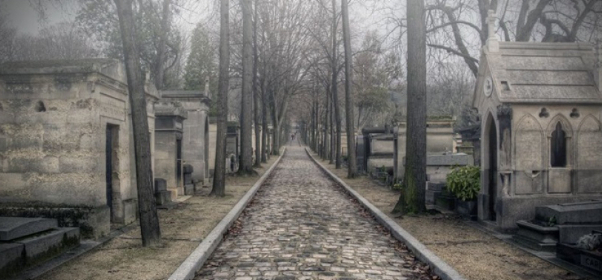

In the heart of Paris, where the city's modern pulse meets echoes of the past, lies a hauntingly beautiful sanctuary of history and art: Père Lachaise Cemetery. This sprawling necropolis, covering 110 acres, offers a unique journey through time, where the stories of renowned figures and lesser-known souls intertwine beneath the shade of ancient trees.
Established in 1804 by Napoleon Bonaparte, Père Lachaise was designed to address overcrowding in the city's churchyard cemeteries. Named after Father François de La Chaise, the confessor of King Louis XIV, the cemetery's inauguration marked a shift in burial practices. Initially, Parisians were hesitant to bury their dead so far from the city center. However, a clever marketing strategy involving the transfer of the remains of Molière and La Fontaine to the cemetery soon transformed it into a fashionable final resting place.
Père Lachaise is not just a cemetery; it is an open-air museum of art and architecture. The burial ground reflects diverse architectural styles, from Gothic to Art Deco, showcasing the creativity of the 19th and 20th centuries. Among the impressive tombs, the Chopin mausoleum stands out with its white marble sculpture of the muse of music, while the tomb of Oscar Wilde is a modernist masterpiece by Jacob Epstein, once notorious for its lipstick-marked kisses, now protected by a glass barrier.
The cemetery is a testament to the cultural fabric of Paris. It is a place where the living and the dead coexist in a silent dialogue, where visitors pay homage to the past by leaving tokens and flowers on the graves of luminaries like Marcel Proust, whose works continue to influence literature. The cemetery also hosts annual events, such as guided tours that delve into the lives of its notable residents, offering insights into the cultural and historical significance of each.
While Père Lachaise may not be directly associated with gastronomy, it is a part of the Belleville district, known for its vibrant culinary scene. Visitors can venture outside the gates to enjoy traditional French cuisine. Local bistros serve coq au vin and ratatouille, paired with a crisp glass of Sancerre or a robust Bordeaux—a fitting tribute to the timeless elegance of the city.
For those seeking lesser-known curiosities, Père Lachaise offers plenty of surprises. One intriguing story is that of Victor Noir, a journalist whose tomb has become a symbol of fertility. Legend has it that touching the statue of Noir, particularly his well-polished bronze shoes and lips, brings good luck in love and fertility. Another hidden gem is the grave of Allan Kardec, the founder of Spiritism, whose followers still visit to seek guidance from the beyond.
Practical visitor information is essential for those wishing to explore this serene space. The cemetery is open year-round, but the best times to visit are during the spring and fall when the weather is mild, and the foliage paints a picturesque backdrop. A map is invaluable for navigating the vast grounds, highlighting must-see graves and the cemetery's most scenic paths. Comfortable shoes are a must for the cobblestone lanes, and a respectful silence is appreciated, as Père Lachaise is still an active burial site.
Visiting Père Lachaise is more than a step into the past; it is an exploration of life itself, through the lens of those who have shaped our world. Whether you come for the history, the art, or the stories whispered by the wind, this iconic cemetery promises an unforgettable encounter with the soul of Paris.


