



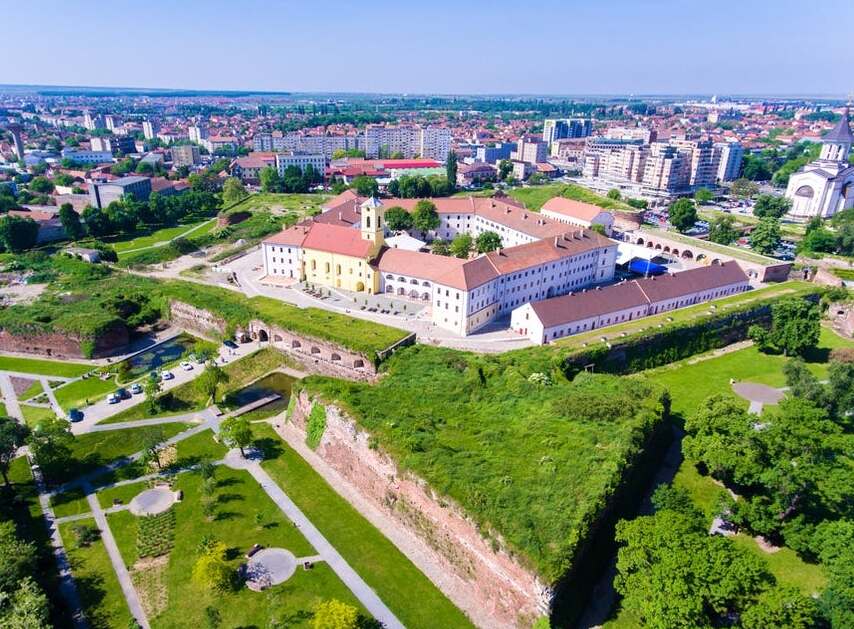
Nestled in the picturesque landscape of Transylvania, the Oradea Fortress represents a critical piece of Romania's historical tapestry. Its origins date back to the 12th century, when it was initially built as a wooden fortification by the Hungarian Kingdom to defend against invasions. Over the centuries, it transformed into a robust stone fortress, undergoing numerous renovations and expansions, especially during the Renaissance period. The fortress's strategic location at the confluence of trade routes made it a vital military stronghold, witnessing significant events like the Siege of Oradea in 1660, when it fell to the Ottoman Empire, and later played a crucial role in the Austro-Hungarian Empire's attempts to reclaim territory during the 17th and 18th centuries. Today, its rich history is palpable as visitors stroll through its well-preserved walls and towers.
From an architectural perspective, the fortress is a stunning example of Renaissance and Baroque styles. Its Vauban-style fortifications, characterized by star-shaped bastions, provide an impressive silhouette against the skyline. The main gate, adorned with intricate carvings, leads into a maze of pathways offering glimpses of the Citadel’s impressive towers and bastions, including the Rudolph Bastion and the Toth Pasha Tower. Inside, visitors can explore various museums showcasing artifacts from the fortress's storied past, including weaponry and medieval tools. The careful restoration completed in 2015 has reinvigorated the fortress, allowing it to serve as a vibrant cultural hub.
Local culture breathes life into the fortress, as it frequently hosts festivals and events that celebrate Romanian and Hungarian traditions. The annual Medieval Festival is a highlight, where locals and visitors alike don period costumes, reliving the past through traditional music, dance, and artisan crafts. The fortress grounds echo with the sounds of sword fights, the aroma of local delicacies, and the laughter of children enjoying medieval games. Such events not only entertain but also serve to educate visitors about the region's rich cultural heritage.
When it comes to gastronomy, the area surrounding the fortress boasts a variety of traditional dishes. Local specialties include gulyas (a hearty beef stew with paprika) and langos (deep-fried flatbread often topped with sour cream and cheese). Pair these with a glass of tuica, a potent plum brandy, for a true taste of Transylvania. The nearby local markets offer a chance to sample artisan cheeses, cured meats, and fresh pastries, all reflecting the culinary diversity of the region.
Despite its historical significance, the fortress holds lesser-known curiosities that add an air of mystery. For instance, it is said that the Czernowitz Gate has a hidden passageway leading to an underground escape route, utilized during sieges. Additionally, the very stones of the fortress whisper tales of famous figures such as Prince Eugene of Savoy, who played a pivotal role in the fortress's defense during the 18th century. These intriguing stories often go unnoticed by tourists, making them a delightful discovery for those who delve deeper into the fortress's history.
For those planning a visit, the best time to explore Oradea Fortress is during the warmer months, specifically from May to September. This period not only offers pleasant weather but also coincides with many cultural events and festivals. Make sure to wear comfortable shoes, as the fortress grounds invite exploration. Don’t miss the panoramic view from the top of the towers, which provides a breathtaking vista of the Oradea skyline and the surrounding countryside.
As you plan your journey to discover the enchanting Oradea Fortress, consider using the Secret World app to craft a personalized itinerary that will enhance your experience in this historical gem.
