



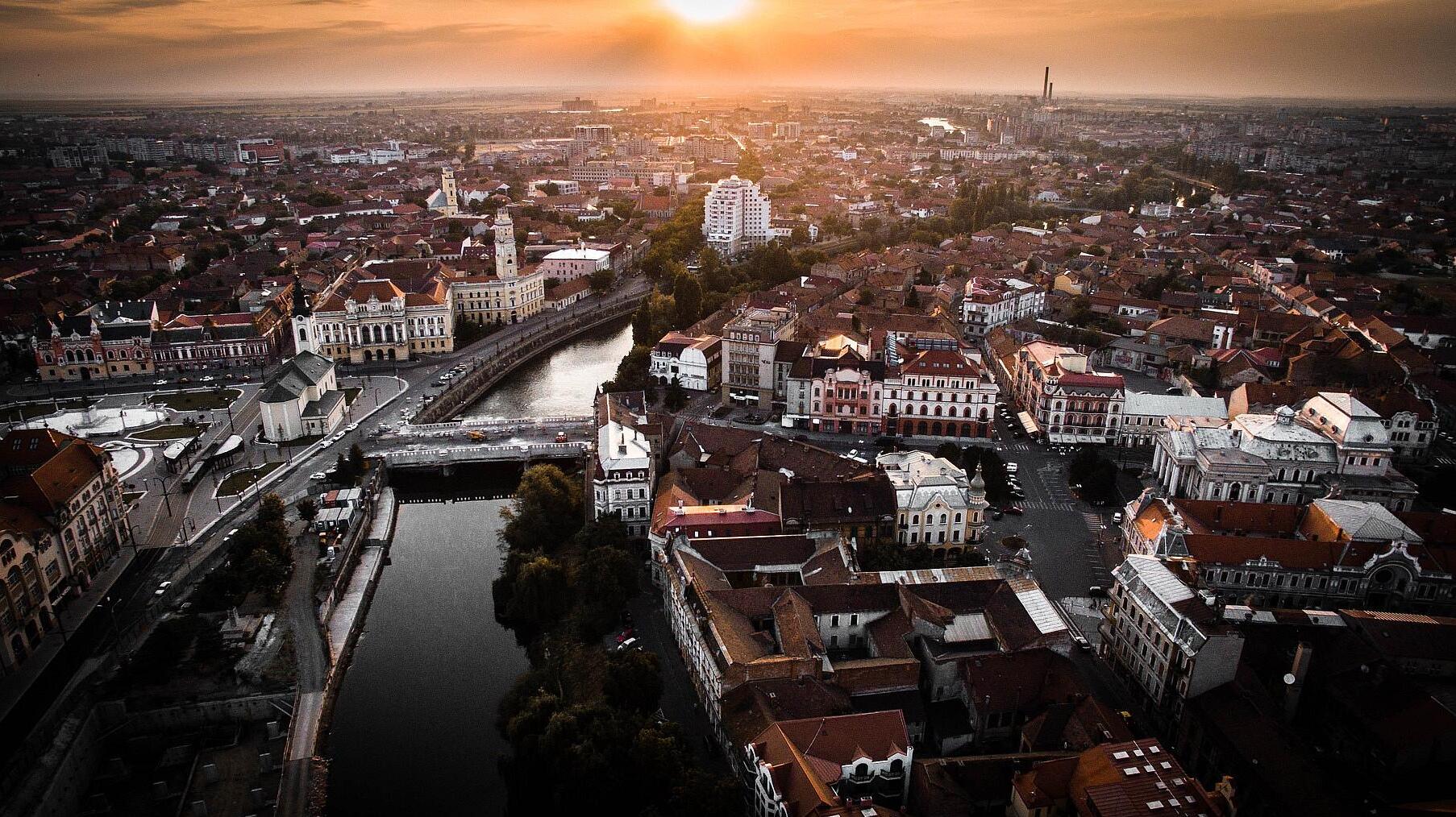
Nestled along the western border of Romania, Oradea is a city that tells the tale of cultural amalgamation and architectural splendor. With its close proximity to Vienna, just 490 km away, it has long been a crossroads of influences, each layer adding to its rich historical tapestry. From its ancient origins to its role as a significant medieval hub, Oradea’s past is as vibrant as its present.
History and Origins
The roots of Oradea date back to Roman times, when it was known as Crisis, a settlement that thrived thanks to its strategic location near the river Crisul Repede. In the 10th century, the city became an important fortress town, and by the 12th century, it was officially recognized as a royal city. Its prominence grew during the Middle Ages, particularly in the 13th century when Oradea Fortress was constructed. This formidable structure served as a crucial defense point in various conflicts, including the wars against the Ottoman Empire.
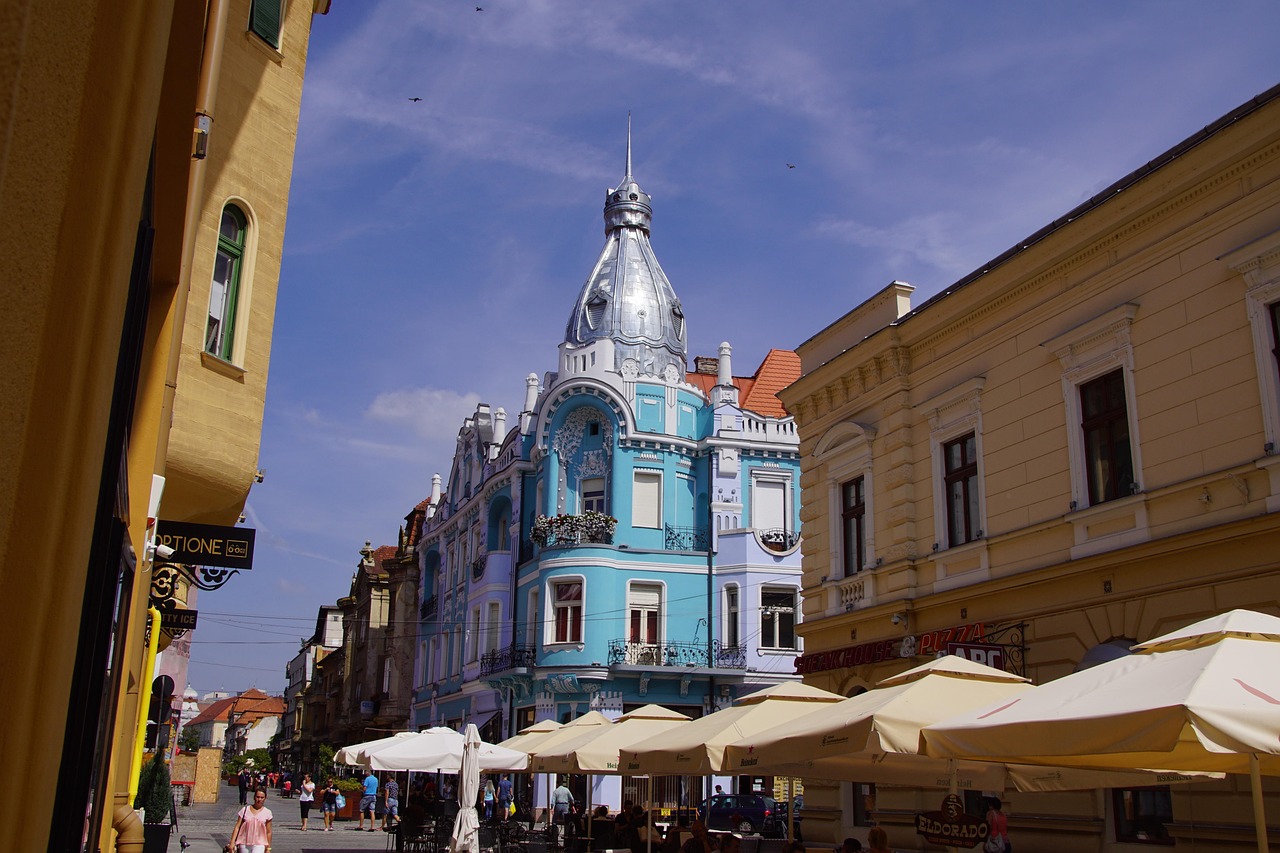
The city's architectural evolution mirrored its historical significance. The dual influences of Hungarian and Austrian governance during the 19th and early 20th centuries resulted in a flourishing of artistic expression, particularly in the Art Nouveau style, which remains a defining characteristic of Oradea today.
Art and Architecture
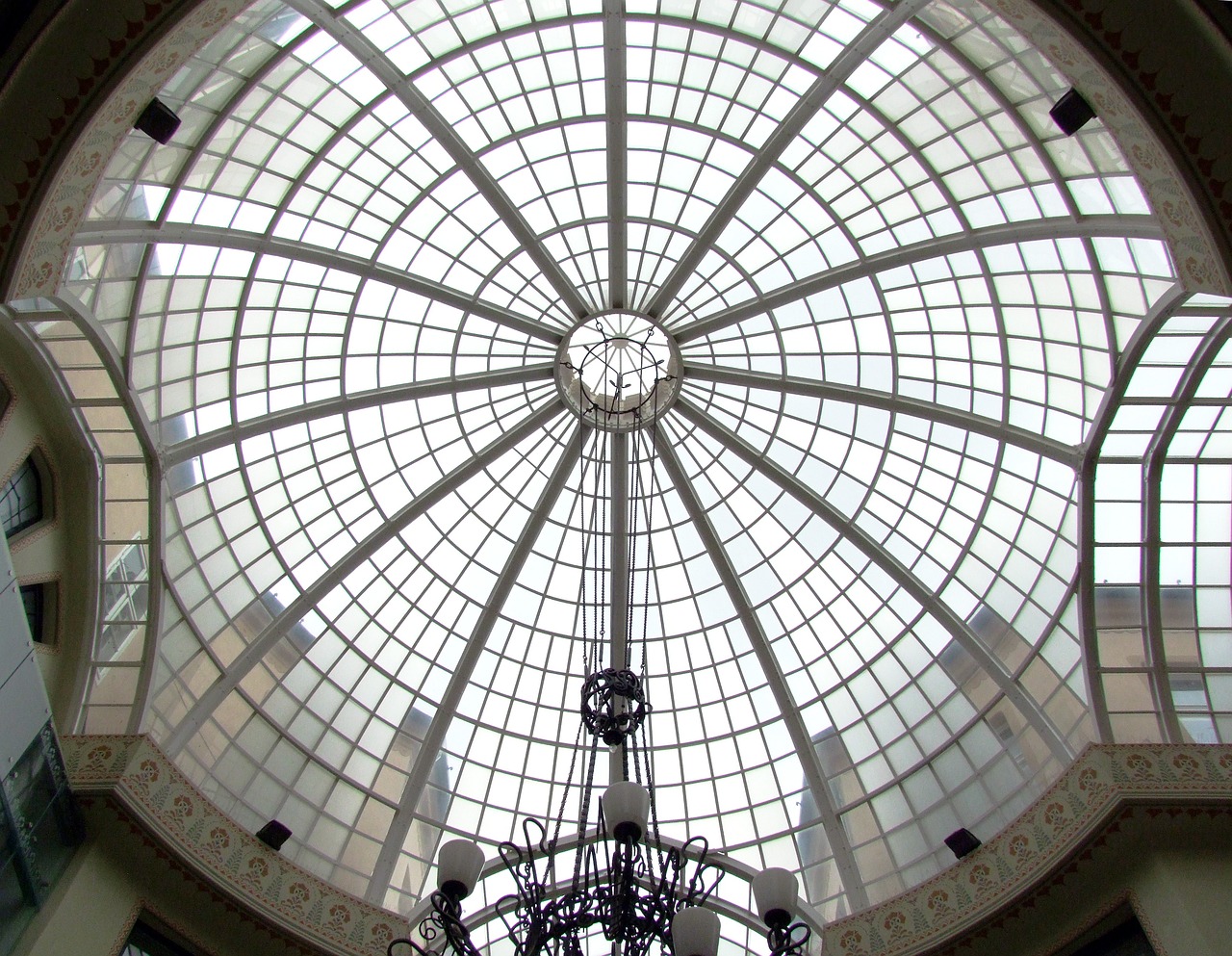
Art Nouveau, also known as Secessionist, is the crown jewel of Oradea’s architectural heritage. The city is home to an impressive collection of buildings designed by renowned architects such as Károly Kós and László Székely. Each facade tells a story, adorned with intricate details inspired by nature, flowing lines, and vibrant colors. Notable examples include the Black Eagle Palace, which boasts stunning glass ceilings and whimsical ornamentation, and the Palace of the Roman Catholic Bishop, a breathtaking edifice that exemplifies the blend of Baroque and Art Nouveau styles.
In 2018, Oradea was recognized as a member of the Art Nouveau Network, a testament to its significant artistic heritage. The city’s architecture is not merely aesthetic; it embodies the historical narrative of cultural exchange and innovation.
Local Culture and Traditions
Oradea's cultural scene is rich and diverse, with traditions deeply rooted in its multi-ethnic background. The city celebrates a variety of festivals throughout the year, reflecting its vibrant community spirit. One of the most prominent events is the Oradea Music Festival, which showcases local and international talent, bringing together various musical genres in the heart of the city.
Another beloved tradition is the Christmas Market, where locals and visitors alike gather to enjoy seasonal delicacies, hand-crafted goods, and live performances. The mix of Romanian, Hungarian, and Jewish influences is palpable in both the festivities and daily life, creating a unique cultural mosaic.
Gastronomy
When it comes to gastronomy, Oradea offers a delightful array of traditional dishes that reflect its diverse heritage. Ciorbă de burtă, a rich tripe soup, is a local favorite, often enjoyed with sour cream and hot chili peppers. Another staple is sarmale, cabbage rolls filled with minced meat and rice, which are especially popular during festive occasions.
For those with a sweet tooth, cozonac, a sweet bread filled with nuts, cocoa, or poppy seeds, is a must-try, particularly around the holidays. Pair these dishes with a glass of țuică, a traditional Romanian plum brandy, for a true taste of the region.
Lesser-known Curiosities
While many visitors are drawn to the stunning architecture and vibrant culture, some hidden gems often go unnoticed. One such curiosity is the Oradea’s Thermal Baths, known for their healing properties and beautifully designed interiors. The baths have been a pilgrimage site for wellness seekers since the 18th century.
Additionally, the Crisul Repede river is not just a picturesque backdrop; it is also home to various species of fish and birds, making it a favorite spot for nature enthusiasts. The recently developed bicycle tracks along the river provide an excellent way to explore the lush greenery that contributes to Oradea being dubbed the green capital of Romania.
Practical Visitor Information
The best time to visit Oradea is during the spring and early autumn months when the weather is mild and conducive for exploring its outdoor attractions. Summer is also an excellent time for festivals, but be prepared for higher temperatures.
Before visiting, consider taking a stroll through the central area, where the architectural styles converge in a spectacular display of color and creativity. Don’t miss a visit to Oradea Fortress, where you can enjoy panoramic views of the city.
For a personalized experience tailored to your interests, consider using the Secret World app to plan your itinerary and uncover the hidden treasures of Oradea.
