
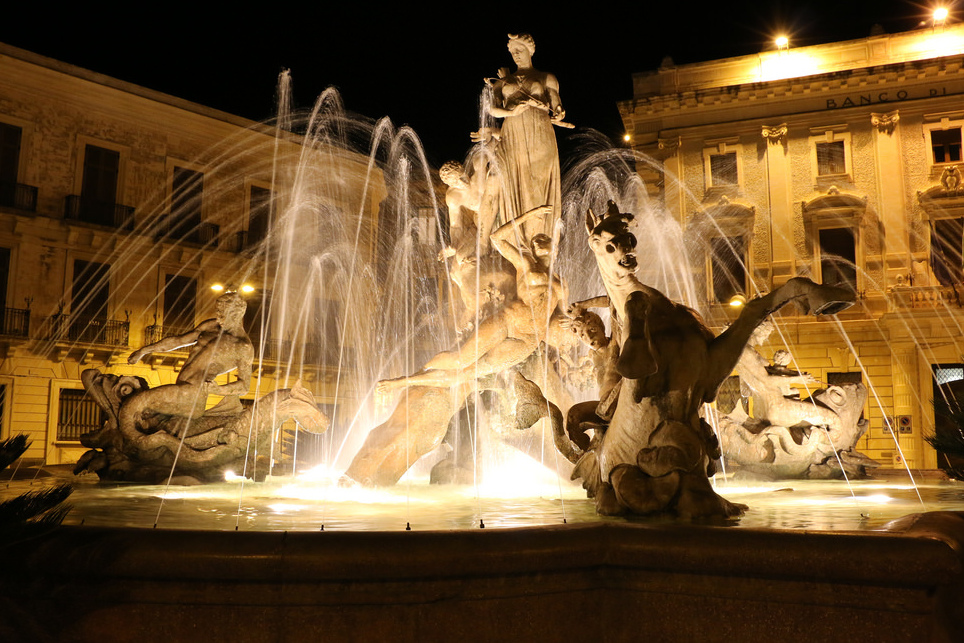

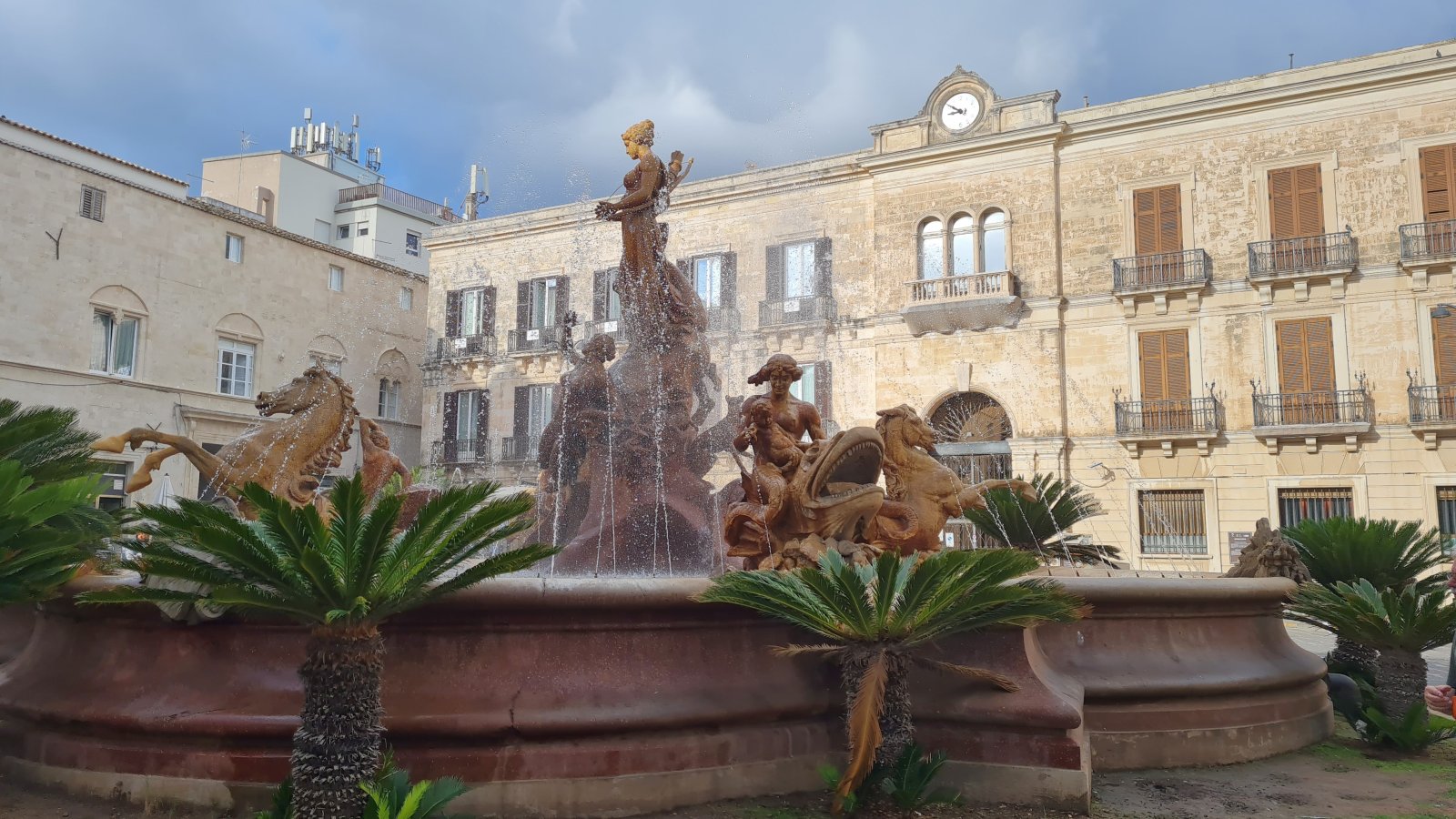
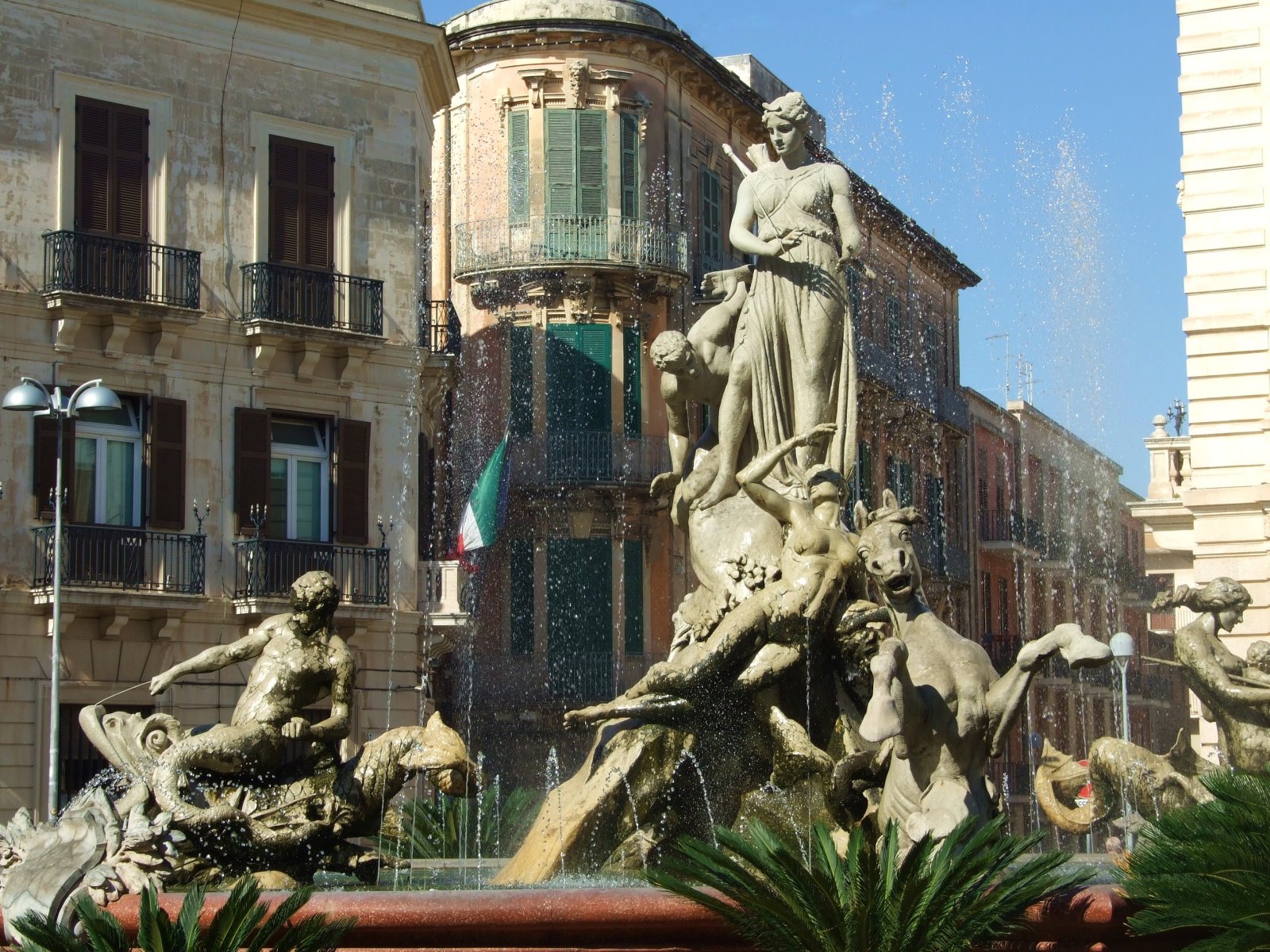
Nestled in the azure waters of the Mediterranean, Ortigia is not just the oldest part of Siracusa, but also a treasure trove of history and culture. This island, rich in ancient stories, was revered in Greek mythology as the home of Diana, the Goddess of Hunting, who played a pivotal role in the lives of its inhabitants. One of the most striking monuments here is the Fountain of Diana, a masterpiece by Giulio Moschetti that embodies the island's mythical past and artistic heritage.
History and Origins The history of Ortigia is as layered as the delicate pastry of a Sicilian cannoli. Founded in the 8th century BC by the Greeks, it became a pivotal trading hub due to its strategic location. The island's Acropolis housed temples dedicated to various deities, including the goddess Athena, reflecting the city’s wealth and cultural significance. Siracusa was known for its scholars, like the great philosopher Archimedes, who hailed from this remarkable city. Over the centuries, it witnessed the rise and fall of various civilizations, including the Romans, Byzantines, and Arabs, each leaving an indelible mark on its landscape.
Art and Architecture One cannot visit Ortigia without marveling at its stunning Baroque architecture. The Fountain of Diana, located in Piazza Archimede, is a central piece of this artistic tapestry. Completed in 1907, it features a majestic statue of Diana, poised gracefully, surrounded by lush greenery and flowing water. At her feet lies Alfeo, the river god, embodying the tragic love story of Arethusa, who was transformed into a spring at Diana's behest. This fountain is not merely a decorative piece; it tells the story of love, transformation, and the connection between humanity and nature, making it a vital part of Ortigia's artistic heritage.
Local Culture and Traditions Ortigia is alive with vibrant local customs and traditions. The bustling markets of Mercato di Ortigia are a feast for the senses, where vendors sell fresh seafood, olives, and aromatic herbs that define Sicilian cuisine. Every year, the island hosts the Festa di Sant Lucia in December, celebrating the patron saint of Siracusa with processions, traditional music, and culinary delights, including the famous cavatieddi pasta. The locals maintain a strong sense of identity, blending influences from their ancient Greek roots with contemporary Sicilian life, making Ortigia a living museum of culture.
Gastronomy Sicilian cuisine is an essential part of Ortigia's charm. The island is known for its seafood dishes, particularly spaghetti ai ricci di mare (sea urchin pasta) and swordfish involtini. A visit to Ortigia wouldn’t be complete without trying granita, a refreshing semi-frozen dessert, often enjoyed at breakfast with a warm brioche. The local wine, particularly Nero d'Avola, pairs beautifully with the rich flavors of the island's dishes, making dining in Ortigia an unforgettable experience.
Lesser-known Curiosities Despite its popularity, Ortigia has its secrets. One intriguing detail is the hidden Aretusa Spring, which is less frequented by tourists. This natural spring, where Arethusa emerged, is surrounded by papyrus plants, a remnant of the island’s ancient Greek connection to Egypt. The Palazzo Beneventano del Bosco, another hidden gem, boasts an intricate facade adorned with Moorish influences, a nod to the island's diverse historical tapestry. Additionally, if you look closely at the fountain, you may find small details like the figures of fish and nymphs, often overlooked by hurried visitors.
Practical Visitor Information The best time to visit Ortigia is during the spring (April to June) or fall (September to October) when the weather is mild, and the crowds are thinner. To fully appreciate the Fountain of Diana, visit early in the morning or later in the evening when the soft light casts enchanting shadows. Wander through the narrow streets, stopping at cafes to savor a cannoli while soaking in the vibrant atmosphere. Don’t forget your camera to capture the stunning views of the surrounding sea and the magnificent architecture.
In this enchanting corner of Sicily, history and mythology intertwine beautifully, making Ortigia an unforgettable destination. Whether it's savoring local flavors or wandering through ancient streets, the island invites you to explore its storied past and lively present. For a truly customized experience, consider using the Secret World app to plan your personalized itinerary in Siracusa.


