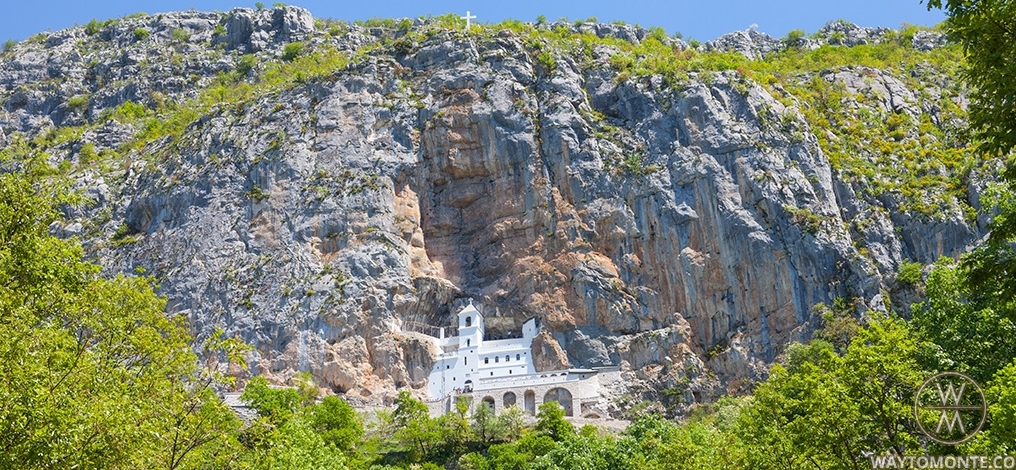

Ostrog Monastery, perched dramatically on the sheer cliffs of Ostroska Greda, is not just an architectural marvel; it is a pivotal pilgrimage site for Orthodox Christians worldwide. Located near the village of Bogetići, Montenegro, this monastery attracts over a hundred thousand pilgrims each year, drawn by the allure of its spiritual significance and the breathtaking landscape that surrounds it.
### History and Origins Founded in the 17th century by Saint Basil of Ostrog, a revered Serbian Orthodox bishop, the monastery has a rich history steeped in spirituality and resilience. Saint Basil, known for his piety and dedication to the Christian faith, established the monastery in 1665 as a place of worship and healing. His life and work were marked by an unwavering commitment to the Orthodox Church, and he became a symbol of faith for many.
The monastery has withstood numerous historical challenges, including wars and natural disasters, yet it has remained a beacon of hope for the faithful. In the aftermath of the Ottoman Empire's expansion into the region, Ostrog Monastery served as a refuge for those persecuted for their beliefs, solidifying its importance in Montenegrin culture.
### Art and Architecture The architectural style of Ostrog Monastery is a unique blend of Baroque and Byzantine influences, harmonizing with the rugged cliffside it occupies. The Upper Church, carved from the rock itself, is dedicated to the Holy Cross and is adorned with stunning frescoes created in 1665. These vibrant wall paintings depict various saints and biblical scenes, showcasing the artistic prowess of the time.
The Lower Church, constructed in the 18th century, is dedicated to the Presentation of the Virgin Mary. It houses the reliquary containing the body of Saint Basil, which is believed to have miraculous healing properties. Pilgrims come from afar to seek solace and divine intervention, often leaving with stories of unexpected recoveries and spiritual awakenings.
### Local Culture and Traditions Ostrog Monastery is deeply intertwined with the local culture and traditions of Montenegro. Each year, during the feast day of Saint Basil on April 29th, thousands gather to celebrate with religious ceremonies, prayers, and processions. This event fosters a profound sense of community, as both locals and visitors engage in shared rituals and traditions.
The atmosphere during this time is electric, filled with the sounds of chanting and the scent of incense. Visitors may also encounter local customs such as the preparation of traditional dishes, which are often shared among pilgrims, reinforcing the bonds of faith and fellowship.
### Gastronomy The culinary landscape surrounding Bogetići is reflective of its rich history. Local dishes often feature hearty ingredients like lamb, potatoes, and dairy products. One must-try dish is sarma, cabbage rolls stuffed with minced meat and rice, typically served with a side of creamy kajmak.
In addition, the region is known for its homemade rakija, a potent fruit brandy that plays a significant role in Montenegrin hospitality. Sharing a glass of rakija is customary among pilgrims and locals alike, symbolizing warmth and friendship.
### Lesser-known Curiosities While many visit Ostrog Monastery for its spiritual significance, there are intriguing stories that often go untold. For instance, the legend of the miraculous icon of the Virgin Mary, believed to have appeared in a cave at the site, is a fascinating aspect of its lore. Pilgrims often recount tales of personal miracles attributed to their prayers in the presence of this icon, lending a deeper layer of mystique to the site.
Another lesser-known fact is the hidden caves in the vicinity, which are explored by adventurous visitors seeking solitude and reflection. These natural formations offer a unique opportunity for contemplation amid the stunning Montenegrin landscape.
### Practical Visitor Information The best time to visit Ostrog Monastery is during the spring and early autumn months, from April to October, when the weather is mild, and the surrounding nature is in full bloom. Visitors should plan for a hike up to the monastery, as the path can be steep and winding. Comfortable shoes and plenty of water are recommended.
Upon arrival, be sure to take a moment to absorb the breathtaking views of the Zeta Valley from the monastery. Look for the intricate frescoes and the serene atmosphere within both churches, and take part in the prayers if you feel inclined.
For those seeking a more personalized experience, consider utilizing the Secret World app to create an itinerary tailored to your interests while visiting Bogetići.
In conclusion, Ostrog Monastery stands as a testament to faith, artistry, and the enduring spirit of the Montenegrin people.
