
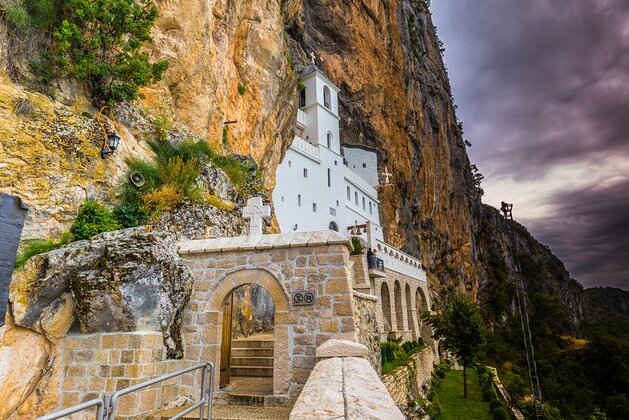

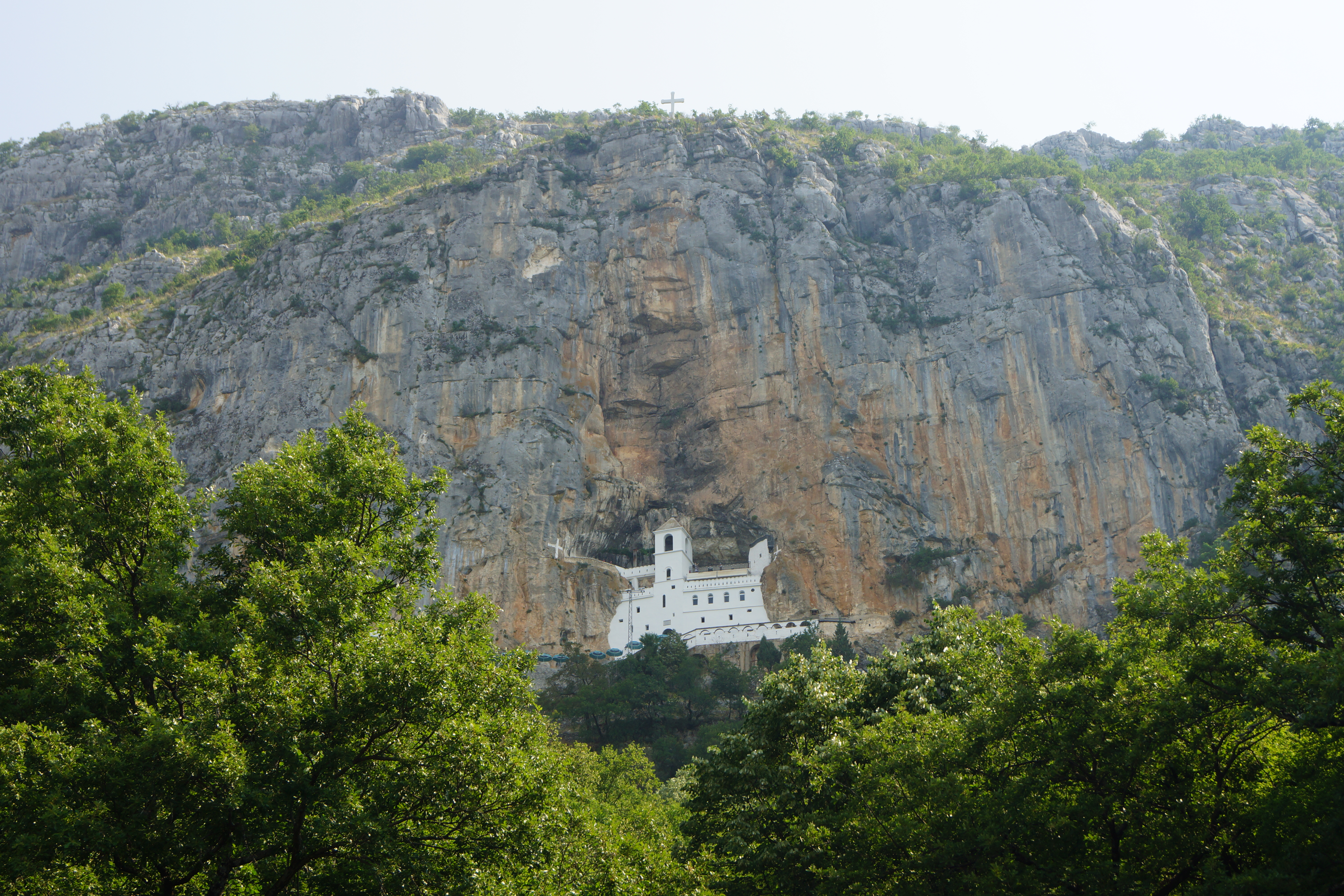
Perched dramatically on a sheer cliff face, the Monastery of Ostrog is not merely a place of worship; it is a sanctuary of hope and healing. Nestled in the heart of Montenegro, this Serbian Orthodox monastery dedicated to Saint Basil of Ostrog has become the most significant pilgrimage site in the country since its founding in the 17th century. Its origins can be traced back to 1665, when the monk Basil established the monastery in a cave, seeking solitude and divine inspiration away from the tumult of the world.
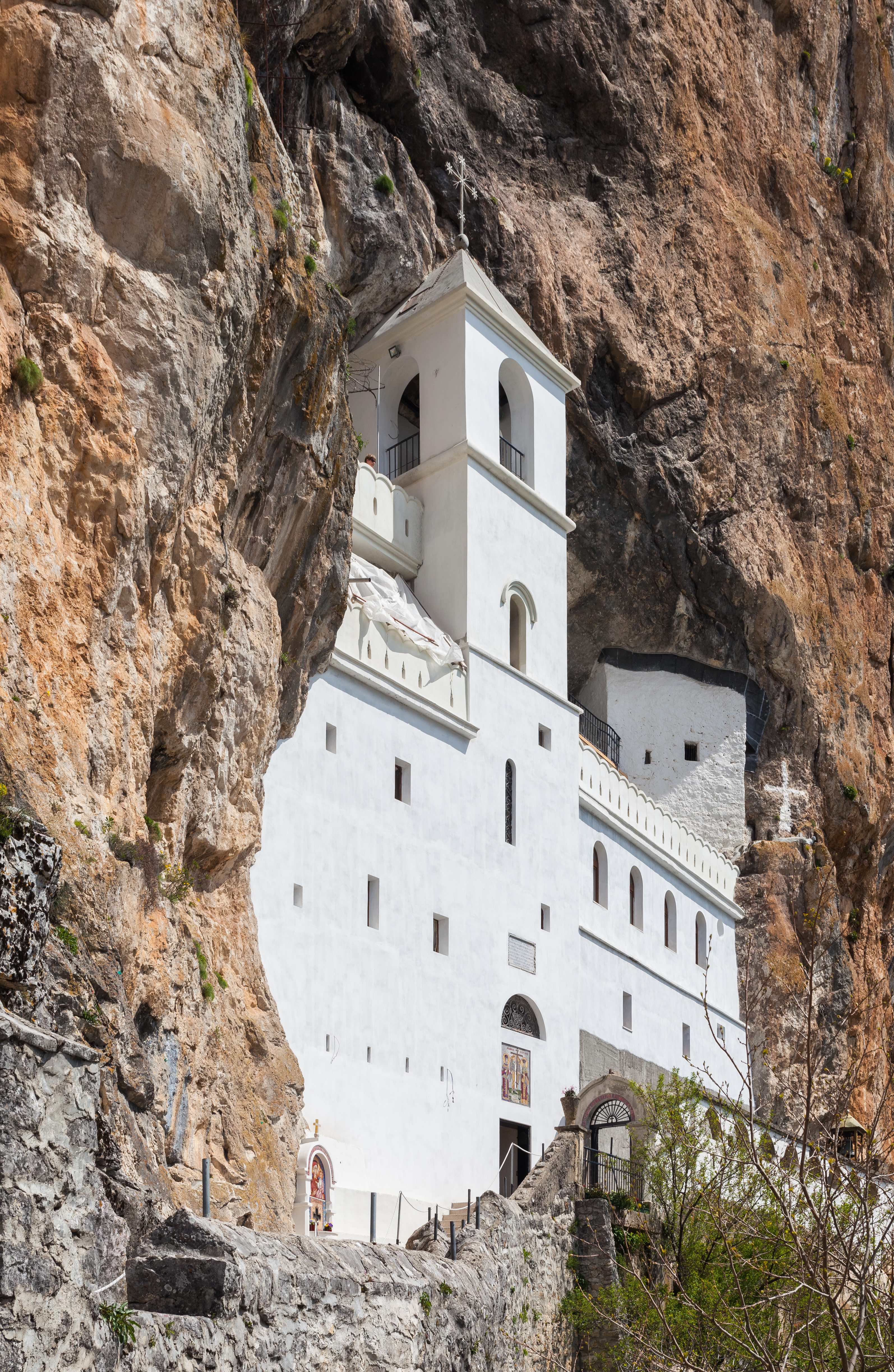
The monastery's dramatic history includes a devastating fire in the early 20th century, which ravaged much of the original structure. However, between 1923 and 1926, the monastery was meticulously restored, taking on the striking appearance that visitors admire today. The design blends seamlessly with the surrounding landscape, as if it were carved out of the rock itself. The upper monastery, which appears to cling to the mountain, is an architectural marvel, showcasing the Baroque style. Inside, the churches are adorned with exquisite frescoes and icons, including a stunning iconostasis crafted by local artisans, showcasing the craftsmanship and spiritual dedication of the region.
Beyond its architectural beauty, the Monastery of Ostrog serves as a cultural beacon. Each year, thousands of pilgrims and tourists flock to this sacred site, particularly during the Feast of Saint Basil, celebrated on May 29 according to the Julian calendar. This festival attracts not only the faithful but also those curious about the traditions that breathe life into this ancient place. Visitors often witness the rituals carried out by the monks, including prayer services and processions that honor the legacy of Saint Basil, who is believed to perform miracles through his intercession.
The local culture surrounding the monastery is deeply intertwined with Orthodox Christianity. Customs vary from region to region, but many visitors partake in the tradition of lighting candles and leaving offerings at the shrine, believed to bring blessings and healing. The deeper you delve into the surrounding villages, the more you will discover local folklore, where tales of divine intervention abound. Many believe that prayers offered here can lead to miraculous cures for ailments deemed incurable, adding to the spiritual allure of the site.
When exploring Montenegro, one cannot overlook its rich culinary heritage, which complements a visit to the monastery. The region is known for its hearty dishes, like kačamak (a creamy polenta-like dish), which is often served with cheese and sour cream. Njeguški pršut, a type of smoked ham, paired with local cheeses and olives, can often be found at nearby eateries, providing a taste of the authentic flavors of Montenegro. Don't miss out on sampling rakija, a potent fruit brandy, traditionally made from plums or grapes, which is often offered as a gesture of hospitality.
While many visitors are drawn to the monastery's stunning vistas and spiritual significance, there are lesser-known curiosities that are often overlooked. For instance, did you know that the Monastery of Ostrog is home to the relics of Saint Basil, which are housed in a glass sarcophagus? This relic draws many pilgrims who seek a tangible connection to the saint. Additionally, the monastery is known for its unique underground chapel, which features an ancient stone altar that dates back to the initial founding of the site.
For those planning a visit, the best time to explore the Monastery of Ostrog is in late spring or early autumn when the weather is mild, and the crowds are less daunting. Be prepared for a bit of a hike to reach the upper monastery, as the path winds its way up the mountain, offering breathtaking views of the Bjelopavlići plain below. It’s advisable to wear comfortable shoes and bring water, especially during the warmer months. As you wander through the sacred grounds, take time to absorb the serene atmosphere and reflect in the quiet nooks and crannies that the monastery offers.
In conclusion, a visit to the Monastery of Ostrog is not just a journey to a beautiful religious site; it is an immersion into the spiritual, cultural, and culinary tapestry of Montenegro. With its rich history, stunning architecture, and profound significance, it offers an experience that resonates with both the body and soul.
For a personalized itinerary that captures the essence of this sacred site and beyond, consider using the Secret World app.


