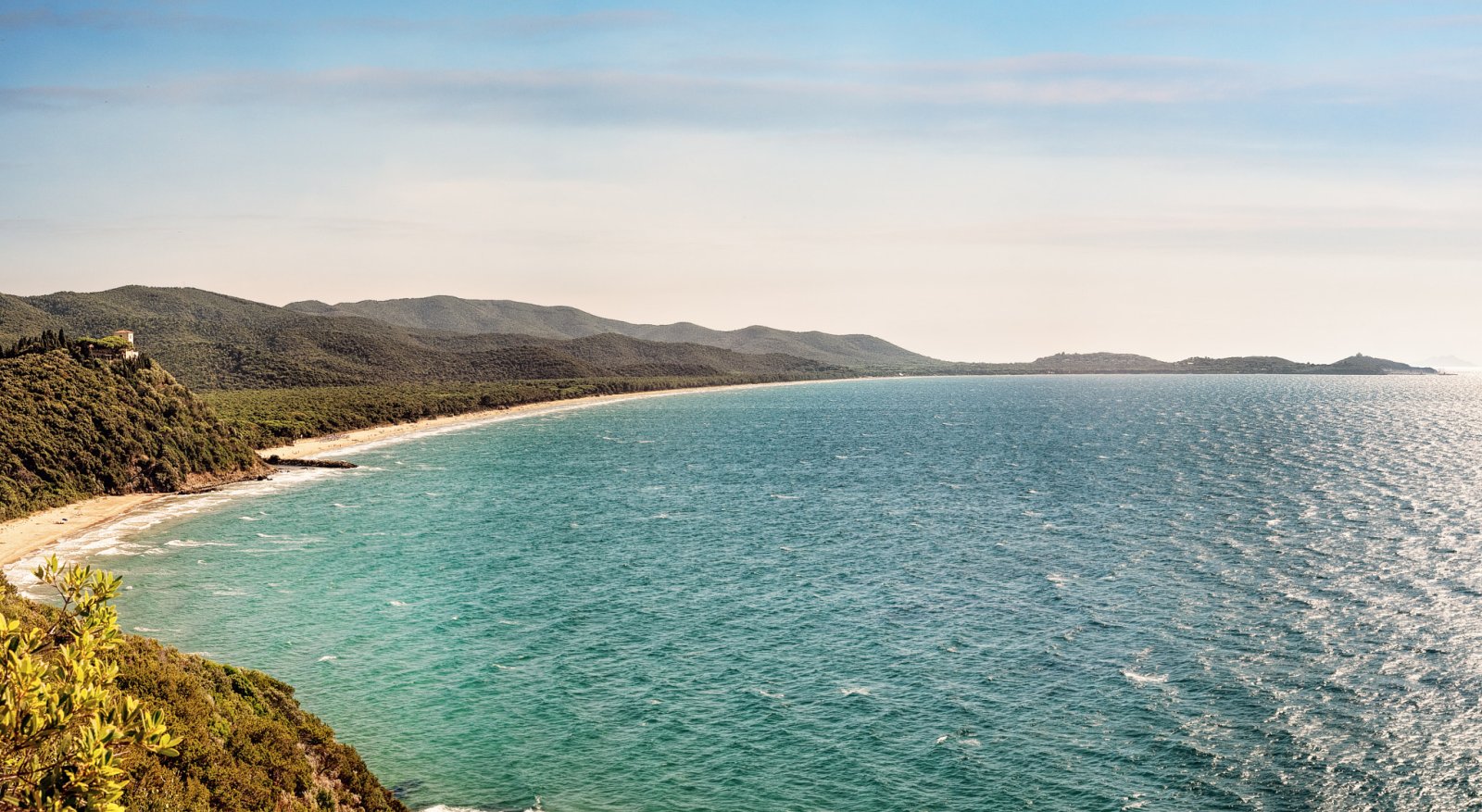

Nestled along the stunning coastline of Tuscany, Owl Cove, or Cala Civette, is a hidden gem that offers a unique blend of natural beauty and rich history. With its pristine beaches and lush surroundings, this secluded bay stands in stark contrast to the bustling tourist hotspots of Follonica and Castiglione della Pescaia.
### History and Origins
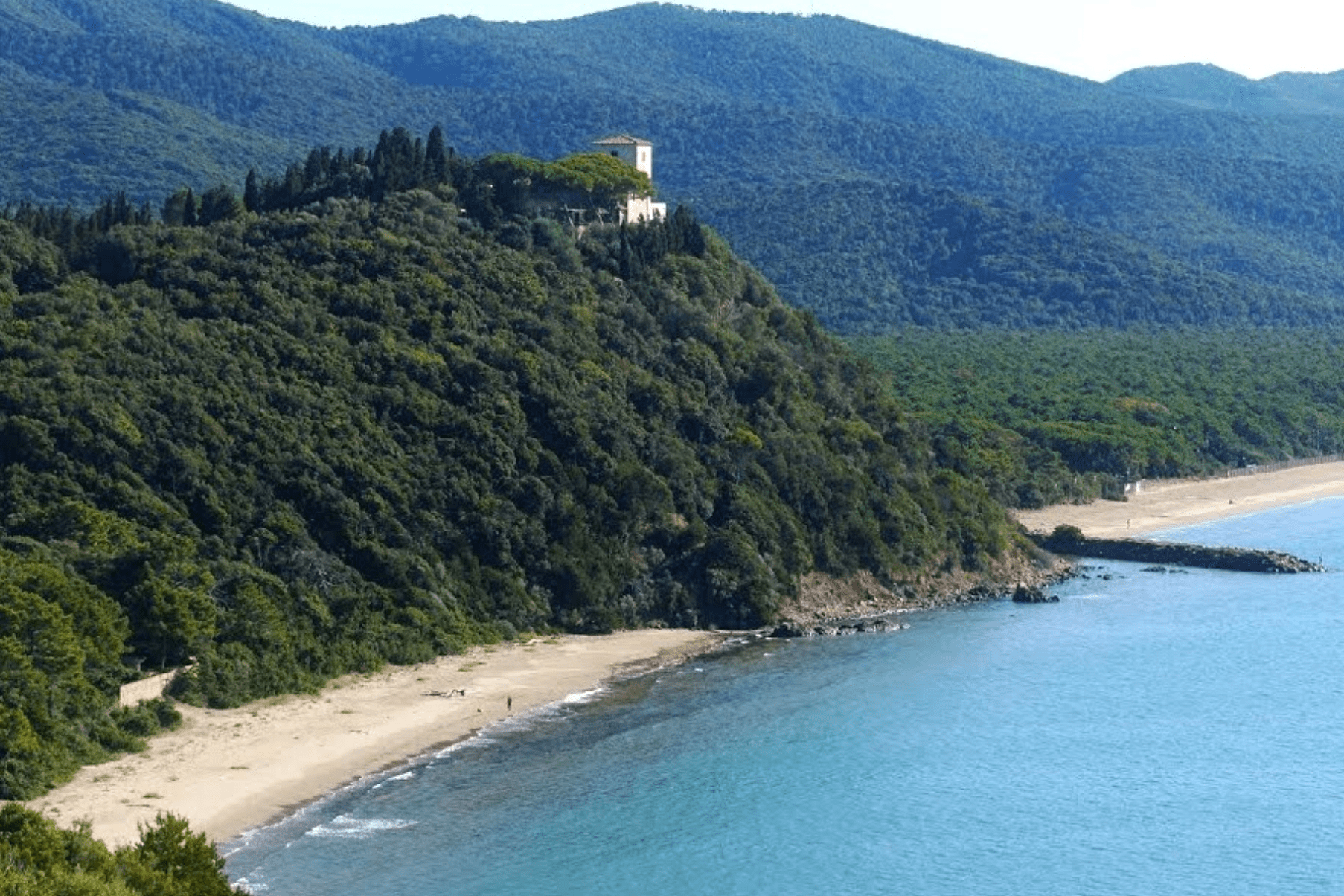
Cala Civette owes its name to the Torre Civette, a sixteenth-century watchtower that looms majestically from the promontory above. Built during the time of the Spanish Empire as a defense against pirate raids, the tower reflects the era's architectural style, characterized by sturdy stone construction and strategic positioning. The watchtower is not merely a relic; it represents the historical importance of this coastline in safeguarding the coastal communities.
The surrounding area has been inhabited since ancient times. Archaeological finds suggest that the Etruscans recognized the beauty and strategic importance of this region long before the watchtower was erected. The lush landscapes and abundant marine life made it a prime location for settlements, trade, and eventually, tourism.
### Art and Architecture
The architectural significance of the Torre Civette is profound. This watchtower, along with others that dot the Tuscan coastline, was part of an extensive network of fortifications. The tower's design incorporates elements typical of Renaissance military architecture, with thick walls and narrow windows intended for defensive purposes.
While the watchtower stands as the most notable structure in the area, the natural artistry of the Mediterranean landscape is equally captivating. The golden sandy beach is framed by a dense private pine forest, creating a striking backdrop that has inspired countless artists and photographers.
### Local Culture and Traditions
The culture surrounding Cala Civette is rooted in the traditions of coastal life. Locals often participate in various festivals that celebrate the sea, agriculture, and the rich history of the region. One such event is the Sagra del Pesce, held annually in nearby villages, where residents showcase their fishing heritage through culinary delights made from the freshest catch.
Cultural customs are also evident in the local craftsmanship. Artisans in the region create beautiful handmade goods, from pottery to textiles, often inspired by the stunning natural environment. Visitors can find unique souvenirs that reflect the region's cultural heritage.
### Gastronomy
The gastronomy of Owl Cove is a true reflection of its coastal location. The cuisine here emphasizes fresh, local ingredients, with seafood taking center stage. Spaghetti alle Vongole (spaghetti with clams) and Cacciucco, a hearty fish stew, are must-try dishes that embody the flavors of the sea.
Additionally, the surrounding agricultural regions produce excellent wines, particularly Vermentino, a white wine that pairs perfectly with the local seafood. Visitors can also enjoy local olive oil, known for its rich flavor, which has been a staple of Tuscan cuisine for centuries.
### Lesser-Known Curiosities
Despite its natural beauty, some of the most intriguing aspects of Cala Civette are often overlooked. For instance, the area is home to a variety of biodiversity, including rare plant species and marine life that can be observed while snorkeling.
Moreover, the pathways connecting Cala Civette to nearby beaches like Cala Violina and Cala Martina are a treasure trove for hikers and mountain bikers. These trails offer not only stunning views of the coastline but also glimpses into the local flora and fauna that thrive in this protected environment.
One lesser-known fact is that the Torre Civette is reputed to have been a lookout point for ancient mariners, who sought refuge in the cove during storms. The stories of these sailors add a layer of mystique to the area, inviting visitors to imagine the past as they lounge on the beach.
### Practical Visitor Information
The best time to visit Owl Cove is during the spring and early autumn months, specifically from April to June and September to October. During these times, the weather is pleasantly warm, and the crowds are minimal, allowing for a more tranquil experience.
To reach Cala Civette, visitors must park in one of the designated pay car parks in Val Martina, Pian d'Alma-Torre Civette, or Puntone di Scarlino. From there, a scenic walk leads to the beach, making the journey an adventure in itself.
When visiting, be sure to explore the surrounding trails that connect to other picturesque beaches. Look for signs of local wildlife, and don’t forget your camera to capture the stunning vistas.
For a truly personalized experience, consider using the Secret World app to plan your itinerary, ensuring you discover all the hidden gems of this enchanting destination.