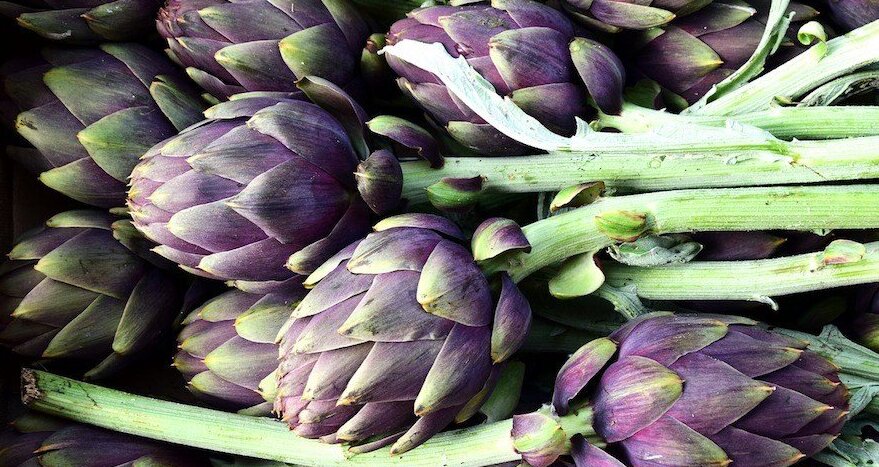
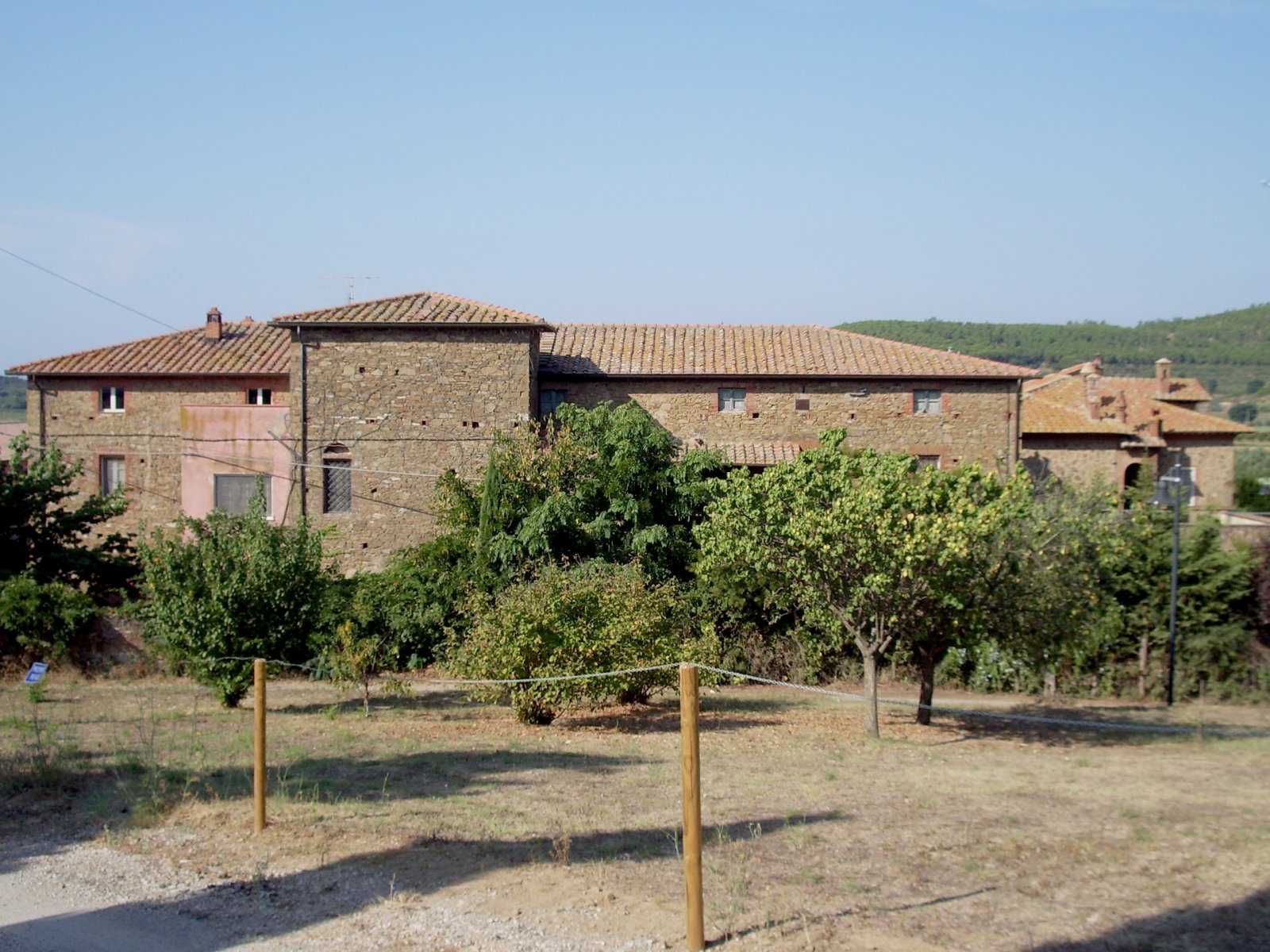

Nestled in the picturesque landscape of Pian di Rocca, Italy, the artichoke is not just a culinary delight; it’s a symbol of the region’s rich agricultural history and cultural heritage. This small but vibrant vegetable, with its intense green hue tinged with purple, has captivated the palates of locals and visitors alike.
### History and Origins The origins of the Pian di Rocca artichoke can be traced back centuries, intertwined with the agricultural practices of the region. Known for its resilience to cold, this variety has thrived in the volcanic soils of Tuscany, where the climate and topography create ideal conditions for its growth. Historically, the artichoke was cultivated by ancient Romans, who valued it not only for its taste but also for its medicinal properties. Over the years, this humble plant has evolved, but its connection to the land remains strong, with local families passing down cultivation techniques through generations.
### Art and Architecture While Pian di Rocca is primarily celebrated for its agricultural contributions, the region also showcases charming Tuscany architecture. The village itself features quaint stone houses and rustic farm buildings that echo the area’s agrarian past. Notable architectural styles include Medieval and Renaissance influences, evident in the nearby towns. Visitors can explore small chapels and ancient farmsteads that tell the story of the local community’s deep-rooted connection to the land, often highlighted during local festivals.
### Local Culture and Traditions The culture of Pian di Rocca is vibrant, with the artichoke playing a central role in local traditions. Each spring, the village hosts the Artichoke Festival, a celebration that attracts food lovers from around the region. During the festival, visitors can indulge in various dishes featuring the artichoke, participate in cooking demonstrations, and enjoy folk music and dance performances. This event is not just about food; it’s a gathering that fosters community spirit and preserves the traditions of the area.
### Gastronomy Culinary enthusiasts will find the Pian di Rocca artichoke particularly appealing due to its unique flavor profile. With a bitterish taste and tender texture, it’s often prepared in oil, making it a perfect ingredient for local antipasti platters. Traditional dishes include artichoke risotto and stuffed artichokes, where the small size of the vegetable allows for creative presentations. Local wines, particularly Vermentino and Chianti, pair beautifully with these dishes, enhancing the dining experience.
### Lesser-Known Curiosities While many tourists flock to the well-known attractions of Tuscany, Pian di Rocca offers hidden gems that often go unnoticed. One such curiosity is the artichoke propagation method, where suckers, known as carducci, are carefully selected from the best plants. This meticulous process not only ensures high-quality crops but also highlights the region’s commitment to sustainable farming practices. Additionally, local legends speak of a mythical connection between the villagers and the artichoke, believed to bring prosperity and good fortune to those who cultivate it.
### Practical Visitor Information The best time to visit Pian di Rocca is during the spring months when the artichokes are in full bloom and the festival is taking place. Visitors should consider renting a bicycle to explore the stunning countryside, dotted with vineyards and olive groves. Don’t miss the chance to engage with local farmers, who are often eager to share their knowledge and passion for this unique crop. For a deeper understanding of the region’s culinary arts, consider joining a cooking class that focuses on traditional recipes featuring the artichoke.
In conclusion, Pian di Rocca is more than just a destination; it’s a celebration of agricultural heritage, community, and gastronomic excellence. To truly experience the charm of this hidden gem, consider using the Secret World app to craft a personalized itinerary that highlights the artichoke and other local treasures.
