
← Back

Palace of Stathatos

Irodotou 1, Athina 106 74, Grecia ★★★★☆ 155 views
Mell Soros
Athina
🏆 AI Trip Planner 2026

Get the free app

Discover the best of Athina with Secret World — the AI trip planner with 1M+ destinations. Get personalized itineraries, hidden gems and local tips. Free on iOS & Android.

🧠 AI Itineraries 🎒 Trip Toolkit 🎮 KnowWhere Game 🎧 Audio Guides 📹 Videos
Scan to download iOS / Android
Scan for AppGallery Huawei users

About Palace of Stathatos

Palace of Stathatos - Athina | Secret World Trip Planner

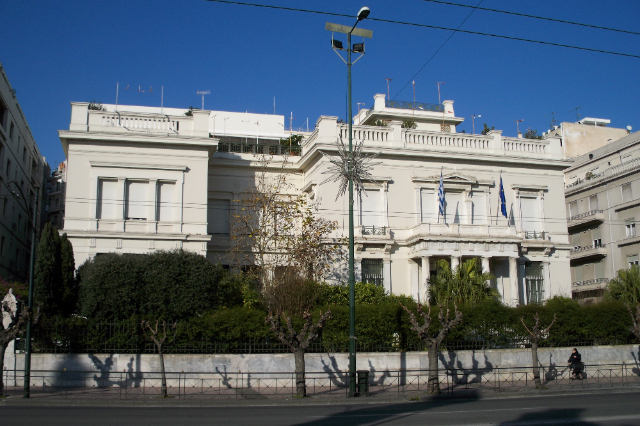
The Stathatos Palace is a neoclassical building located in the Plaka district of central Athens. It was built in 1895, designed by Greek architect Ioannis Kollas, for the Stathatos family, one of the most prominent in the city.The building has an elegant and understated facade, characterized by a series of white marble Ionic columns, giving the palace an imposing majesty. Inside the palace are numerous halls and rooms, which were used by the Stathatos family as a private residence.After the death of the owners, the palace was sold to the Greek state and used for various purposes. During World War II, the palace was used as headquarters by the German army, and later it was home to various public institutions. In 1983 the palace was acquired by the Foundation for Greek Culture and Language, which oversaw its restoration and used it as a venue for exhibitions and cultural events.Today, the Stathatos Palace houses a collection of art objects and period furniture, which testify to the artistic taste of the Stathatos family and Greek culture of the time. The palace also hosts temporary exhibitions, concerts, and cultural events, making it one of the most lively and interesting places in Athens.A visit to the Stathatos Palace is a unique experience to discover the history and culture of Athens, and to admire one of the finest examples of neoclassical architecture in the city. The building, with its elegance and rich decoration, is a symbol of the importance of the Stathatos family in Greek history and culture, and offers valuable evidence of the art and daily life of the time.

🗺 AI Trip Planner

Plan your visit to Athina

Suggested itinerary near Palace of Stathatos

MAJ+
500.000+ travelers worldwide
  1. 🌅
    Morning
    Palace of Stathatos
    📍 Athina
  2. ☀️
    Afternoon
    Mouseío Kykladikís Téchnis (Museum of Cycladic Art)
    📍 0 km · Athina
  3. 🌆
    Evening
    Byzantine and Christian Museum in Athina
    📍 0.2 km · Athina

Buy Unique Travel Experiences

Powered by Viator

See more on Viator.com

Explore nearby · Athina

Frequently Asked Questions

The Stathatos Palace was built in 1895 and designed by renowned Greek architect Ioannis Kollas for the prominent Stathatos family. The neoclassical building was originally constructed as a private residence and stands as a testament to the family's importance in Athenian society.
The palace features an elegant neoclassical facade characterized by white marble Ionic columns that give it imposing majesty and understated sophistication. These architectural elements are among the finest examples of neoclassical design in Athens and reflect the artistic taste of the era.
The palace currently houses an impressive collection of art objects and period furniture that showcase the artistic taste of the Stathatos family and Greek culture of the time. Visitors can also experience temporary exhibitions, concerts, and various cultural events held throughout the year.
After the owners' death, the palace was sold to the Greek state and served multiple purposes, including as German army headquarters during World War II and later as home to various public institutions. In 1983, the Foundation for Greek Culture and Language acquired the palace, overseeing its restoration and transforming it into a vibrant cultural venue.
The Stathatos Palace is located in the Plaka district of central Athens, making it easily accessible to visitors exploring the historic heart of the city. Its central location in one of Athens' most charming neighborhoods makes it an ideal stop for those interested in neoclassical architecture and Greek cultural heritage.
