
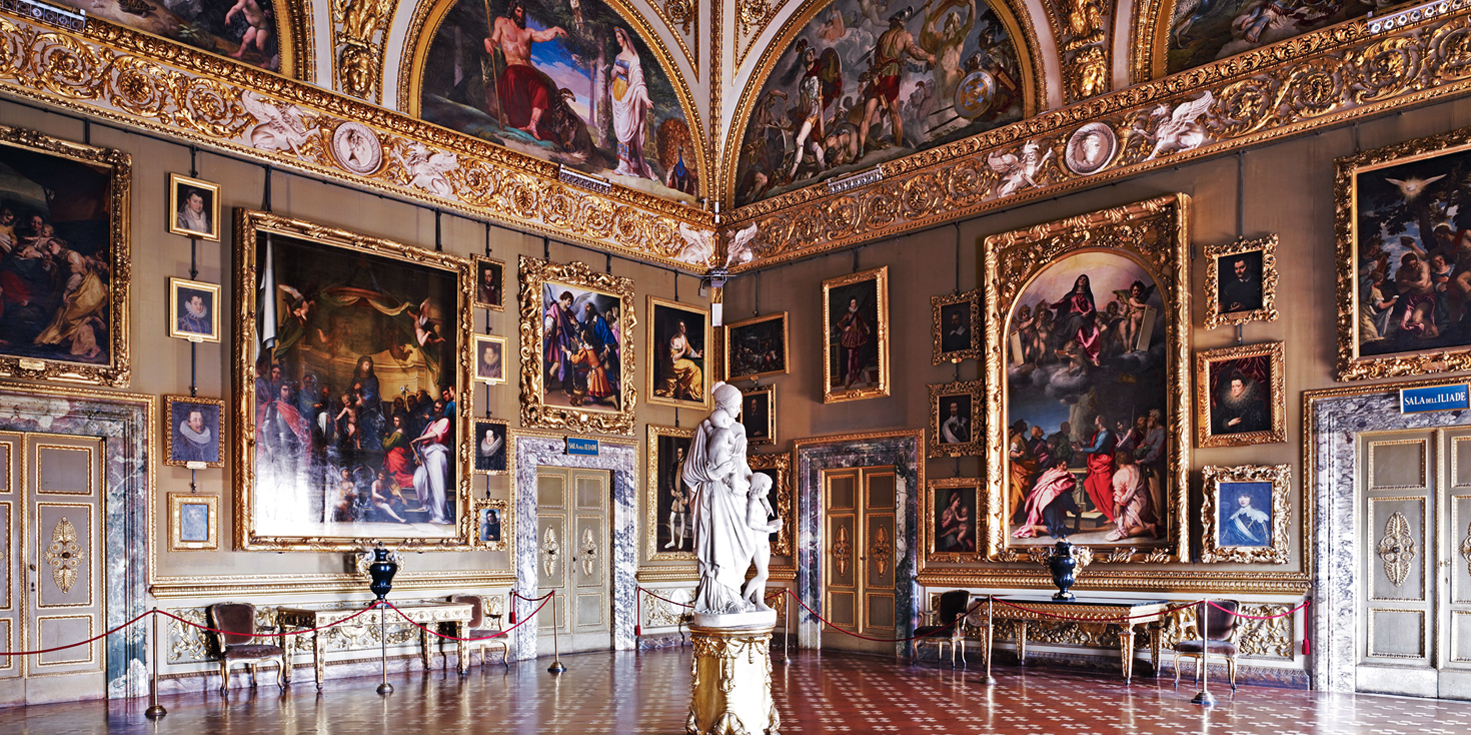

Nestled within the majestic Palazzo Pitti, the Palatine Gallery in Florence, Italy, is a treasure trove of artistic brilliance and historical significance. This museum, steeped in the opulence of the Medici family, offers visitors a glimpse into the artistic prowess of the 16th and 17th centuries.
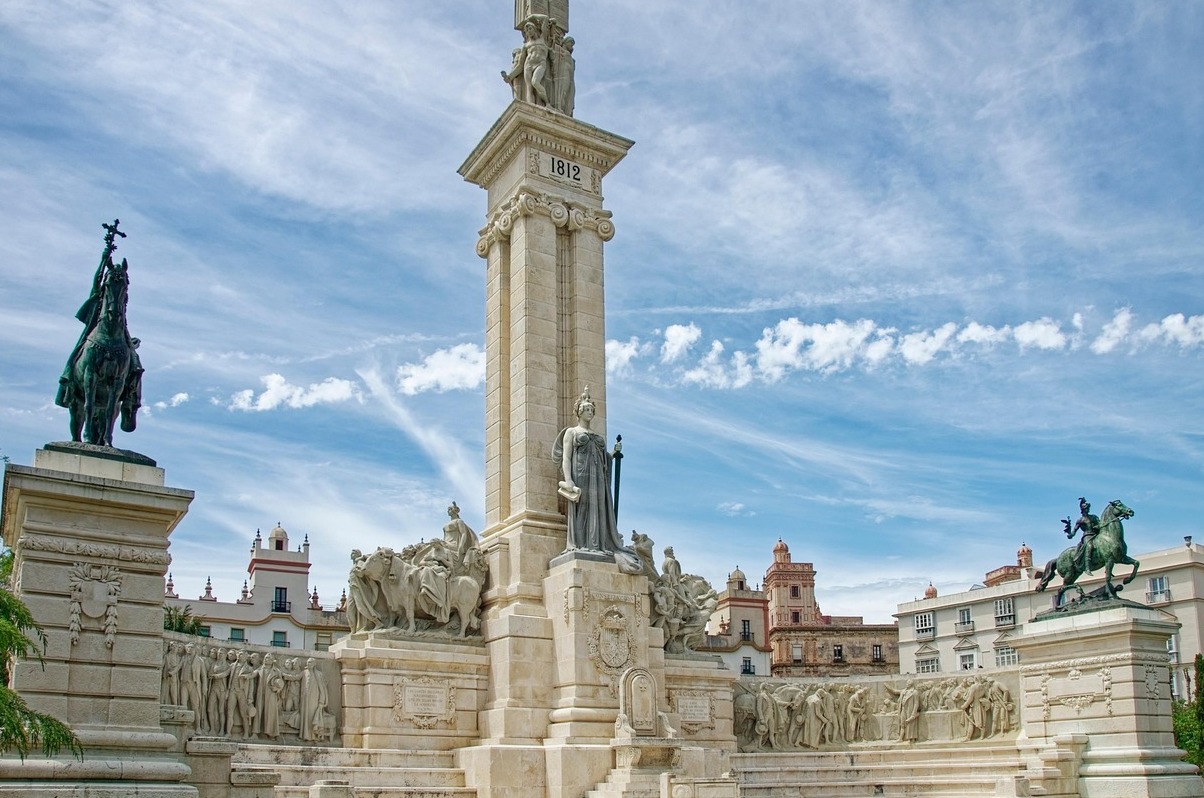
The gallery's origins trace back to the late 18th century when Grand Duke Leopold II of Tuscany made the pivotal decision to relocate part of the vast Medici collection from the renowned Uffizi Gallery. This move was a response to the increasing need for space and a desire to showcase the artworks in a more intimate and aesthetically pleasing environment. The Palatine Gallery was officially opened to the public in 1833, setting a new standard for art display that emphasized decorative aesthetics over mere scientific categorization.
The architecture of the Palatine Gallery itself is a work of art. The rooms are adorned with intricate stucco decorations, reflecting the grandeur of the seventeenth-century picture galleries that inspired its design. Each painting is framed with opulent decorations, creating a visually harmonious experience that transports visitors to a bygone era. The interior is a testament to the Baroque style, characterized by its dramatic use of space and ornate detailing.
Inside the gallery, art enthusiasts will find masterpieces by luminaries such as Pontormo, Filippo Lippi, and Raffaello. Among the highlights are Raffaello’s Madonna della Seggiola and La Velata, which exude an ethereal beauty that captivates viewers. Tiziano's Maddalena Penitente showcases the artist's masterful use of color and form, while Caravaggio’s works introduce a stark realism that contrasts with the ethereal qualities of his predecessors. Not to be overlooked are the dramatic canvases of Rubens and Van Dyck, which add a vibrant dynamism to the collection.
Florence is a city rich in culture and traditions, and the Palatine Gallery is no exception. It serves as a cultural hub where locals and visitors alike engage with the artistic heritage of the city. Festivals such as Scoppio del Carro (the explosion of the cart) and Calcio Storico (historic football) reflect the Florentine spirit, celebrating its historical legacy and community bonds. The gallery often hosts special exhibitions and events that resonate with these local customs, allowing visitors to immerse themselves in the vibrant culture of Florence.
No visit to Florence would be complete without indulging in its gastronomic delights. Local specialties such as Bistecca alla Fiorentina, a thick T-bone steak seasoned simply with salt and grilled to perfection, are a must-try. Pair this with a glass of Chianti, a robust red wine that complements the rich flavors of Tuscan cuisine. For those with a sweet tooth, the famous Cantucci, almond biscuits typically served with a glass of Vin Santo, offer a delightful finish to any meal.
As you wander through the Palatine Gallery, keep an eye out for lesser-known curiosities that add depth to your visit. One fascinating detail is the gallery's collection of self-portraits, showcasing not just the talents of renowned artists but also the evolution of their craft. Additionally, hidden within the decorative elements of the gallery are several intricately designed frescoes that narrate the story of the Medici family's influence over Florence. These elements may easily go unnoticed, yet they provide a richer understanding of the context in which these artworks were created.
The best time to visit the Palatine Gallery is during the off-peak seasons of spring and fall, when the crowds are thinner, allowing for a more intimate experience with the art. Be sure to allocate ample time to explore the expansive collection and take in the ambiance of the beautifully decorated rooms. A guided tour can enhance your understanding of the artworks and the history surrounding them, giving you insights that you might miss on a self-guided visit.
For a truly immersive experience in Florence, consider planning ahead. Use the Secret World app to create a personalized itinerary that highlights the Palatine Gallery and other hidden gems in this enchanting city.


