
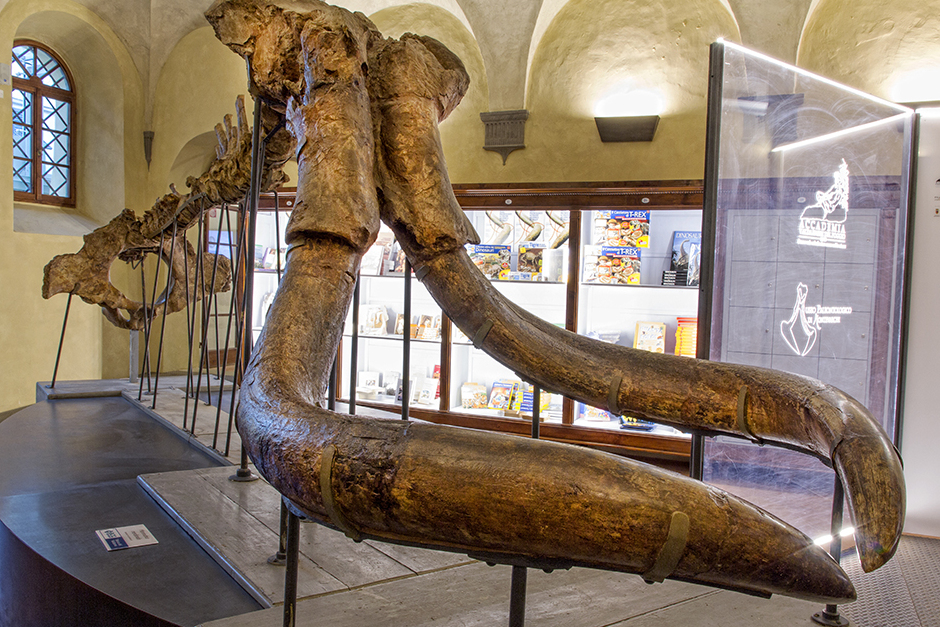

Nestled in the quaint town of Montevarchi, the Paleontological Museum serves as a captivating portal into the ancient world. Founded in 1819 by the Accademia Valdarnese del Poggio, this museum boasts a remarkable collection of around 3,000 artifacts, primarily sourced from the Upper Valdarno region, dating back to the Upper Pliocene and Lower Pleistocene epochs. Each fossil tells a story of a time when colossal creatures roamed the Earth, and the museum is a testament to the rich paleontological heritage of Tuscany.
The history of the Paleontological Museum of Montevarchi is deeply intertwined with the scientific endeavors of the 19th century. The Accademia Valdarnese del Poggio, founded during a period of significant scientific interest, aimed to promote the study of natural sciences. Over the years, the museum has evolved, expanding its collections and continuing to educate visitors about prehistoric life. Notable key events include the discovery of significant fossil finds in the region, which have enriched the museum's exhibits and attracted researchers from around the world.
Architecturally, the museum is a blend of historical and modern design. The building itself carries the charm of Tuscan architecture, featuring terracotta tiles and sturdy stone walls that echo the region's rich history. Inside, the layout is thoughtfully designed, leading visitors through a chronological journey of paleontological discoveries. Notable displays include the imposing skeleton of Elephas meridionalis, a giant elephant-like creature that once roamed these lands, and the striking skull of Machairodus meganteron, known colloquially as the


