
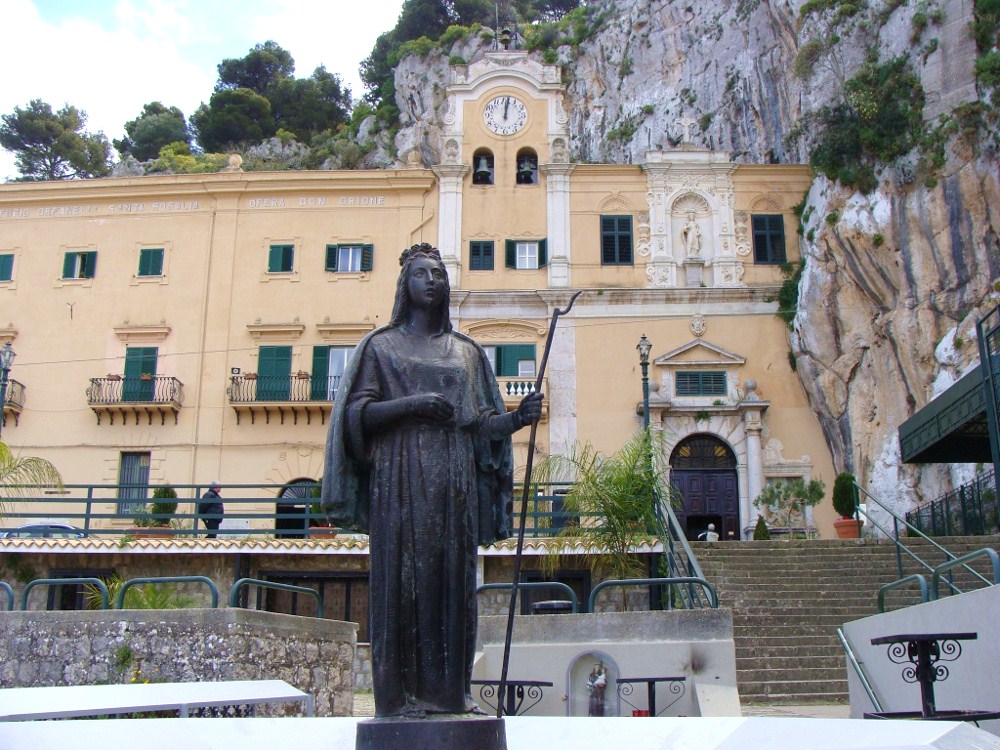

Nestled in the rugged embrace of Mount Pellegrino, the Sanctuary of Santa Rosalia is a beacon of faith and history for the city of Palermo. This sacred site, dedicated to the patron saint of the city, holds deep significance, not only for its architectural splendor but also for its rich tapestry of local culture and tradition.
History and Origins The roots of the Sanctuary of Santa Rosalia stretch back to the 12th century, when Rosalia, a noblewoman from Palermo, is believed to have retreated to these caves to live a hermetic life. According to legend, her bones were discovered in 1624 by a hunter named Michele de Spuches while he was tracking game. The discovery coincided with a devastating plague that had gripped the city, and the subsequent veneration of Rosalia is credited with the miraculous end of the epidemic. In gratitude, the citizens of Palermo erected the sanctuary, which has since evolved into a symbol of resilience and faith.
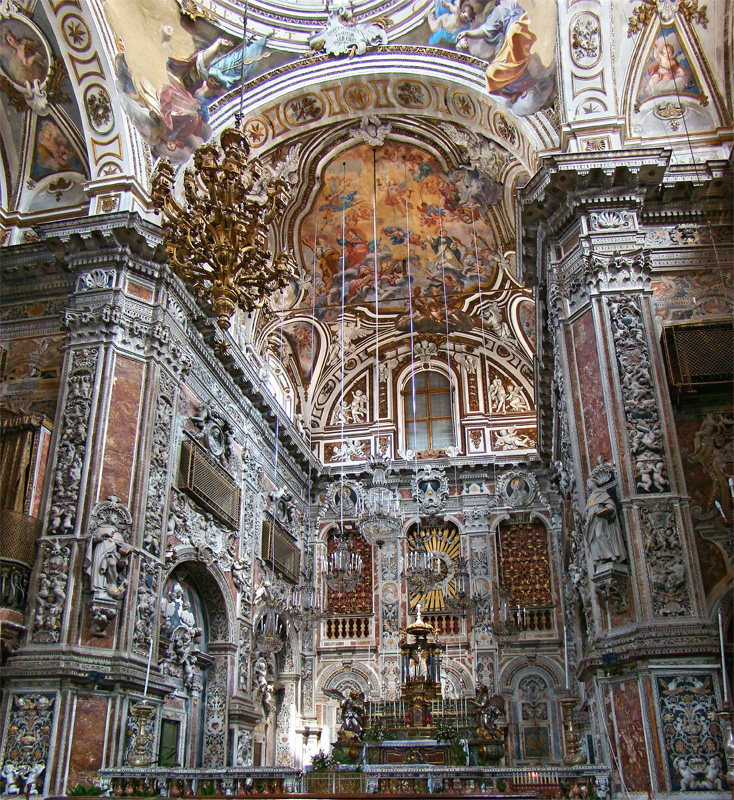
Art and Architecture The architecture of the sanctuary reflects the Baroque style that flourished in Sicily during the 17th century. The imposing straw-yellow facade of the sanctuary blends harmoniously with the natural rock formations of Mount Pellegrino. Visitors are greeted by an uncovered atrium that leads into the heart of the complex, a cave adorned with intricate baroque details. The sacred image of Santa Rosalia, sculpted by the renowned Florentine artist Gregorio Tedeschi, is sheltered under a lavish canopy, further enhancing the site’s spiritual atmosphere. The interplay of light and shadow within the cave creates an ethereal ambiance, captivating all who enter.
Local Culture and Traditions Santa Rosalia is more than just a religious figure; she embodies the spirit of Palermo. The annual feast day, celebrated on September 4, draws thousands of devotees from across Sicily. The festival features a vibrant procession through the streets of Palermo, with the statue of the saint carried on a grand float. Colorful fireworks, traditional music, and local food stalls enliven the atmosphere. During this time, the city is awash with the scent of arancini, cannoli, and sfincione, reflecting the culinary traditions that are deeply intertwined with the local culture.
Gastronomy The culinary delights of Palermo are as rich and diverse as its history. Traditional dishes such as panelle (chickpea fritters) and caponata (a sweet and sour eggplant dish) are must-tries for any visitor. The region is also famous for its fresh seafood, particularly sarde a beccafico, sardines stuffed with breadcrumbs, raisins, and pine nuts. To wash it down, indulge in a glass of Marsala wine, a fortified wine that has been produced in the region since the 18th century. Each bite tells a story, connecting the eater to the land and its people.
Lesser-known Curiosities Beyond its religious significance, the Sanctuary of Santa Rosalia is steeped in intriguing stories. One fascinating detail is the Cappella della Madonna, an adjacent chapel that houses a collection of ex-votos—offerings made by the faithful in thanks for miracles attributed to Rosalia. Furthermore, the sanctuary is said to have a unique echo; visitors often report that whispers within the cave can be heard several times over. This phenomenon adds to the sense of mystique surrounding the site, making it a point of interest for those who seek to delve deeper into the local lore.
Practical Visitor Information The best time to visit the Sanctuary of Santa Rosalia is during the spring or early autumn months, when the weather is pleasant for hiking up Mount Pellegrino. The sanctuary is easily accessible by public transport, and there are well-marked trails for those wishing to explore the mountain’s natural beauty. Be sure to wear comfortable shoes, as the ascent can be steep. Once at the sanctuary, take the time to appreciate the serene surroundings and the breathtaking views of the city below. Don’t forget your camera; the juxtaposition of nature and architecture makes for stunning photographs.
For an unforgettable experience, consider using the Secret World app to curate a personalized itinerary that highlights the best of Palermo's historical and culinary treasures.


