
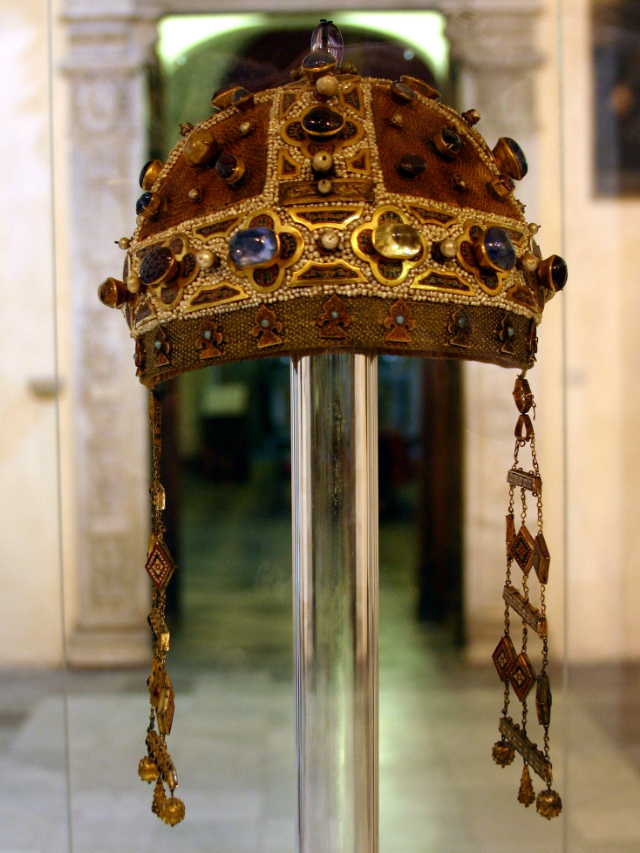

In the heart of Palermo, a city teeming with layers of history and cultural fusion, rests the crown of Constance of Aragon—a symbol of a bygone era when queens wielded power and influence over vast territories. Constance, an Aragonese princess, rose to prominence not only as the Queen consort of Germany and Sicily but also as the Holy Roman Empress. Her reign as regent of Sicily from 1212 to 1220 marked a significant period in the island's history, intertwining her legacy with the fabric of Palermo.

The story of the crown begins in the 13th century, a time when Sicily was a melting pot of cultures under the rule of the Hohenstaufen dynasty. Constance's marriage to Frederick II, the Holy Roman Emperor, positioned her in a unique place where political power and cultural influences converged. Her crown, a masterpiece of medieval jewelry, is not just an emblem of her status but also a testament to the artisanal prowess of the era. Crafted with intricate designs and precious stones, it reflects the Norman, Arab, and Byzantine influences that characterized Sicilian art and architecture.
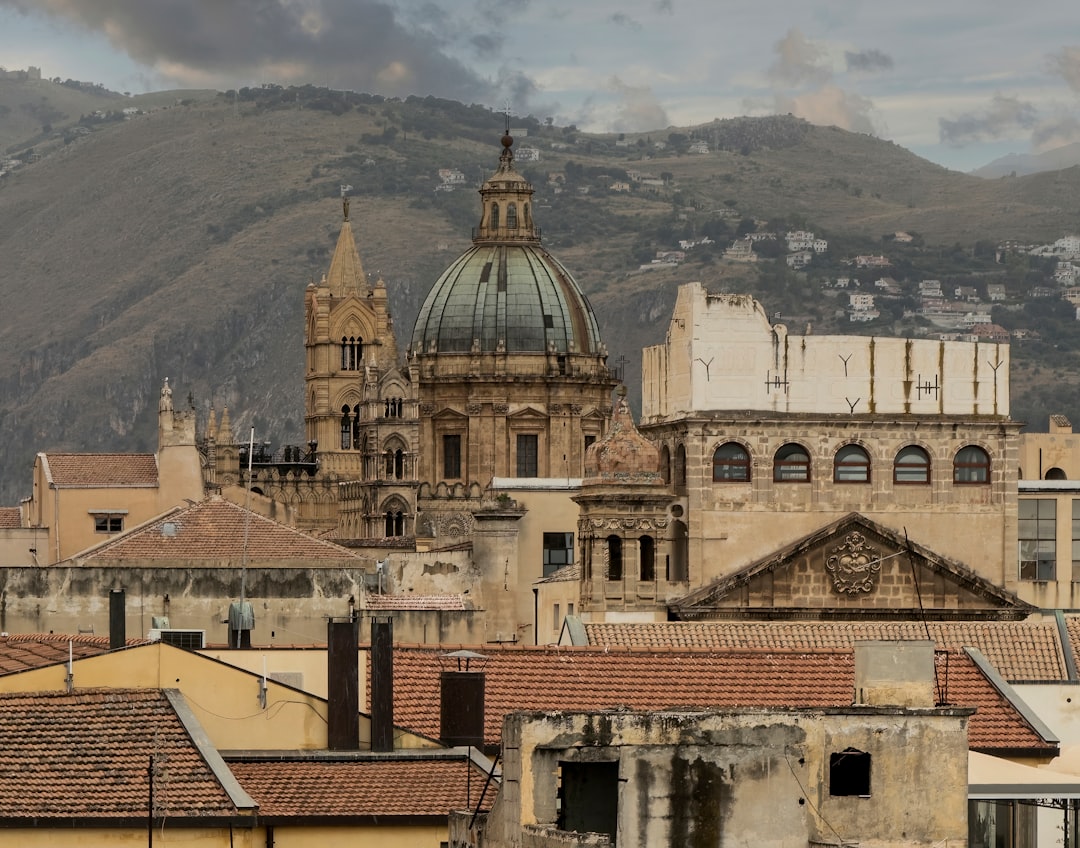
Palermo itself is a city where architecture tells the story of its diverse past. The Palatine Chapel, located within the Norman Palace, is an excellent representation of this cultural amalgamation. Its mosaics, combining Christian and Islamic artistic traditions, offer a glimpse into the world Constance inhabited. Nearby, the Cathedral of Palermo, with its composite architectural styles, stands as a testament to the city's evolution through various ruling powers, from the Normans to the Aragonese.
The local culture in Palermo is a vibrant tapestry woven from centuries of diverse influences. Festivals such as the Feast of Santa Rosalia, celebrated every July, showcase the city's deep-rooted traditions and religious fervor. This event, marked by processions and fireworks, honors the city's patron saint and reflects the communal spirit that has endured through the ages. The locals, known for their warmth and hospitality, continue to celebrate their storied past while embracing the present.
A visit to Palermo is incomplete without indulging in its rich gastronomy, which offers a taste of the island's complex history. Dishes such as arancini, caponata, and pasta alla Norma are beloved staples, each telling a story of cultural exchange and adaptation. Seafood, a mainstay of Sicilian cuisine, is best enjoyed fresh from the bustling markets like Mercato di Ballarò. The local wines, particularly those made from the indigenous Nero d'Avola grape, complement these flavors beautifully, offering a sensory journey through the island's terroir.
Yet, beneath the bustling streets and vibrant markets, Palermo harbors lesser-known curiosities that intrigue the discerning traveler. The Catacombs of the Capuchins provide a haunting glimpse into the city's past, where the mummified remains of Palermo's former residents reside in silent testimony to centuries gone by. Another hidden gem is the Oratory of San Lorenzo, adorned with stucco works by Giacomo Serpotta, whose delicate creations have miraculously endured the passage of time.
For those planning a visit, the best time to explore Palermo is during the spring or fall when the weather is mild and the city is less crowded. To fully appreciate the depth of Palermo's history, it is beneficial to engage a local guide who can unveil the stories behind its ancient walls and artifacts. As you wander through the city, take a moment to admire the details often overlooked—the carvings on a Norman arch, the vibrant tiles of an Arab-Norman building, or the quiet elegance of a medieval crown.
In Palermo, every corner holds a piece of history, every flavor tells a tale, and every artifact, like Constance of Aragon's crown, offers a window into a world where cultures collided, and history was made.


